
Notizia
Bunny Garden 2 Adds Twin-Tail Lolita Roro in New Update
Bunny Garden 2's new 10-second trailer shows a twin-tailed lolita character in a sweet-yet-cutting promo. With six heroi
















Explosive! After reading this industry news, my first reaction was just two words: refreshing clarity! Konrad Tomaszkiewicz, former director of The Witcher 3 and now head of Rebel Wolves, recently made his stance crystal clear in an interview: he does not want to turn Rebel Wolves into a second CD Projekt. That may sound modest, but it actually carries a lot of weight, because this isn’t just a nice-sounding line—it’s a direction he has chosen after going through some serious pitfalls. So next, let’s talk about whether this move deserves high marks.
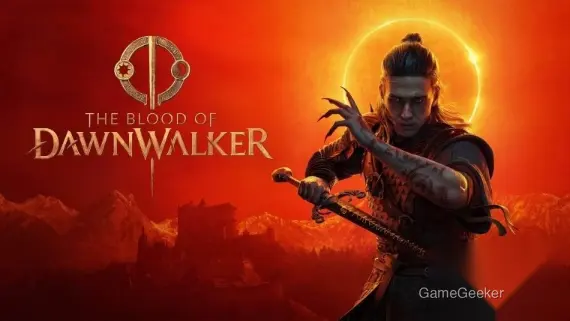
Let’s start with the core information. Rebel Wolves currently has a team of around 160 people. Konrad said he can still call everyone by name and still work side by side with them. Guys, that sentence is crucial. It shows that what he wants is not an ever-expanding industrial machine, but a studio where creators can still feel the pulse of the project. According to him, even 10 years from now, he hopes Rebel Wolves will still be a small studio. In an industry where companies are constantly trying to expand globally, that is honestly pretty rare.
What’s even more striking is that he was also very direct about why he left CD Projekt. One of the reasons was that after Cyberpunk 2077, the company expanded too quickly, bureaucratic processes became increasingly heavy, and creative work had to pass through layer after layer, changing its flavor along the way. As someone who worked on The Witcher 3 and also experienced a mega-project like Cyberpunk 2077, his words are not empty armchair criticism. They are a post-battle review from someone who has come back from the front lines. To put it plainly, big companies can pile on resources, but they can also grind inspiration into spreadsheets. Anyone who understands project development will immediately get that pain.
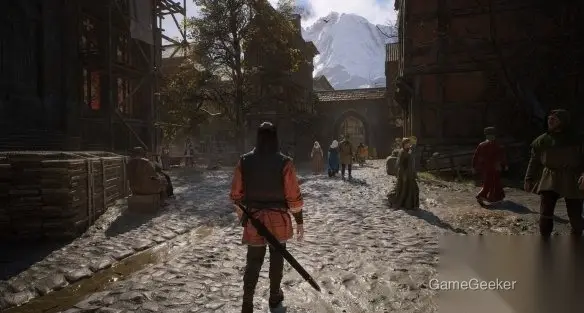
Here’s the key point: in terms of business planning, he also didn’t shout those slogans about “infinite growth.” Instead, he hopes The Blood of the Dawnwalker sells well enough to support the development of two more games afterward. This mindset feels very much like that of an old-school developer: first make one game stand firm, then talk about expansion, rather than dreaming of running five projects at once while still making the debut title. Konrad made it clear that he would rather have the studio continue producing distinctive content than become a giant company releasing five games at the same time. I’m telling you, in today’s environment, saying something like this really feels like going against the wind.
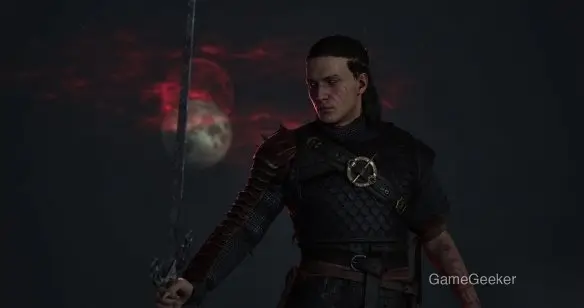
Now let’s look at the game itself. The Blood of the Dawnwalker is a vampire-themed open-world narrative RPG and has already entered the final certification stage. It hasn’t officially launched yet, but according to analysis, its Steam wishlist count is already approaching one million, which shows that players are paying extremely close attention to it. And the team is not afraid of outsiders comparing it to The Witcher series. On the contrary, they have actively emphasized that they added “high-risk mechanics” to force themselves to break through. The signal is very clear: they are not trying to make a safe substitute for The Witcher, but to push one step further on the familiar strengths of RPG design.
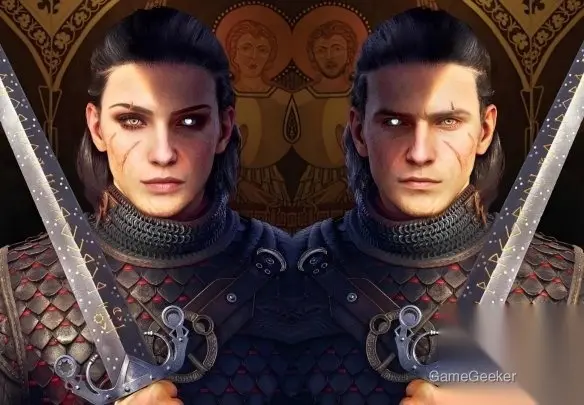
My judgment is simple: the most valuable thing about this company right now is not just its former CDPR core team, but the fact that it is actively resisting the impulse to “go big and do everything.” In recent years, there has been a very obvious trend in the industry: the bigger the team, the easier it is for projects to spin out of control; the higher the budget, the less willing creators become to take risks. Rebel Wolves is now going in the opposite direction: small and stable, focused on one game, and preserving risk-taking mechanics. This path may not be the flashiest, but it may very well be more suitable for creating a truly distinctive RPG.
If you are a longtime fan of story-driven RPGs, then The Blood of the Dawnwalker is absolutely worth putting on your wishlist and continuing to watch. The key things to keep an eye on are future gameplay footage, quest structure, and open-world feedback. If it ultimately manages to preserve narrative quality while also making its so-called high-risk mechanics feel fresh, then this won’t just be the launch of an ordinary new game—it will be a mid-sized RPG studio setting an example for the industry. To put it plainly, the most appealing thing about Rebel Wolves right now is not whether it resembles CDPR, but that it has finally decided not to repeat the path CDPR once took.





Commenti 0
Ci interessa la tua opinione
Partecipa alla discussione e condividi la tua opinione su questo gioco.
Ancora nessun commento. Scrivi il primo.