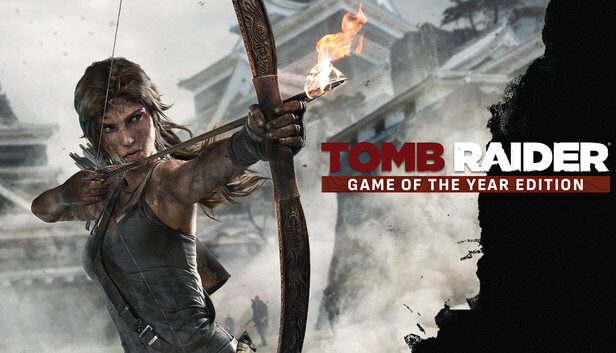
 In offertaTomb Raider Game of the YearFetching price~ €19.99-88%
Selezioni popolariVedi tutto
123456789101112
12 Best Mystery Games on PC (2026)
12 Best Space Sim Games on Steam (2026)
12 Best Story-Rich Games to Play (2026)
12 Best Turn-Based Tactics Games on Steam (2026)
12 Best Puzzle Games on Steam (2026)
12 Best Games to Play with Friends on PC (2026)
12 Best JRPGs on Steam (2026)
12 Best City Builder Games on Steam (2026)
12 Best Zombie Games on Steam (2026)
12 Best Free Indie Games on Steam (2026)
12 Best Short Indie Games to Try (2026) — Done in One Evening
12 Best Cozy Games on Steam (2026)
Giochi simili popolariVedi tutto
Games Like PowerWash Simulator - 12 Best Relaxing Cleaning and Restoration PicksGames Like ARC Raiders - 12 Best Extraction and Co-op Survival ShootersGames Like PEAK - 12 Best Co-op Climbing and Survival PicksGames Like R.E.P.O. - 12 Best Co-op Horror PicksGames Like Clair Obscur: Expedition 33 - 12 Best Turn-Based RPG PicksGames Like Path of Exile 2 - 12 Best Action RPG and Loot PicksGames Like Road to Vostok - 12 Best Hardcore Survival Shooter PicksGames Like Mina the Hollower - 12 Best Top-Down Action and Zelda-Like PicksGames Like Slay the Spire 2 - 12 Best Roguelike Deckbuilders to Play NextGames Like Resident Evil Requiem - 12 Best Survival Horror PicksGames Like Baldur's Gate 3 - 12 Best CRPGs and Turn-Based RPGsGames Like Monster Hunter Wilds - 12 Best Co-op Hunting and Action RPG PicksGames Like Hollow Knight: Silksong - 12 Best Metroidvania Picks (2026)Games Like Dead by Daylight - 12 Best Asymmetric & Co-op Horror PicksGames Like Final Fantasy VII Rebirth - 12 Best Action RPG & JRPG PicksGames Like Forza Horizon 6 - 12 Best Open-World Racing & Driving Picks (2026)Games Like Solarpunk - 12 Best Cozy Survival and Crafting GamesGames Like 007 First Light - 12 Best Stealth and Spy GamesGames Like Subnautica 2 - 12 Best Underwater and Alien-World Survival GamesGames Like Hell Let Loose - 12 Best Tactical Milsim Shooters
Recensioni popolariVedi tutto

Hades II — Recensione

Clair Obscur: Expedition 33 — Recensione

Katana ZERO — Recensione

The Long Dark — Recensione

Shift At Midnight — Recensione

Middle-earth™: Shadow of Mordor™ — Recensione

The Mermaid Mask — Recensione

Killing Floor 2 — Recensione

The Outlast Trials — Recensione

American Truck Simulator — Recensione

Voidling Bound — Recensione

Go-Go Town! — Recensione

Desktop Explorer — Recensione

Dead as Disco — Recensione

Crushed In Time — Recensione

Beastro — Recensione
Tomb Raider Atlantis Ruins specs revealed, is an RTX 3080 really the baseline?
Tomb Raider: Atlantis Ruins now has official PC requirements, and the big number here is the recommended GPU: RTX 3080 or AMD RX 6800 XT. On the low end, it calls for an Intel i5-8600 or AMD Ryzen 5 3600, 16GB RAM, and a GTX 1070 (8GB) / RTX 2060 Super / AMD RX 5700, while both tiers require 80GB of storage. The game is built in Unreal Engine 5 and framed as a tribute to the original 1996 Tomb Raider.

Those numbers set expectations quickly. The pitch splits cleanly in two: nostalgia for series veterans, and a hefty GPU ask for everyone else. Jumping straight to an RTX 3080 on the recommended spec makes the intent pretty clear: this game wants to push Unreal Engine 5 visuals hard. That said, it is not absurd across the board. The minimum tier is still fairly demanding, but keeping RAM at 16GB stops the requirements from climbing even higher.
More importantly, this is not being pitched as nostalgia alone. The game explicitly positions itself as a tribute to the original 1996 Tomb Raider. The pitch is straightforward: bring back the structure of the 1996 game, then present it through Unreal Engine 5. According to the published details, it also adds modernized gameplay design and new hidden content. That also makes the audience easy to read. This is aimed at longtime series fans, but it also wants to pull in players experiencing Lara Croft for the first time.

The outline is classic Tomb Raider. Players take on the role of Lara Croft and travel through the Peruvian jungle, ancient Greek ruins, the Egyptian desert, and mysterious Mediterranean islands. The loop includes crossing dangerous areas, solving puzzles and environmental contraptions, fighting beasts, and searching for fragments of the powerful artifact Si Priest Ang. That is basically the Tomb Raider formula spelled out plainly, and if the pacing and puzzle flow land, this kind of globe-spanning ruins expedition should be easy to get pulled into.
But for PC players, the immediate question is still hardware demand. A minimum spec that includes the GTX 1070, RTX 2060 Super, and RX 5700 makes it clear this is not chasing the lowest possible barrier to entry. The recommended tier moving up to RTX 3080 feels more like a warning: if you want a stable high-end visual experience, older hardware may not cut it. And once Unreal Engine 5 is involved, the usual question follows: optimization is still an open question until launch performance is proven.

The practical takeaway is simple. Players with something like an RTX 2060 Super, RX 5700, or GTX 1070 should probably wait and see how optimization and day-one performance turn out before making any upgrade decision based on nostalgia alone. If you already have hardware closer to an RTX 3080 or RX 6800 XT, this is much more worth keeping an eye on, because that class of system is clearly better suited to the kind of immersive adventure the game is aiming for. Right now, the message from Tomb Raider: Atlantis Ruins is clear: it is trying to be more than a simple nostalgia revival. It wants to be a high-spec relaunch for both returning fans and newcomers, and whether that lands will depend on the final performance.
In offertaTomb Raider Game of the YearFetching price~ €19.99-88% In offertaTomb Raider II (1997)Fetching price~ €149.00-98%
 In offertaTomb Raider I (1996)Fetching price~ €6.99-62%
 Tomb Raider: LegendFetching price~ $6.99
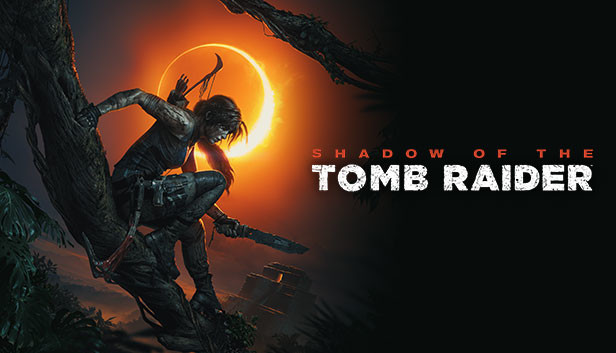 Shadow of the Tomb Raider: Definitive EditionFetching price~ $39.99





Commenti 0
Ci interessa la tua opinione
Partecipa alla discussione e condividi la tua opinione su questo gioco.
Ancora nessun commento. Scrivi il primo.