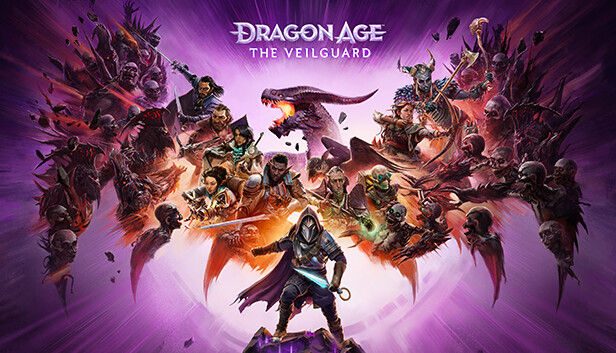
シングルプレイヤーRPGのDragon Age™: The Veilguardは、ロークと7人の仲間、選択がセダスを左右する物語を軸に展開します。確認済みの記録上の最安値≈ ¥1,396(GAMIVO)なら、この冒険への関心と予算を照らし合わせる機会になります。仲間にはそれぞれの物語と能力があります。GAMIVOでの価格は¥2,940で、確認済みの記録上の最安値です。Steamレビュー41,514件中、67%が好評です。
“Looking for an action-fantasy RPG that looks gorgeous, carries a marquee score, and plays smooth — and you're not lugging a decade of series baggage? This one fits. But if you came for the pause-and-command, grimdark CRPG of Origins, brace yourself first.”
Eighty from the critics, sixty-eight from the players — a rare fracture
Lay the numbers on the table. Veilguard sits at 84 on Metacritic and an 80 top-critic average on OpenCritic, level with Inquisition's 84 — the press handed it a "solid mainline sequel." Cross over to the players and Steam's long-run rating is just 68 percent, tagged Mixed. That fracture between critics and community is the most telling thing about the game, and even EA eventually filed it under commercial disappointment.
Why the split? Because the critics were grading "is this game well made" — combat, visuals, score, signposting, all of it on point — while the veterans were measuring "is this still the Dragon Age I knew." Pause-tactics gone, the grimdark dialed down, choices hollowed out, the lore only ever skimmed. One game, two different rulers, two different scores.
It is a competent action RPG and not necessarily a competent Dragon Age sequel, and both of those can be true at once. The series chased a wider, smoother, more action-forward audience, and it caught them — at a cost the old guard tallied very differently. The commercial shortfall that followed, and the studio turbulence after it, is the kind of outcome that happens when a sequel wins the review average but loses the fanbase's sense of ownership.
Who falls for it, and who should brace first
So should you buy it? Depends who you are. If you want a third-person action-fantasy RPG that looks gorgeous, carries a marquee score, and plays smooth — and you aren't hauling a decade of franchise baggage — this is a fine pick. Seven character threads will hold you across thirty or forty hours, and newcomers in particular tend to be won over by the sheer level of finish. Its official companion podcast, Vows & Vengeance, even took a Best Audio award at the Tribeca Festival; the production values are no bluff.
But if you came for the grimdark CRPG of Origins — the pause-and-command strategy, the heavy moral choices, the dense worldbuilding — then take the warning early: the game walked away from all of that, and it is not the entry built for you. In the end it reshapes a veteran strategy RPG into the smoothest-playing action adventure the series has made, splitting hard from Inquisition's open-world path. That direction is a delight for the newcomer and a bittersweet pill for the faithful. Settle which one you are before you check out, and your experience won't end up pointed in the wrong direction. Go in expecting a sleek modern action RPG with a great-looking world and a film-grade score, and you will likely come away happy; go in expecting Origins reborn, and the disappointment is baked in before the title screen. The game is exactly what it set out to be — the trouble was only ever that not everyone wanted that thing.
Its place in the series — a bet on direction that won the press and lost the faithful
Pull back to the whole of Dragon Age and Veilguard is destined to be its most divisive entry — not because it's bad, but because it pivoted so completely. From Origins in 2009 to Inquisition in 2014, the series kept oscillating between strategy RPG and action, and this time it simply strode all the way to the action end and pulled the pause button out by the roots. That was a bet on direction: a wager that the new audience outnumbers the old one, that slickness sells harder than depth.
The bet half paid off. Critics endorsed the finish, and the 84 on Metacritic is real validation; but a sizable chunk of the diehards a decade of games had built up didn't follow, and the 68 percent Steam rating and EA's own "commercial disappointment" are the bill for the turn. It ends up an instructive case: a sequel that's genuinely well made on its own terms yet reads as a rebellion when slotted back into the series' lineage. Looked at years from now, it will likely be remembered as the boldest — and most fracturing — turning point Dragon Age ever took.