

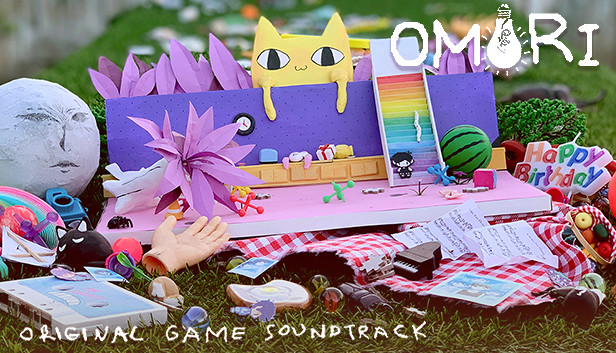
DLCOMORI Soundtrackストアの価格情報を読み込み中

色鮮やかな出会いを自分のペースで巡り、忘れられた過去を探るゲームを求めるなら、OMORIの不思議な世界が合うかもしれません。Steam PC版のプレイヤーレビューは80,085件中97%が好評で、シングルプレイヤー形式が自分自身の道に焦点を当てます。 Steamでの価格は¥1,980です。
購入前に、物語を軸にした探索が自分の予定に合うか考えてみてください。紹介文では、選択が自分や他の人の運命に影響するとされています。Steam PC版はフルコントローラー対応で、現在価格を比較の目安にできます。 Steam PC版のインターフェース言語は簡体字中国語、英語、日本語、韓国語で、フルコントローラー対応も記載されています。
ストアの価格情報を読み込み中価格は Steam 公式と 39 社の正規ストアを対象とし、正規の提示価格のみを集計しています。グラフは直近 36 か月について、週ごとの市場下限価格と Steam 公式価格を表示します。
価格履歴は米ドルで記録しています。表示金額は 2026-10-09 時点の欧州中央銀行レートで JPY に換算した参考値です。実際のお支払い額はストアのページをご確認ください。
色鮮やかな友人や敵が待つ不思議な世界を探索し、鮮やかな場所と日常的な場所を行き来しながら、忘れられた過去を解き明かします。選んだ道が自分の運命、そして誰かの運命を左右するかもしれません。 Steamプレイヤーレビュー:80,085件中97%が好評。 Steam PC版の発売日:2020年12月25日。 インターフェース言語:簡体字中国語、英語、日本語、韓国語。
| 言語 | インターフェース | 字幕 | 音声 |
|---|---|---|---|
| 簡体字中国語 | はい | はい | — |
| 英語 | はい | — | — |
| 日本語 | はい | はい | — |
| 言語 | インターフェース | 字幕 | 音声 |
|---|---|---|---|
| 韓国語 | はい | はい | — |
Steam PC版の情報 · 2026-10-10
Steam PC版は英語、ドイツ語、簡体字中国語、スペイン語のインターフェースに対応しています。フル音声対応は記載されていません。
Steam PC版はシングルプレイヤーとフルコントローラー対応が記載されています。
色鮮やかな友人や敵がいる不思議な世界を探索し、華やかな場所と日常的な場所を巡って忘れられた過去を探ります。
紹介文によると、選んだ道が自分の運命、そして他の人の運命を決めるかもしれません。
WindowsとmacOSが記載されています。
“Dream-and-reality dual-space plus emotion-state combat — the emotional-depth ceiling of indie narrative RPGs.”
## Overall
OMORI's industry positioning is the gold-standard reference for indie narrative-RPG success. On the critical side: Metacritic 88 (Generally Favorable), OpenCritic 86 (Mighty tier, 100% critic recommendation), PC Gamer 88, RPGFan 92, Noisy Pixel 90. On the player side: Steam Overwhelmingly Positive with about 96% positive across more than 76,000 reviews; Metacritic user score 9.0. Chinese media tracks the same elevation: Gamersky player consensus 9.0, Gcores 9.5, 3DM strongly positive. The OpenCritic 100% recommendation figure is itself extraordinary — it means every reviewing outlet that covered the game recommended it, which is the rarest possible outcome in the indie RPG category.
The commercial side reads as a textbook indie success. Steam cumulative sales crossed one million units by December 2022 and conservative estimates now place the figure past two million. Steam concurrent peak near 5,000 at the 2020 December launch; daily concurrent long-tail in the 500 to 1,500 range years after release. The 2014 Kickstarter that started the project is itself a legendary case: a small pseudonymous artist studio raised $220,000 against a $22,000 goal — a 10× over-funding result that enabled the six-and-a-half-year polish cycle that the final game shipped with. The DreamHack 2021 Beyond Awards Daringly Dramatic win was the industry-recognition milestone that confirmed the studio's standing.
The buyer profile is straightforward. Narrative-RPG enthusiasts, deep indie players, adult players able to handle psychological themes, players drawn in by Undertale and the Earthbound family — all of them are in the target audience. The pitch — "dual-space dream-and-reality narrative plus emotion-state combat plus a 179-track score plus a multi-ending tree" — is exactly what the post-2020 indie narrative RPG emotional-depth ceiling looks like. The Chinese community's recurring phrase is "a 20-hour game that makes you re-live your own childhood — not a game to play, a game to remember," which captures the unique place OMORI occupies in the Chinese narrative-RPG audience's collective memory.
The non-buyer profile is equally clear. Players who actively avoid depression and trauma themes; players who want fast, snappy combat with immediate feedback; players impatient with slow-paced narrative — all should look elsewhere. OMORI's "heavy psychological subject matter plus slow-tempo turn-based combat plus engine-bound friction" stack is real entry friction. The depression, trauma, self-harm and suicide themes can be genuinely triggering for players with PTSD or anxiety conditions, and OMORI is honest about that. If "I want immediate fun" is your priority, Dead Cells or Hades are the right purchases. If "I want to commit twenty hours to a sustained narrative experience" is your priority, OMORI is the right purchase. Version guidance: the Steam PC build is the preferred entry point (keyboard-and-mouse menu navigation is smoother), with the official original soundtrack DLC optional for the audio enthusiasts. The Switch version, with its accessibility features (skip cutscenes, configurable text speed, optional combat assistance), is the better choice for sensitivity-prone players. Steam discounts run regularly in the 50% to 70% range, with floor prices around 25 RMB. Chinese-speaking buyers don't need to hesitate on language: the day-one official Simplified and Traditional Chinese localisation covers menus, dialogue, story subtitles, boss names, skill descriptions, and item flavour text.
Set the commercial figures and the score sheets aside, and OMORI's lasting contribution is straightforward — it is the indie narrative-RPG emotional-depth ceiling since 2020. OMOCAT's six-and-a-half-year development cycle, the pseudonymous-artist-led design model, the Kickstarter-funded origin, the RPG Maker MV engine extension work — every one of those structural choices reads as a case study in the "single-author or small-team artisanal indie" production mode. The Chinese narrative-RPG community places OMOCAT alongside Toby Fox (Undertale), Robert Yang (experimental indie work), and the Drog / Xelu team as some of the most identifiably personal voices in the indie narrative-RPG category.
OMORI lines up with Undertale and Disco Elysium as the three flagship indie narrative RPGs of the 2014-to-2020 window — Undertale's spare-or-fight choice school, Disco Elysium's thought-cabinet conversation school, OMORI's dream-and-reality dual-space school. Each tradition has its own signature, and OMORI's emotional-depth signature has stood unchallenged in its lane since launch. The composite 8.5 score affirms the design completeness (the dual-space narrative architecture plus emotion-state combat plus the 179-BGM score plus OMOCAT's hand-drawn direction plus the multi-ending tree), the story-system ceiling (9.5 story is the highest dimension), the audio-investment industry benchmark (9.5 audio matches it), and honestly acknowledges the gameplay drag (6.5 gameplay is the lowest dimension), the RPG Maker MV engine ceiling, and the heavy-subject-matter entry friction. It isn't the year's most visually ostentatious game. It is the most emotionally deep indie narrative RPG since 2020, and the cornerstone release of OMOCAT's pseudonymous-artist-led studio model.
この言語で選ばれた参考になるレビューには、推奨と批判の両方が含まれます。この選択は全体の好評率を示すものではなく、各レビューは評価対象のバージョンについて述べています。
出典:Steamユーザーのオリジナルレビュー。有用票数は保存時点のスナップショットで、リアルタイム情報ではありません。最終取得日:2026/08/14。