
ニュース
Bunny Garden 2 Adds Twin-Tail Lolita Roro in New Update
Bunny Garden 2's new 10-second trailer shows a twin-tailed lolita character in a sweet-yet-cutting promo. With six heroi
















On May 6, 2026, Apex Legends rolled out its latest Overclocked patch on PC, fixing a high-frame-rate physics issue tied to AMD Ryzen X3D processors, according to the patch notes and reporting compiled by overseas media.
What makes this update worth paying attention to is not a simple “this CPU is too powerful” narrative. In a fast-paced competitive game like Apex Legends, Respawn is finally addressing an old problem where excess performance can trigger unexpected behavior. The patch notes are unusually direct: the team improved CPU performance for physics calculations to reduce stuttering on processors with high single-core performance, and specifically called out the Ryzen X3D lineup. In practical terms, when frame rates climb too high and frame times get too short, the physics step can lose consistency, making movement and collision detection less reliable.
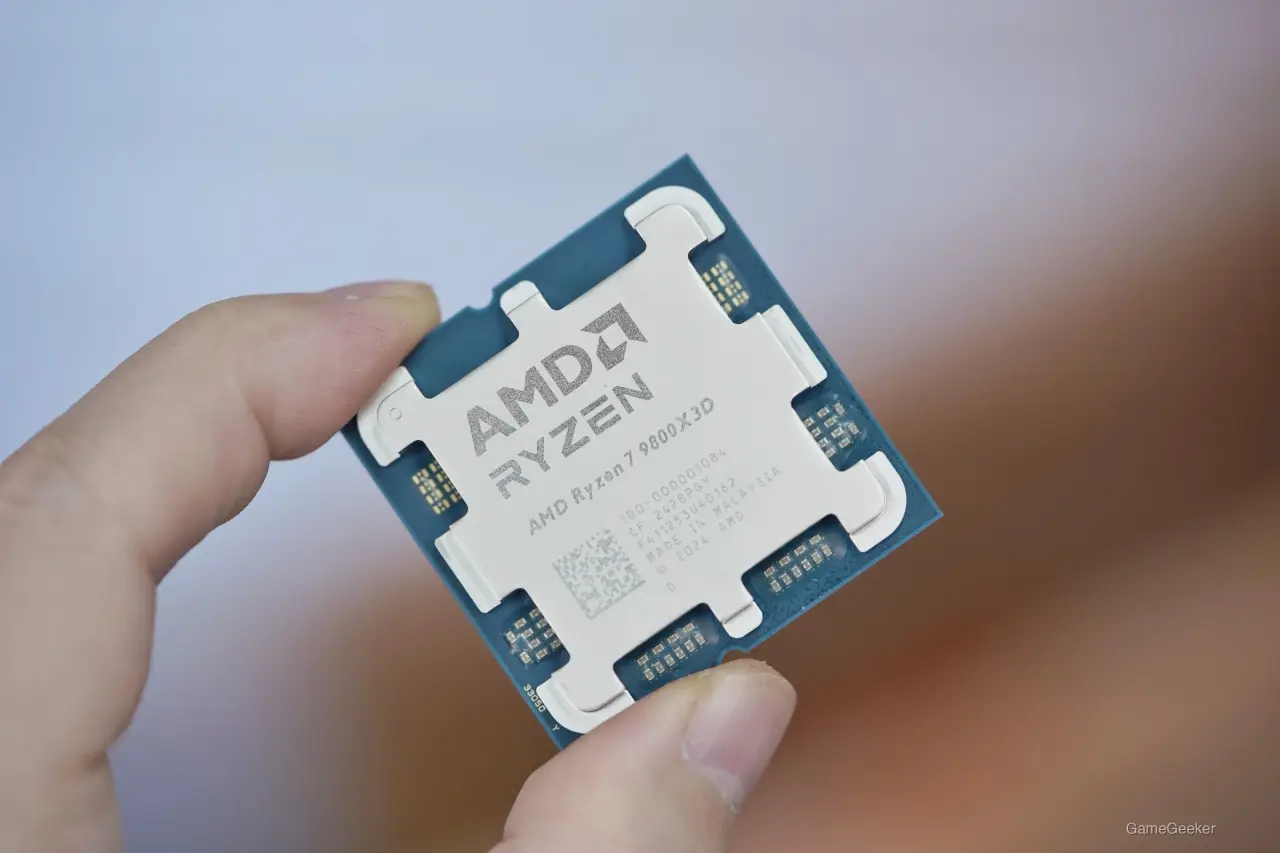
The issue gets even clearer at the extreme end. The original report says that once Ryzen X3D chips push Apex Legends past 500 fps, the game world’s physics rules start to break down. For most players, 500 fps is more of a showcase number than a real target. For high-end PC users, competitive players, and tuning enthusiasts, though, this is not some edge-case curiosity, because it directly affects whether input response and in-game behavior remain consistent.
Beyond the headline fix, the PC version also got a set of more practical low-level optimizations. All maps now use the updated occlusion data structure first introduced on the Olympis map, with the goal of slightly improving CPU performance rather than overhauling visuals. The patch also fixes occasional severe frame-rate drops above 240 fps. For everyday play, that may matter even more than the 500 fps scenario, because players running high-refresh displays in ranked are usually more concerned with stability around 240 fps than with an eye-catching peak number.

From the community angle, patches like this usually split discussion in two directions. One group reads it as proof that X3D chips are so strong they can break the game. The other asks why Respawn is only fixing it now. Based on the patch itself, the issue has already been acknowledged as a combination of high-single-core-performance CPUs, very high frame rates, and physics consistency. That means this is not a case of simply blaming hardware, and it is not something fully explained away by saying players should just cap their frame rate. It is a textbook example of a game engine needing recalibration for extreme-performance scenarios.
If you are still playing Apex Legends on PC, the takeaway is straightforward. First, high-end Ryzen X3D users should treat this patch as a high-priority update, especially if they actively chase ultra-high frame rates. Second, players on 240Hz and faster monitors should pay close attention to frame-time graphs and match stability after updating, not just average fps. Third, even mainstream PC users should not dismiss this as irrelevant, because CPU optimizations like a unified occlusion structure often translate into smoother performance in multiplayer matches and heavier scenes. In a competitive game built on feel, stable rules matter more than a single benchmark result.





コメント 0
ご意見をお聞かせください
このゲームについての感想や評価をお寄せください。
コメントはまだありません。最初の一件をどうぞ。