ニュース
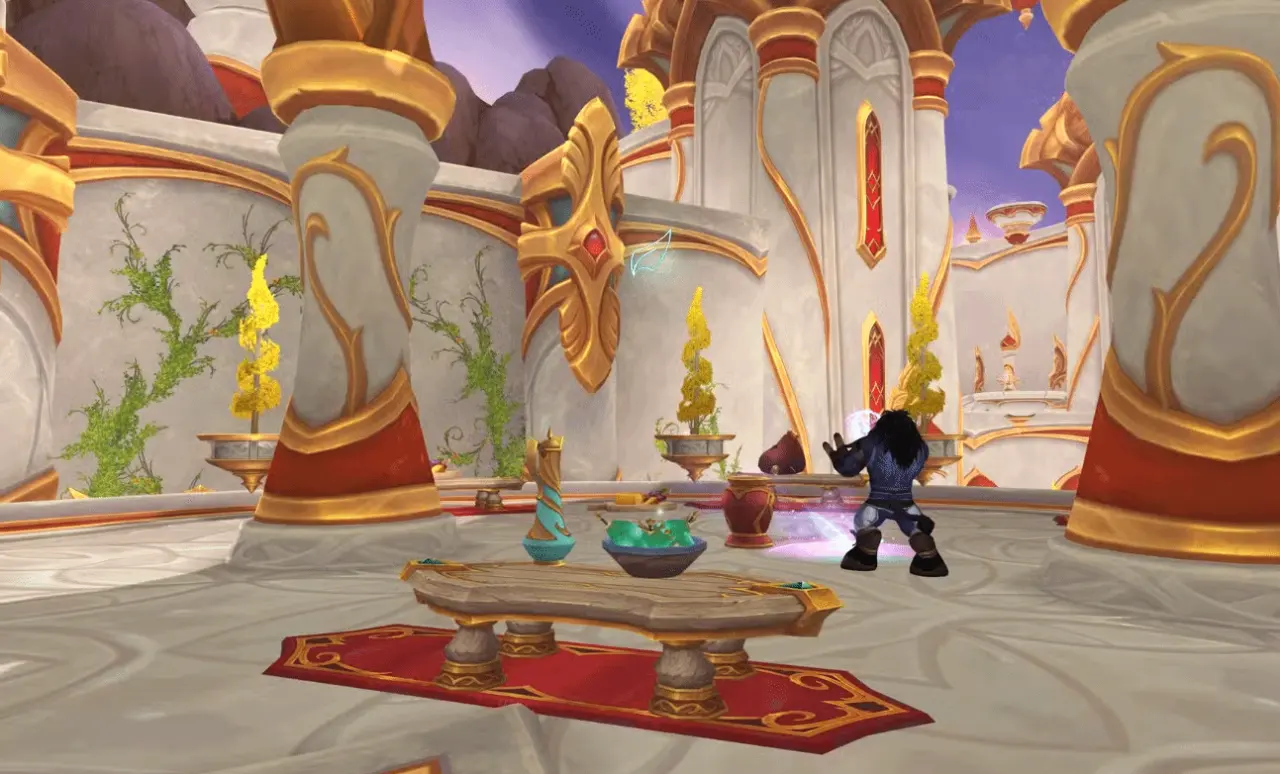
World of Warcraft 12.0.5 Crashes Hard as Veterans Call for a Full Reset
World of Warcraft's 12.0.5 patch sparked player backlash over critical bugs, prompting a former Bliz
















As a player who deals with high-load racing games like Need for Speed and F1 every day, I only have two basic requirements for a gaming laptop: maintain full FPS, and don’t choke. But recently I saw an ASUS laptop after-sales incident saying that one machine had been sent in for repair ten times over the past eighteen months. My first reaction was: if I were using that for ranked matches, it’d be visiting the repair station more often than I’m visiting the pit lane.

According to the user’s complaint on Reddit, this ASUS laptop first developed serious faults. After it was sent in for service, the manufacturer successively replaced almost all the core components, including the motherboard, battery, and power adapter, but the key issue was never truly resolved. The ten repairs added up to about fifty-two days of “pit stops” for the device. If we use a racing analogy, this is like a car that barely runs a few races in a year and a half but spends all its time standing by in the pits; any driver would be driven crazy.
What’s even more suffocating is that when preparing to send it in for the eleventh repair, ASUS suddenly demanded that the user first pay a “battery service fee,” otherwise the subsequent repair process could not proceed. After the player refused to pay, the repair request got stuck in the system and couldn’t move forward. Their patience, which was already stretched to the limit, was effectively slammed with the brakes once more. The user also mentioned that the person in charge of handling this after-sales case had been transferred, making the prospect of getting a replacement machine even more remote. The whole incident feels like an endurance race that has dragged on for a year and a half without ever seeing the checkered flag.
The core pain point of this machine is overheating and performance throttling. Even after an upgrade from a Core i5 to a Core i9, it still suffered from severe downclocking. The power distribution between CPU and GPU was described as badly unbalanced, making the laptop almost unusable under high-load scenarios. To put it in terms we’re familiar with: on the surface you’re given a “high-spec race car,” but the power is constantly shackled by electronic speed limiters; it can’t pull on the straights and is gasping in the corners. For players who want to enjoy AAA titles and racing simulators, this experience is far more disgusting than “not enough FPS.”
If we place this incident in a broader consumer context, it actually serves as a warning for the entire gaming laptop field. When players buy high-performance laptops, what they expect is stable output, just like how drivers care about how many races in a season they can actually finish, not how luxurious the pit area is. Ten consecutive repairs within the warranty period without solving the problem shows that the after-sales team has already “gone off track” in fault diagnosis and quality control. Dragging it out to the eleventh repair to talk about extra charges will immediately break through the bottom line of players’ trust in the brand. That move is equivalent to ripping the sponsor’s banners off the trackside walls with their own hands.
From a purchasing advice perspective, if you’re a more hardcore player who runs games under high load for long periods—especially racing, shooters, and open-world titles that heavily stress both CPU and GPU—then when choosing a laptop you must treat “cooling capability” and “after-sales reputation” as hard criteria. No matter how gorgeous the on-paper specs are, if the power limits are too conservative, the cooling design is underbuilt, and the after-sales team is unwilling to take responsibility for recurring faults, then high-end specs will only become muscle-flexing in marketing images. For traditional big manufacturers like ASUS, this incident is like a “pit lane accident” broadcast live. If they can’t promptly adjust their processes and improve after-sales strategies, their starting position in players’ minds will only slip further and further back in the long run.


コメント 0
ご意見をお聞かせください
コメント欄へようこそ。このゲームの感想を聞かせてください。一番乗りにはうれしいことがあるかも。
コメントはまだありません。最初の一件をどうぞ。