ニュース
Bunny Garden 2 Adds Twin-Tail Lolita Roro in New Update
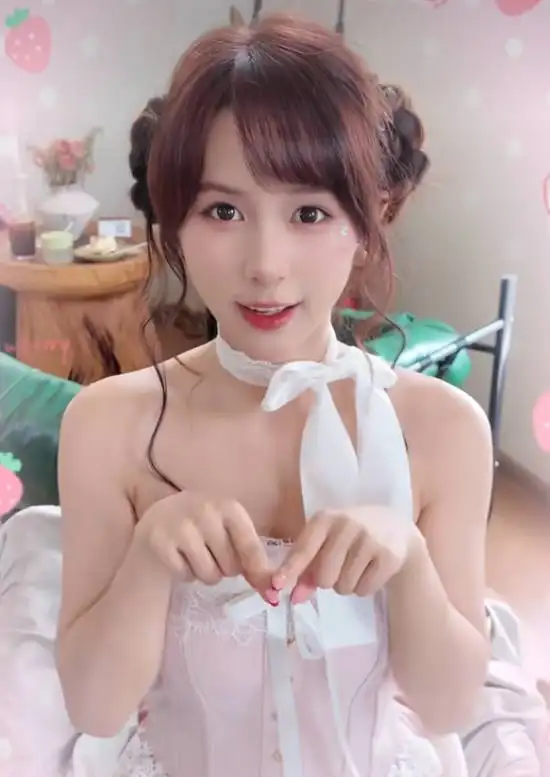
Bunny Garden 2's new 10-second trailer shows a twin-tailed lolita character in a sweet-yet-cutting promo. With six heroi
















What moved me first, actually, wasn’t any particular punchline, but that photo of the mother cat and kitten behind the iron bars. It feels like those silent side-story moments in many games that need no dialogue at all—just a glance and a sense of distance are enough to convey the emotion of “protecting someone.” What makes this kind of funny image compilation so good has never been the amount of information it contains, but the way it can give you a tiny, relatable little scene in just one second.

Judging from the factual content, this piece is essentially a collection of multiple images with short captions. There’s no complete event timeline, nor any clearly reported人物 or data to support it. Most of the captions are the kind you understand at a glance, yet still make you fill in the story yourself—phrases like “perfectly compatible,” “cat-head mountain,” and that line, “Identifying product... it’s a giant dragon fruit.” This style of expression feels a lot like the light sarcasm popular in gaming communities: it doesn’t rely on forcing memes, but on letting the image and the context carry the joke, like chatting with an old friend who’s really good at picking up your cues.

As for the “characters,” what I find most interesting about this set is how it gives personalities to inanimate objects, animals, and even scenes. The black cat’s look of disdain when a human gets close, the baby’s oddly world-weary seriousness while staring at the hot pot, and the dog’s aggrieved expression as it watches its food being rummaged through—all of them feel like someone flipped on the anthropomorphism switch. They don’t force sentimentality, and they don’t spell out the emotions completely; they just leave a gap for the viewer to fill in, which makes them feel more real and more likely to bring out a knowing smile.

What left a strong impression on me is that the rhythm of the captions in this kind of compilation feels a lot like environmental storytelling in games. When you see lines like “statue, move aside,” “I’ll take care of you,” or “immersed in the ocean of knowledge,” the point is no longer just the literal meaning, but the sense of mismatch between text and image. It doesn’t need to explain the joke clearly; it just needs you to make the association, misread it for a moment, and then realize what’s really going on—and the humor lands. Even a more direct line like “Learned something new! There’s even a couplet like this” manages to stay funny because the image itself is strange enough to carry it.

But what pulled me out of it a little is that when you rely purely on stacking dense funny images, emotional fatigue really does set in easily. Since the original text provides almost no extra background, and the only recognizable time information basically comes from the 2026/04/15 in the image links, it feels more like an instant share than a feature worth revisiting repeatedly. It’s great fun while scrolling, but if you want it to leave a deeper impression, it would need clearer grouping—like an animal section, a pun section, a visual illusion section—so the reading experience flows more smoothly.
Looking at trends in player community content, this “image + one sentence” format is still highly effective, especially for fragmented moments and reposting on social platforms. It’s very close to the kinds of playful screenshots, localization memes, and instinctive reaction-style commentary common in gaming circles: low barrier to entry, fast emotional payoff, and easy to inspire secondary creations in the comments. If you usually enjoy light, stress-relieving content, this kind of compilation is worth saving; but if you care more about complete storytelling and deeper expression, it’s better suited as emotional junk food for the day rather than a full meal.

My biggest takeaway after reading it is that good funny images are actually a lot like good character moments. Neither needs to say much—if the moment is accurate enough, the audience will catch the emotion on their own. Compared with the kind of content that force-feeds jokes and tries to make you laugh, this kind of restraint feels much more comfortable to me, and also makes me more willing to share it with friends.




コメント 0
ご意見をお聞かせください
このゲームについての感想や評価をお寄せください。
コメントはまだありません。最初の一件をどうぞ。