
ニュース
007 First Light Drops to $24.69 in Its First-Ever Sale, Beating the Previous Low
007 First Light gets its first discount, with Green Man Gaming stacking an extra 18% off the 20% official price cut plus
















According to IGN on May 14, 2026, former Nintendo of America content and social media leads Kit Ellis and Krysta Yang said on their blog show that ongoing leaks around Star Fox, The Legend of Zelda: Ocarina of Time, and a new 3D Mario are undermining Nintendo's long-running surprise-reveal strategy. Their argument is that for a company built on controlled timing and sudden announcements, this kind of leak cycle is close to a worst-case scenario.
Nintendo used to stage reveals the way a good game hides discovery: you do not know what is around the corner, and then suddenly there it is. The problem now, as the article frames it, is simple. Before players even reach the chest, the coordinates are already pinned to the top of a forum thread. Convenience goes up. Excitement drops with it.
The latest round of discussion traces back to leaker NateTheHate, who had previously described Nintendo's future plans as including a high-end remake of The Legend of Zelda: Ocarina of Time, a brand-new 3D Mario, and a new Star Fox due in summer 2026. Nintendo then held a Direct and formally announced the latest Star Fox. The timing came slightly later than the leak suggested, but the article argues that this actually strengthened the leak's credibility rather than weakening it.
That point matters because Kit Ellis does not think Nintendo intentionally delayed the Star Fox reveal just to throw off NateTheHate's schedule. In his view, this looks more like a normal, minor adjustment to a marketing plan, especially when a company also has to work around practical calendar issues such as Japan's Golden Week. The article says Star Fox may originally have been lined up for late April, before being moved to the first week of May, after Golden Week ended. Ellis's broader point is that Nintendo is not going to let outside leakers dictate its reveal cadence.
But the more interesting takeaway comes from Krysta Yang, who argues that the Direct format itself may be becoming a less natural fit for the current media environment. She and Ellis both believe this leak wave hit Nintendo hard enough that it could push the company away from relying so heavily on large Direct-style showcases, and toward reveals that are more frequent, smaller in scale, and more sudden.
Yang's reasoning is not just about lost surprise. She says Nintendo is adapting to an era in which leaks are increasingly common, and that leaks do more than spoil a moment. They also damage Nintendo's ability to manage player expectations. Once a rumor hardens into assumed truth, the company is no longer announcing something fresh. It is responding to a version of the future that players have already built in their heads.
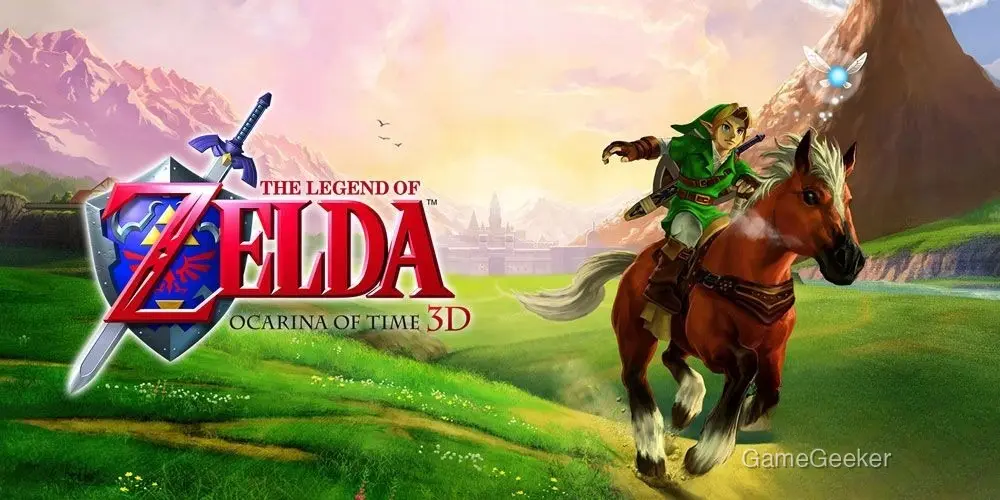
Her example is The Legend of Zelda: Ocarina of Time remake. Yang says many players already assume it is headed for the 2026 Christmas window. That kind of shared expectation keeps stacking pressure higher and higher. If Nintendo's timing shifts, or if the actual project differs from what people imagined, disappointment can land first even if the game itself is perfectly fine.
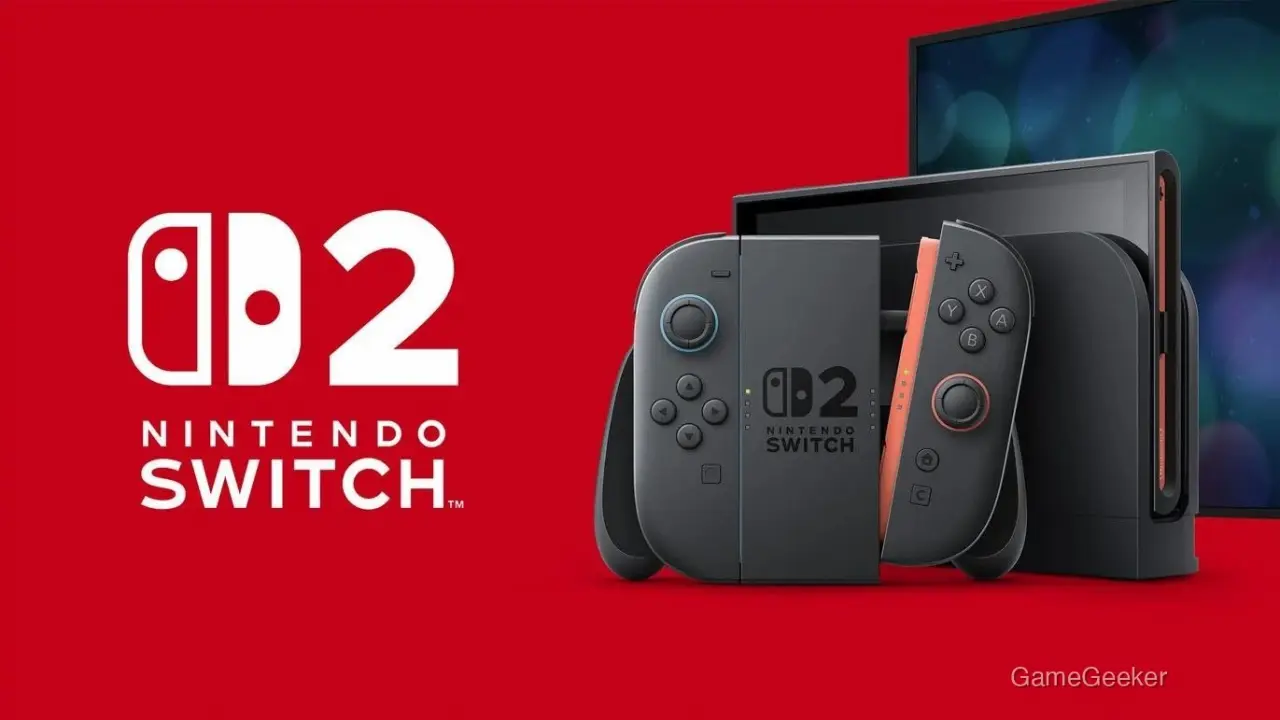
She extends the same logic to last year's Switch 2 leaks. By the time Nintendo released its first official video, Yang says, much of the audience had already seen so much unofficial information that the reveal no longer felt new. The product had not changed, but the freshness of the moment had.
That is why Yang suggests a different release rhythm may make more sense now. Instead of centering everything on big, concentrated broadcasts, Nintendo may be better served by scattered, smaller surprises, including the kind of drop associated with Nintendo Today. She points to the earlier reveal of the Splatoon Raiders trailer as an example of that approach working better in today's information climate. Read that way, this is less about patching one PR problem and more about rethinking the whole logic of how Nintendo announces games.
My own read aligns with the article's framing. In games, discovery is not just about how much there is to find, but about how carefully information is withheld. If you know every dungeon reward in advance, exploration stops feeling like discovery and starts feeling like checklisting. Nintendo has long been unusually good at creating that sense that there is still one more layer to uncover. Leaks chip away at exactly that strength.
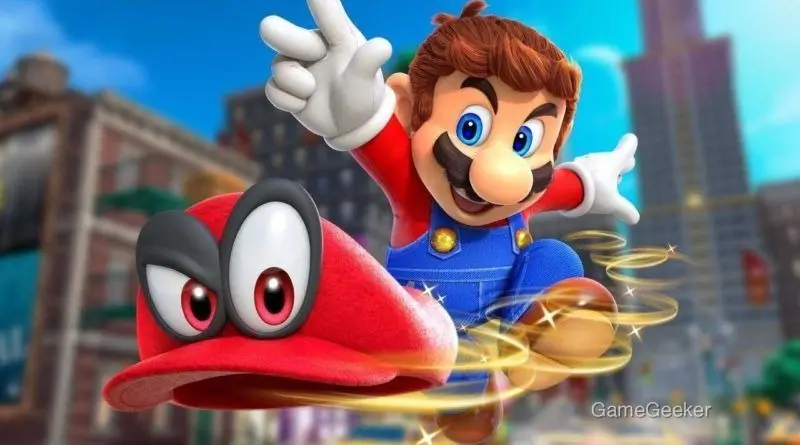
For Nintendo fans, the most sensible approach is probably to treat leaks as signposts, not as a full map. They can be useful, but locking your expectations too early only narrows the room for surprise. For the wider industry, the lesson is just as clear: in an environment where leaks are increasingly common, surprise does not have to depend on one giant Direct carrying everything. Smaller, faster, more abrupt reveals may simply be a better fit for the way information moves now.
The article closes by effectively putting the question to readers: do insider leaks make players more excited, or do they erode the one thing Nintendo has always done best, the surprise itself?




コメント 0
ご意見をお聞かせください
コメント欄へようこそ。このゲームの感想を聞かせてください。一番乗りにはうれしいことがあるかも。
コメントはまだありません。最初の一件をどうぞ。