ニュース
Nintendo Shifts Strategy With $30 Price Gap Between Switch 2 Launch Models
Former Nintendo of America president Reggie Fils-Aimé says Nintendo is shifting from its traditional
















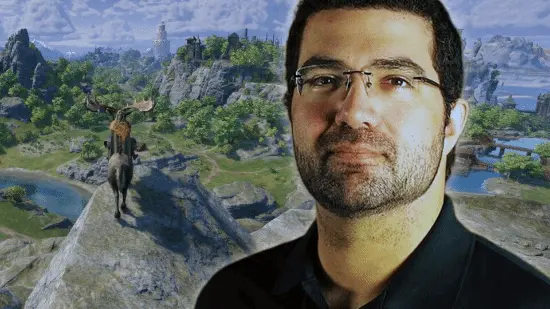
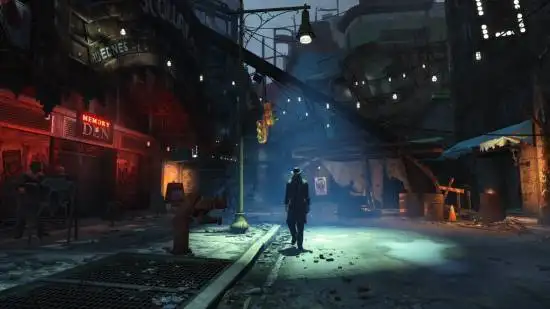
After Starfield launched, Bethesda’s former Senior Vice President of PR and Marketing, Pete Hines, announced his retirement. At the time, it looked like a veteran official making a perfectly normal exit after a major project wrapped. But in a recent interview, he finally filled in the missing pieces: the real moment he decided to leave actually came much earlier, shortly after Microsoft acquired Bethesda in 2021. In other words, Starfield’s release was less a relaxed end-of-career celebration and more the last mandatory platform he had to step on before getting off the ride.

Hines did not name Microsoft directly, but the direction of his remarks was already unmistakable. He said he was no longer “able to do the things required to properly run the company,” and that sounds like more than simple burnout—it feels more like the weightlessness that comes when core beliefs and reality drift apart. For someone who joined Bethesda right after college and rose from writing strategy guides all the way to the E3 stage, saying something like that makes it clear the problem had gone far beyond anything a few minor fixes could solve.
The more cutting part lies in how he described the company’s current state. He mentioned that he had stayed on because the company needed him, hoping to protect the team and its achievements as much as possible, but later realized that even if he remained, there might not be much left to protect. In his view, Bethesda is no longer the publisher-developer machine that did what it said and carried a distinct identity. Instead, it had become “just part of a massive system full of hypocrisy and insincerity.” That line lands like a heavy block pushed straight onto the core contradiction behind Xbox’s wavering first-party strategy in recent years.

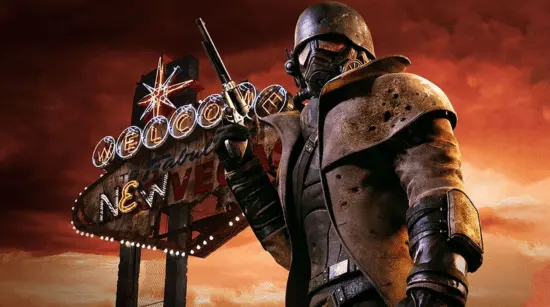
Looking back at the timeline makes it even more telling. Starfield’s repeated delays pushed Hines’ departure later than originally planned, and when he finally left, it happened to coincide with a critical turning point for Xbox. First came the failed launch of Redfall, and then some first-party titles began expanding onto the PS5 platform. Even Indiana Jones and the Great Circle, which had originally been planned as a multiplatform release, has now also landed on PS5 and Switch 2. Most dramatic of all, Hines had previously testified during the FTC’s review of Microsoft’s acquisition of Activision Blizzard, complaining that Call of Duty was allowed to remain multiplatform while Bethesda titles were being pushed toward exclusivity. In hindsight, that sense of internal contradiction now feels especially ironic.
If we treat this as a case study in industry observation, it feels like a mistimed landing in a platformer: capital mergers and acquisitions created a higher stage, but team culture, brand promises, and platform strategy were never calibrated in sync, so the whole rhythm was eventually lost midair. Over the past few years, discussion of Bethesda in the player community has gradually shifted from “waiting for the next masterpiece” to “can we still trust them one more time?” For ordinary players, rather than betting on exclusivity to any one platform at this stage, it may be wiser to keep watching the direction of Microsoft’s first-party multiplatform strategy, because this is no longer just a multiple-choice question about a single game—it is a signal that the entire content ecosystem is being reshuffled. Hines’ retirement may look like an individual stepping off the stage, but in reality it feels more like a public crack in Bethesda’s golden narrative.

コメント 0
ご意見をお聞かせください
コメント欄へようこそ。このゲームの感想を聞かせてください。一番乗りにはうれしいことがあるかも。
コメントはまだありません。最初の一件をどうぞ。