ニュース
The Blood of Dawnwalker Is the Real Deal as Its Physical Disc Is Finally Full
The Blood of Dawnwalker launches September 3 with a physical disc containing the full game; its day-
















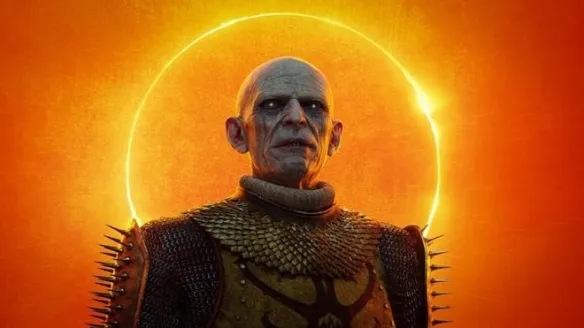
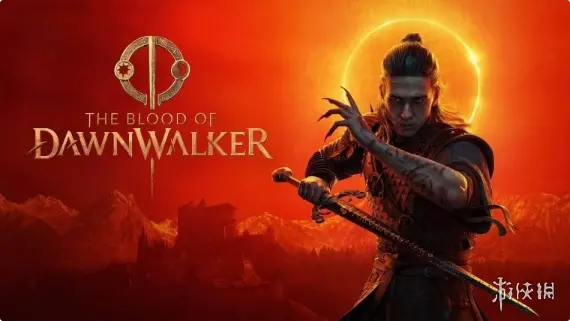
On May 6, 2026, Rebel Wolves — a studio formed by several veteran developers from CD Projekt’s The Witcher 3: Wild Hunt — shared more about its vampire-themed third-person RPG The Blood of Dawnwalker in a new interview. The project’s central design pillar is “free will and consequences,” and the team also confirmed it will not chase the oversized open-world model.
What stands out most is the way the game describes choice and feedback. For players who care about character arcs, choice is never just picking a line on a dialogue wheel; it only matters when the world pushes back. If The Blood of Dawnwalker can really make every decision trigger a real-time response across the game world, its biggest draw may not be the vampire premise itself, but the sense that players can leave a visible emotional mark on the story.

Characters are where this approach will live or die. Creative director Mateusz Tomaszkiewicz said he greatly admires how Baldur’s Gate 3 balances narrative experience with player freedom, and that The Blood of Dawnwalker is aiming for that same depth of involvement. That is a smart point of reference, because what players remember is rarely system complexity on its own. They remember why a character hates them, trusts them, or says something quiet that still lands hard. Freedom only feels meaningful when quest density and character reactivity can support it.
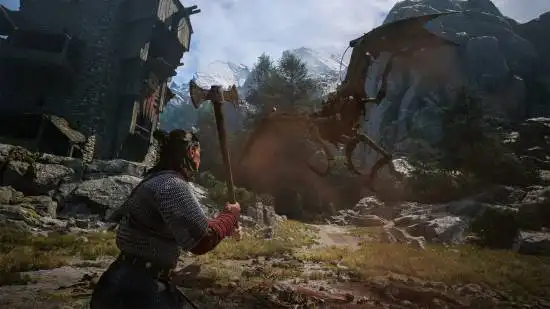
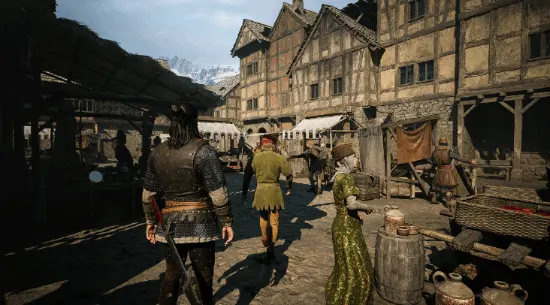
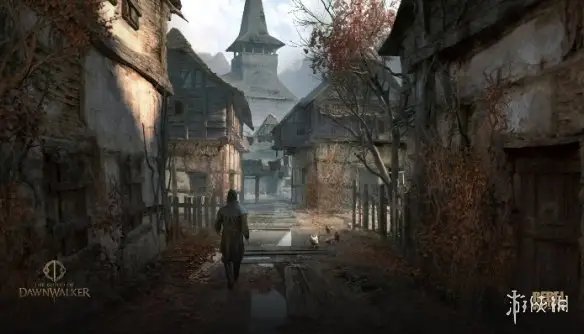
Just as important, Rebel Wolves is explicitly refusing the race for sheer map size. A lot of open worlds now offer endless surface-level connections but relatively few moments with real weight. The studio has cited the Gothic series as a reference, with the goal of building a compact space that is limited in size but rich in detail, dense with quests, and filled with vivid characters. Rebel Wolves also argues that a more moderate world size is better for maintaining narrative flow. That is easy to buy into: the map does not need to stretch forever if its streets, rooms, side quests, and chance encounters are strong enough to keep players invested.

The team also says every location, from side quests to exploration points, is being carefully designed to make sure players keep finding something interesting. That suggests the priority is not empty terrain for scale’s sake, but a smoother narrative experience. For story-focused players, cinematic impact does not come from piling up cutscenes; it comes from the chain reaction between places, characters, and consequences. A vampire setting is especially well suited to themes like desire, restraint, and fractured identity, so if the writing holds steady, the emotional tension could be strong.

Mateusz Tomaszkiewicz also said he is tired of games that are simply “too huge,” which is why this project is focusing on a cleaner, more refined, and emotionally tense cinematic experience. If you are also worn down by open worlds that are massive but hollow, The Blood of Dawnwalker is worth keeping an eye on. As a buying recommendation, I would lean toward waiting to see how the launch version performs, with two things to watch closely: first, whether choices keep affecting quests and characters over time rather than only changing a few lines of dialogue; second, whether the female cast and major supporting characters have believable motivations instead of being written as single-function roles. If it gets those two parts right, this could become the kind of RPG with a modest map but characters whose fate stays with you.
コメント 0
ご意見をお聞かせください
コメント欄へようこそ。このゲームの感想を聞かせてください。一番乗りにはうれしいことがあるかも。
コメントはまだありません。最初の一件をどうぞ。