ニュース
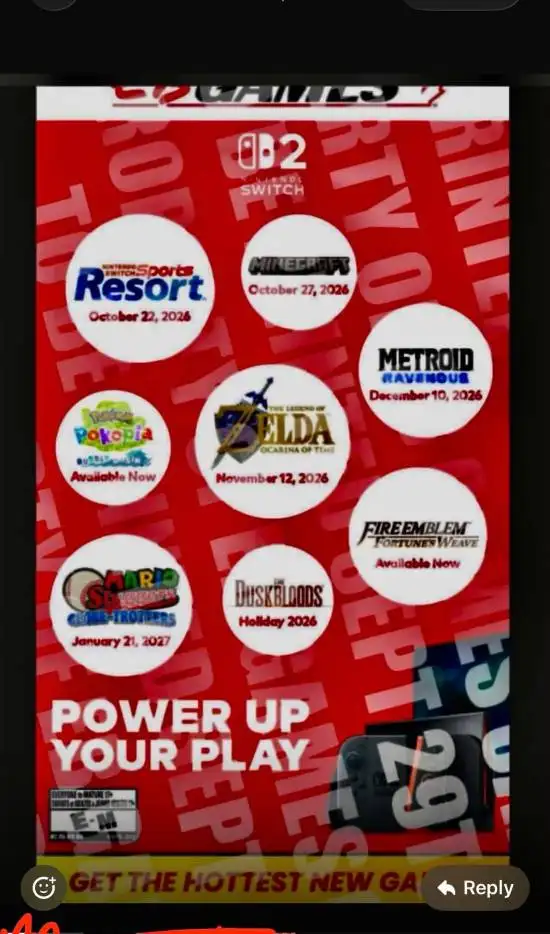
EB Games Leak Reveals Ocarina of Time Remake Release Date
A Reddit user claims an EB Games poster leaked several Switch 2 release dates, though the listing remains unverified. Ni
















Phantom Blade Zero has recently opened reservations on WeGame, and the platform's official page has put one line back in front of players: "no revenue share on the first RMB 10 million." The policy means WeGame takes no platform cut while a game's revenue stays within RMB 10 million, and the original report notes that this is not new. It has been part of WeGame's developer-support measures since 2021.
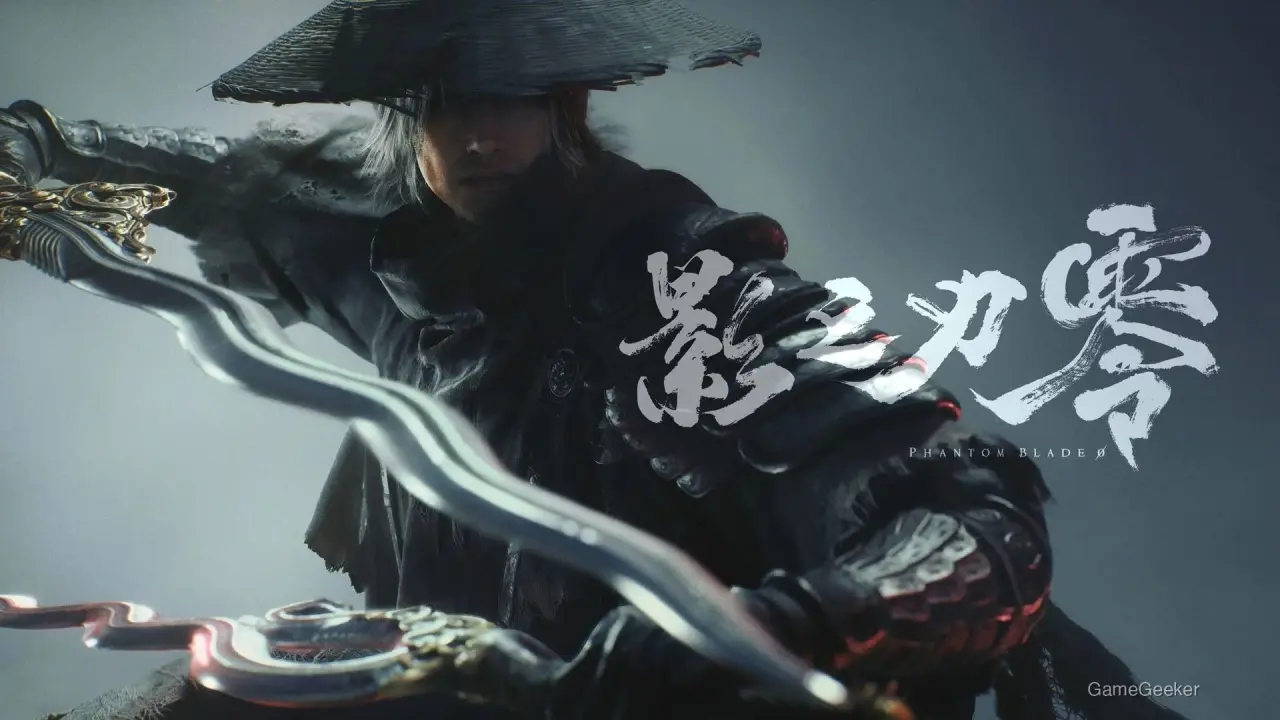
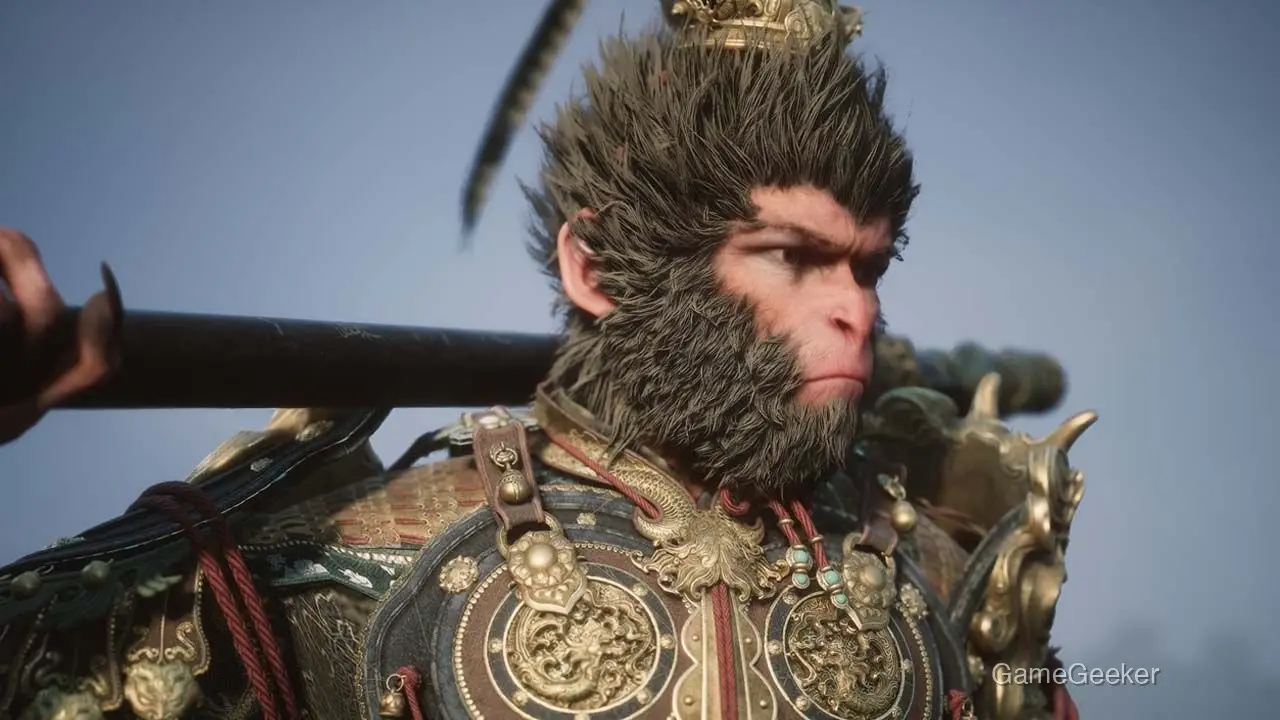
The timing is why players are talking about it again. Phantom Blade Zero is one of the Chinese single-player games currently drawing higher expectations, alongside Black Myth: Wukong. When a game with that profile sends players to a store page, the store's business terms stop being inside-baseball.
For independent studios and smaller teams, platform fees are not an abstract industry debate. They come after early development costs, marketing costs, and the general risk of launching a paid game into a crowded market. WeGame's policy waives that cut until revenue passes a defined threshold, giving developers more room to reinvest in the game.
That matters because many indie games are priced relatively low. Selling tens of thousands of copies, or even breaking 100,000, can already count as a strong result for many teams. Under the roughly 30% base revenue-share model long used by platforms such as Steam, a noticeable slice of that early cash flow disappears before the studio can put it into patches, optimization, or the next project.
By comparison, waiving the platform cut before revenue reaches RMB 10 million is more than a slogan for a smaller developer. It can cover a longer development cycle for some teams and reduce the cost of experimentation. The original argument is not that this alone fixes the publishing problem. It is that lower platform cuts, combined with publishing support, can make it easier for more worthwhile projects to reach the market.

The broader context is the growing attention around Chinese single-player games. Black Myth: Wukong and Phantom Blade Zero have helped convince players that domestic single-player development can aim at a higher production tier. If a platform can reduce pressure on developers at that stage, it may help the studios trying to build the next wave, not just the headline releases themselves.
Still, WeGame's own reputation remains part of the story. Past incidents continue to shape how players judge the platform, including the Monster Hunter: World delisting controversy, doubts around possible censorship of Black Myth: Wukong, and Mod compatibility problems involving games such as Stardew Valley.
Players are not only asking whether a store page lets them reserve a game or shows a favorable policy for developers. They also care about the buying experience, whether the version they buy is complete, community features, Mod support, and whether the platform can provide reliable long-term service.
That is where the comparison with Steam becomes difficult for WeGame. Steam's roughly 30% cut is often criticized, but Steam also has a massive global user base, mature community functions, the Workshop, and a well-established sales system. Those advantages were built over many years, and they are not replaced by one promotional line.
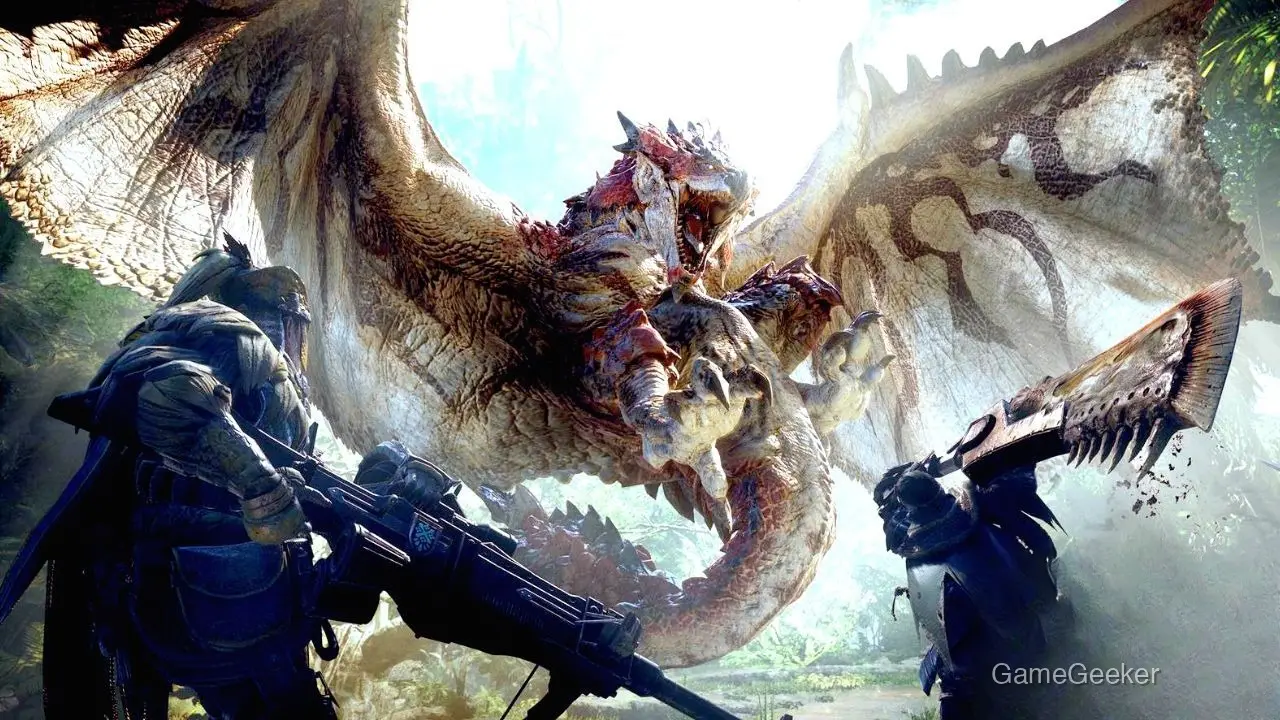
For players interested only in Phantom Blade Zero, the more practical move for now is to watch the reservation information and later version details. For developers that care about early revenue returning to the studio, WeGame's no-revenue-share policy is worth considering as part of a publishing plan.





コメント 0
ご意見をお聞かせください
コメント欄へようこそ。このゲームの感想を聞かせてください。一番乗りにはうれしいことがあるかも。
コメントはまだありません。最初の一件をどうぞ。