
ニュース
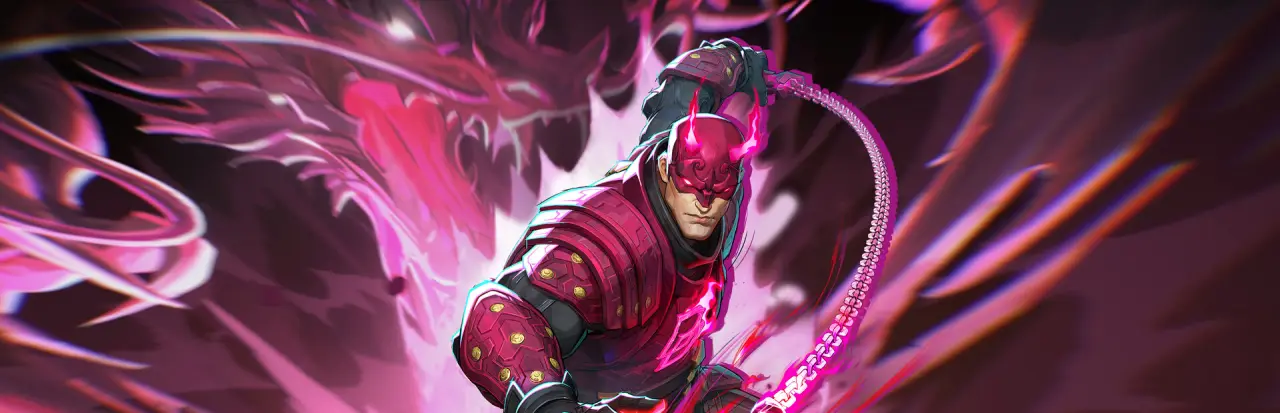
Bunny Garden 2 Adds Twin-Tail Lolita Roro in New Update
Bunny Garden 2's new 10-second trailer shows a twin-tailed lolita character in a sweet-yet-cutting promo. With six heroi













According to Windows Central reporter Jez Corden, Xbox is caught in a broader industry squeeze. New Xbox chief Asha Sharma wants to explore a return to console exclusives to revive a weakening platform ecosystem, but Microsoft’s wider priorities and a global memory and core-component shortage make that hard to execute in the near term. That pressure, the report says, could last until 2028.
For years, Xbox has moved away from the old exclusives-first model. Microsoft gradually brought major first-party series including Halo, Forza, Gears of War, and Fable to competing platforms. On paper, that can improve the numbers. In practice, it also chips away at what makes the Xbox platform distinct.

That tradeoff sits at the center of the argument. Microsoft has been chasing higher profit margins for its gaming business, which means weakening the traditional console approach of holding users through hardware and exclusive content. The result is a more open Xbox strategy, but also one that makes the platform look increasingly like a publisher label rather than a destination. Once there is no longer a clear reason players have to be on Xbox, they tend to drift toward ecosystems with more content and larger install bases. That creates a damaging loop: fewer users, more content leakage, and even less platform leverage.
From that perspective, Sharma’s interest in rebuilding exclusive value is not surprising. The report notes that during her time at Instacart, she put significant weight on exclusive partnerships and saw them as a direct competitive tool for strengthening a platform. Since taking over Xbox, she has reportedly shown interest more than once in testing a return to exclusives as a way to restore the platform’s identity. Corden states the point bluntly: Xbox needs exclusives. It is a harsh line, but it lands because it addresses the platform’s most obvious weakness.

The bigger issue is not whether Xbox wants exclusives, but whether it still has the conditions to support them. The report says global VRAM and core-component supply remains tight, while cloud giants such as Amazon, Google, and Microsoft Azure are absorbing large amounts of memory resources. That pushes up costs and puts pressure on consumer console production. More importantly, Microsoft is reportedly prioritizing a large share of memory supply for Azure to support AI and cloud services, leaving Xbox with fewer hardware resources. That tells you a lot about where Xbox sits in the company’s internal pecking order.

This is where the outlook turns bleak. The problem is not that Xbox fails to understand the value of exclusives. It is that even if it does, it may not be able to reclaim the resources needed to build around them. Under Satya Nadella, Microsoft’s cloud and office businesses are clearly higher-margin priorities. Hardware and long-cycle ecosystem maintenance are easier to push to the background. The article points to the decline of Windows Phone and Surface as examples of how Microsoft’s hardware focus has been weakened. The situations are not identical, but the pattern feels familiar: when top-level strategy loses conviction, execution lower down rarely has much room to recover.
For ordinary players, the practical takeaway is simple. Do not expect Xbox to reverse its fortunes overnight through exclusives. If you are buying a console now, it makes more sense to judge it by the current game library, subscription value, and where your friends already are, rather than betting on a strategic pivot that has not happened yet. The broader industry lesson is just as clear: openness can improve profits, but exclusive content is what gives a platform its identity. If Xbox keeps compromising with Steam, PlayStation, and other rivals, it risks becoming less a platform with its own pull and more a supplier on someone else’s shelf.




コメント 0
ご意見をお聞かせください
このゲームについての感想や評価をお寄せください。
コメントはまだありません。最初の一件をどうぞ。