
News
Grab two free PC games before Epic's clock runs out, while Undertale and Divinity: Original Sin 2 are 75% off
Astral Ascent and LUFTRAUSERS are free to keep today, while two of PC gaming's most celebrated RPGs cost less than $14 c
















Mundfish announced on May 2 that Atomic Heart has surpassed 10 million players worldwide, while confirming that the sequel will shift entirely to Unreal Engine 5 and adopt an open-world city as its setting. The final story DLC, Blood on Crystal, has officially launched, and the team is now deep into development on both Atomic Heart 2 and a new large-scale multiplayer RPG shooter titled The Cube.
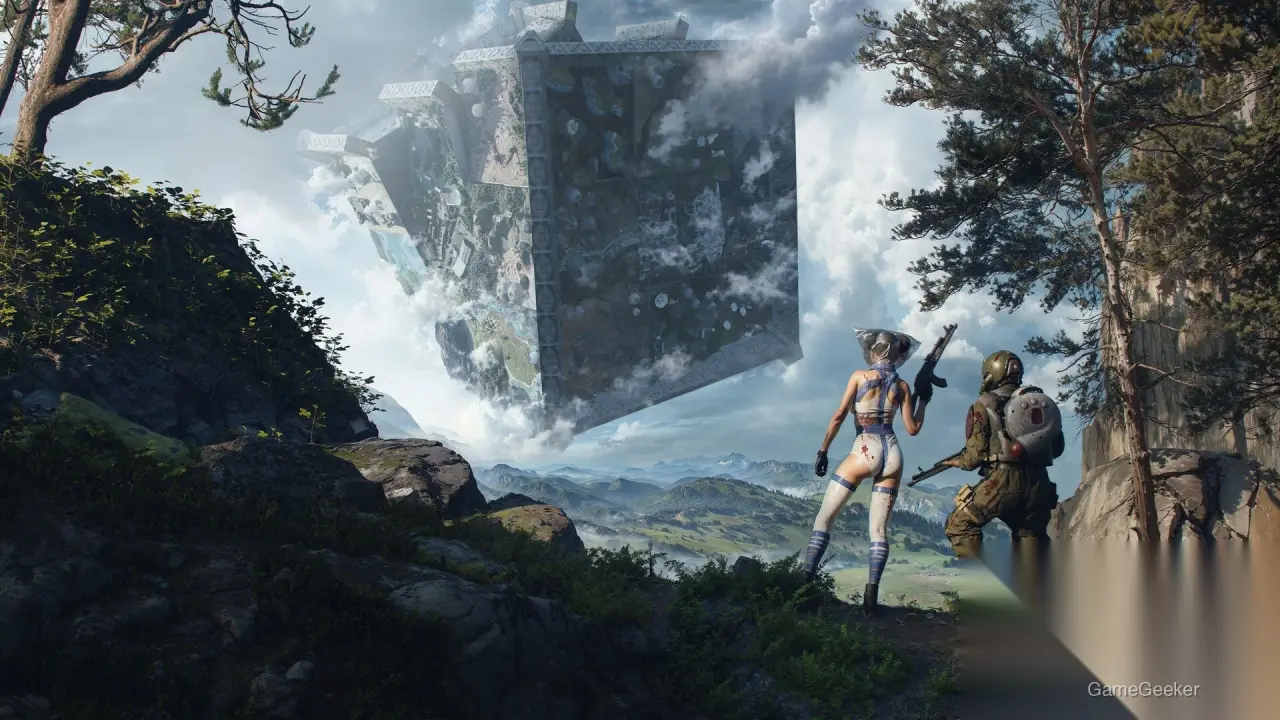
The engine switch signals a fundamental shift in storytelling approach. The original game's linear levels functioned like a road movie—you followed a set path, encountered enemies, listened to NPC monologues. Tight pacing, limited freedom. With UE5's Lumen global illumination and Nanite virtualized geometry, the sequel aims for a replayable retro-futurist metropolis. That demands a shift from linear script to networked narrative. Character appearances and dialogue triggers need complete redesign.

The "completely different development approach" Mundfish mentioned sounds like an admission of the first game's limitations. Those gorgeous Soviet-punk environments? Once you walked through them, they were gone. NPCs delivered their lines and became set dressing. Open worlds require characters to maintain presence on the player's second and third pass-through. That's a higher bar for writers than linear storytelling. You can't expect players to trigger events in sequence—fragmented dialogue still needs to form coherent character arcs.

The deeper question is whether deepening RPG systems will dilute the original's narrative density. Atomic Heart's appeal came from its refusal to explain itself—you got thrown into a mad world and had to keep moving. That pressure came directly from linear design. Once it becomes open-world, players can detour into side quests and material grinding anytime. Main story tension easily dissolves into lukewarm water. The team says they're deepening RPG systems, but they need to figure out how to balance free exploration with narrative momentum. The story can't become optional background noise.
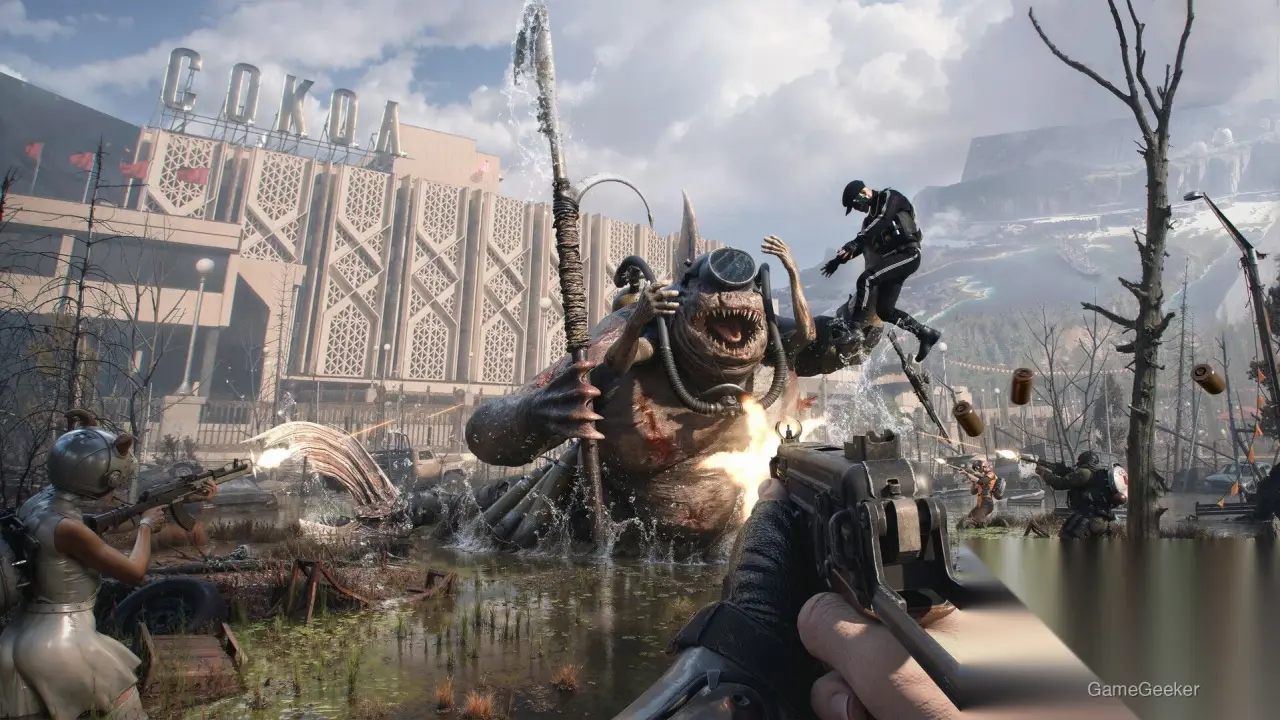
From a production standpoint, expanding player testing and strengthening production management are preparations for open-world complexity. The first game's "build-as-you-go" approach worked for linear design, but open worlds don't tolerate that. A single bug can trap players in an area. One poorly scripted dialogue trigger can break an entire questline. The technical upgrade is welcome, but whether the narrative can keep pace with the technology will determine if Atomic Heart 2 can stand on its own.





Comments 0
Share your game review
Join the discussion and share your review of this game.
No comments yet. Share your review.