
News
Elden Ring Cosplay Goes Full Post-Production, Is It Still Cosplay?
A Reddit user shared a Melina and Ranni cosplay from Elden Ring, with magic effects making it look close to the original
















Take-Two CEO Strauss Zelnick has given the clearest response yet to Civilization VII, speaking to Game File about the game’s reception and user data 15 months after launch. More importantly, he openly admitted the team misjudged the balance between innovation and the series’ core identity. In his view, the changes went too far, beyond what many players were willing to accept, and some of those ideas effectively “scared off” longtime fans. For a legacy strategy series, that says far more than the usual promise to keep improving things, because the issue is not just tuning numbers. It is a case of the franchise’s direction missing the mark.

From a player’s perspective, the backlash is easy to understand. The biggest risk for a long-running series is not simply making the map bigger, but breaking the familiar sense of discovery that kept people coming back. You start a Civilization game expecting that classic “one more turn” pull, then gradually realize the systems seem to be pushing you down a more prescribed path. The result is a loss of freedom in the moment-to-moment experience, and that matters more here than in most strategy games.
More than a year after release, Civilization 7 still sits at “Mixed” on Steam, which suggests the community’s hesitation has not really faded despite ongoing fixes. At the same time, Zelnick said the game remains a profitable project for Take-Two. That means this is not a commercial collapse. It is a game whose word of mouth and trust with its core audience have been damaged. For the publisher, profitability obviously matters. For a series built to last, though, the harder question is whether players still want to invest their time in it.
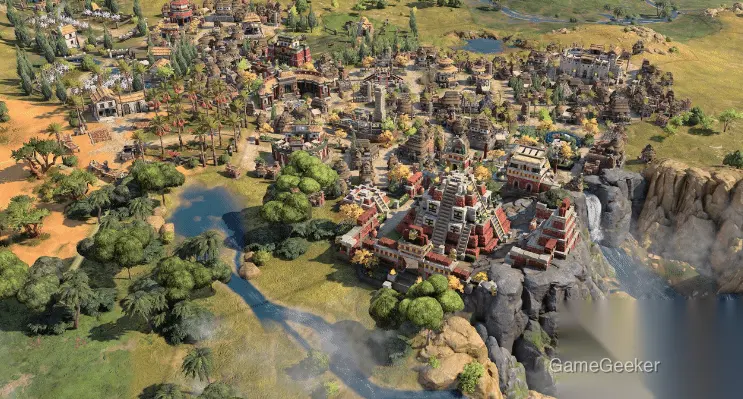
Step back a little, and this starts to look like a common trap for long-running franchises. In trying to prove a new entry is worth buying, developers can end up changing too much and flattening the very terrain that should have been preserved. That problem hits Civilization especially hard, because player attachment does not come only from winning or losing. It comes from the rhythm of probing, expanding, managing, and reflecting on each run. Once that familiar texture fades, even a polished new package will struggle to win people back quickly.
The good news is that the team is still trying to repair the situation. A major free update is planned for May 19, with more patches to follow. Zelnick also said, “the game itself is actually quite good. We’ll keep fixing it.” I’m willing to accept half of that for now: the foundation is not absent, but the road has been laid out poorly. Whether the updates can guide players back onto something that feels both familiar and fresh will depend on the actual experience after the patch lands.

If you’re a longtime Civilization player, the advice is straightforward: wait for community feedback after this free major update before deciding whether to return. Right now, the key issue is not whether the game is profitable. It is whether this world is still worth exploring one tile at a time. In a strategy game, the systems are the map. And what Civilization 7 needs most right now is to redraw the routes it lost.




Comments 0
Share your game review
Join the discussion and share your review of this game.
No comments yet. Share your review.