
News
Grab two free PC games before Epic's clock runs out, while Undertale and Divinity: Original Sin 2 are 75% off
Astral Ascent and LUFTRAUSERS are free to keep today, while two of PC gaming's most celebrated RPGs cost less than $14 c
















The last time I wandered into a bank in an open world game, it was still the kind of decorative building that existed only to hand in quests. But this time, after checking out the Crimson Desert hands-on impressions, I found that it had actually packed in banks, gold storage, and even venture capital. My first reaction wasn’t “this is complicated,” but more like casually zooming in on a district in Google Maps and suddenly realizing that even the alleys and underground passages are drawn in.
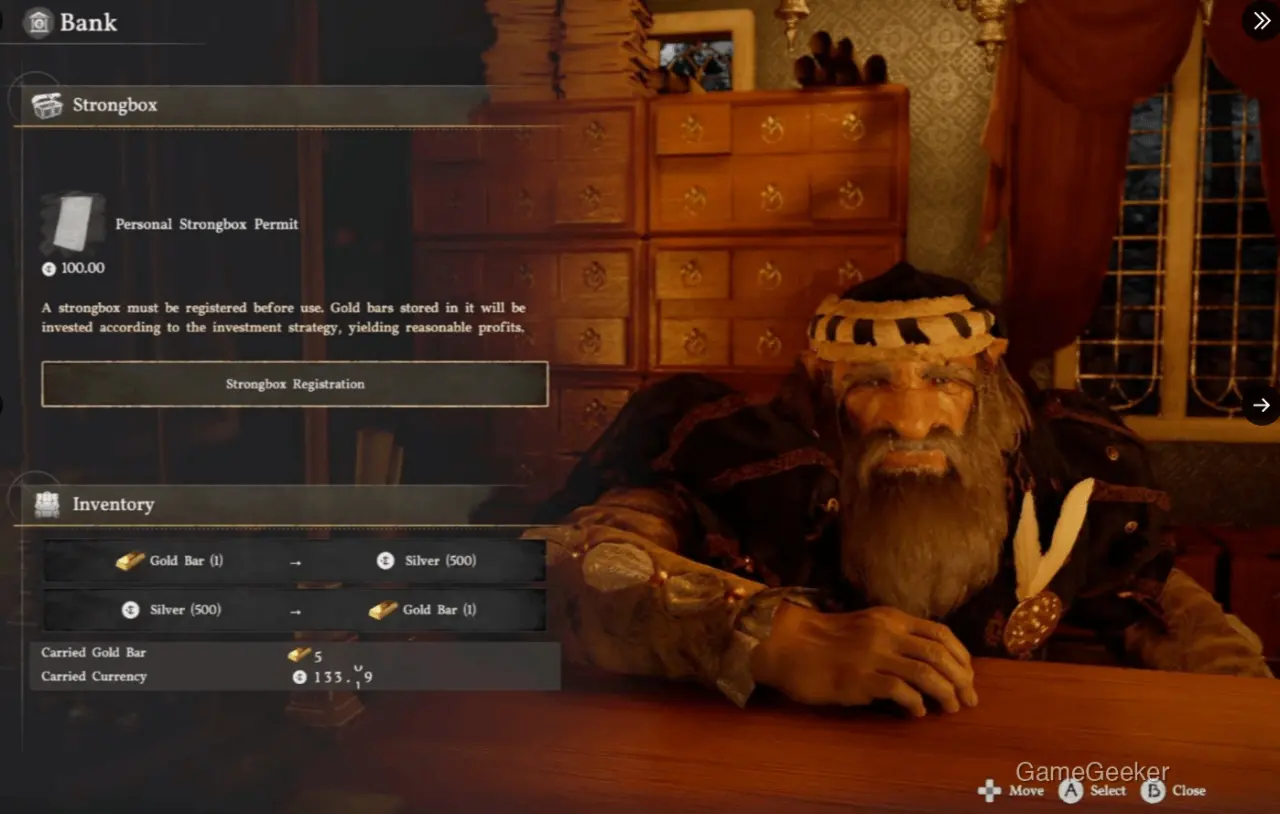
Lately, the sheer scale of Crimson Desert has already been a hot topic among players. Now the demo has further proven that what this game wants to build isn’t just a stage for running through the main story, but a world that can actually function. Among the information revealed so far, the most surprising part is just how complete its economic system seems to be: players can buy gold storage at a bank and also make other venture investments. Once that design came to light, the discussion shifted. It was no longer just “how big is the map,” but “can money in this world actually flow the way it does in real life?”
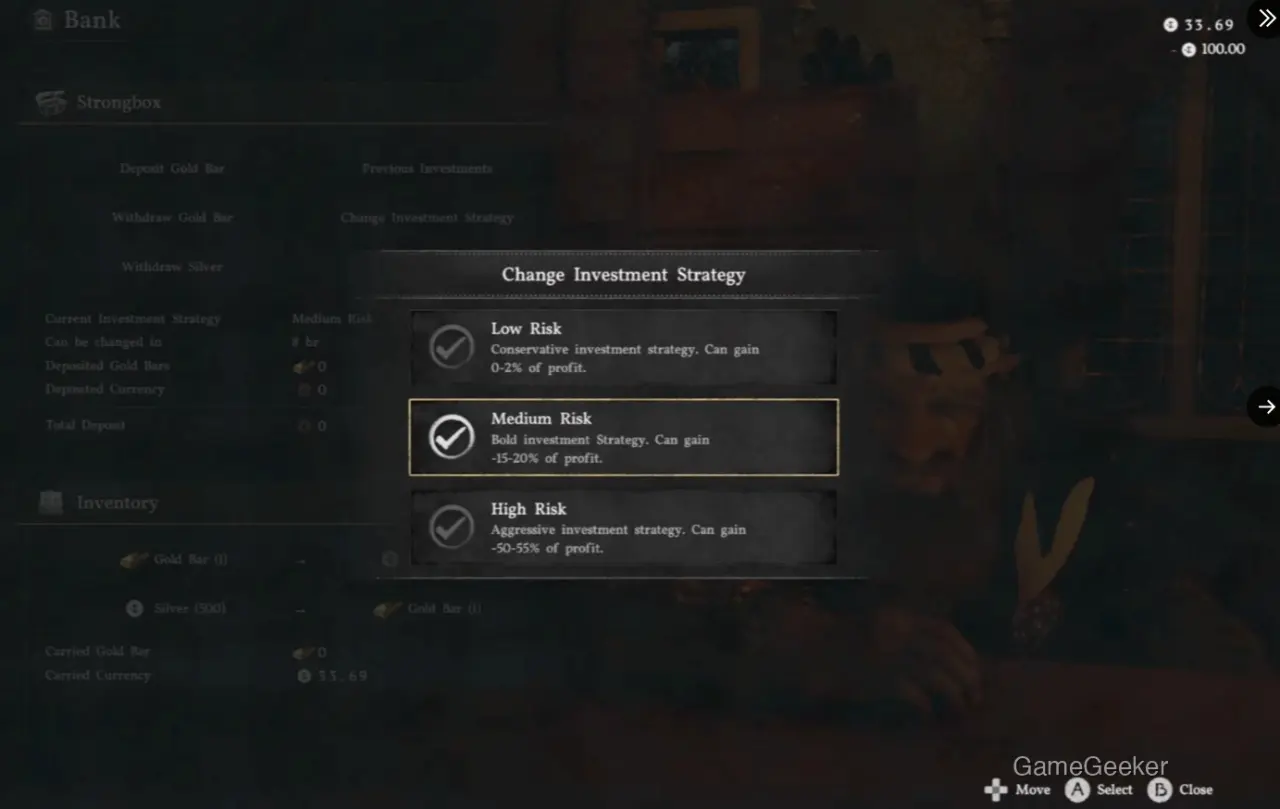
Seen from that angle, I’m honestly pretty excited. Because what’s the biggest fear with open world games? It’s when there are lots of cities and lots of shops, but once you walk in, there’s nothing there—like a travel map full of attractions that turn out to be fenced off when you arrive. This economic system in Crimson Desert at least shows one thing: it’s willing to go deeper with the “everyday life” layer of the world. Some players overseas have even remarked that you can pick up a bit of financial knowledge while playing, and that reaction itself says a lot—the sense of novelty it offers already goes beyond the usual action-adventure formula.
But beyond the map itself, I can also understand why another group of players feels annoyed. The article even included a direct poll, with very clear choices: one side felt that “the more complete the systems, the better,” while the other thought it was “boring, and as troublesome as an MMO.” Neither side is unreasonable. Sandbox players will treat systems like this as part of the reward for exploration and be willing to study the rules behind banks and investments; but if all you want is to move quickly through the game and push the story forward, then these features might feel like spreadsheet windows suddenly popping up by the roadside and breaking the pacing.

If you take a step back, you’ll notice this is actually part of a broader trend in open world games over the past few years: people are no longer satisfied with surface-level features like “towns, merchants, and currency,” and are starting to look for whether different systems can actually interlock with each other. Although the only details confirmed so far are gold storage and other venture investments, so we still can’t say how deep Crimson Desert will take this financial gameplay, it has at least sent a very strong signal—the world isn’t just there for fighting and traversing the map, it also wants you to take part in how it runs.
If you’re like me and can’t resist clicking on any unexplored function on the map, then Crimson Desert’s design is definitely worth keeping an eye on; but if you’re naturally allergic to overly complicated systems, it may be better to wait and see whether these features are optional electives or required parts of the main progression. For open world games, complexity has never really been the problem—emptiness is. And right now, Crimson Desert at least doesn’t look like a hollow map that only offers scenery.




Comments 0
Share your game review
Join the discussion and share your review of this game.
No comments yet. Share your review.