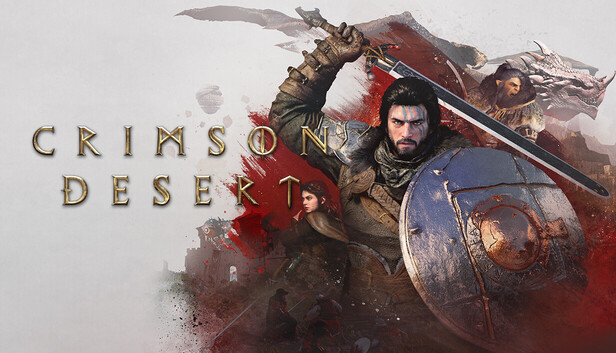
 Crimson Desert EnhancedFetching price~ $69.99
Popular PicksView All
123456789101112
12 Best Mystery Games on PC (2026)
12 Best Space Sim Games on Steam (2026)
12 Best Story-Rich Games to Play (2026)
12 Best Turn-Based Tactics Games on Steam (2026)
12 Best Puzzle Games on Steam (2026)
12 Best Games to Play with Friends on PC (2026)
12 Best JRPGs on Steam (2026)
12 Best City Builder Games on Steam (2026)
12 Best Zombie Games on Steam (2026)
12 Best Free Indie Games on Steam (2026)
12 Best Short Indie Games to Try (2026) — Done in One Evening
12 Best Cozy Games on Steam (2026)
Popular Games LikeView All
Games Like PowerWash Simulator - 12 Best Relaxing Cleaning and Restoration PicksGames Like Dave the Diver - 12 Best Diving, Cooking and Systems-Stacker PicksGames Like Road to Vostok - 12 Best Hardcore Survival Shooter PicksGames Like Path of Exile 2 - 12 Best Action RPG and Loot PicksGames Like Clair Obscur: Expedition 33 - 12 Best Turn-Based RPG PicksGames Like R.E.P.O. - 12 Best Co-op Horror PicksGames Like PEAK - 12 Best Co-op Climbing and Survival PicksGames Like Slay the Spire 2 - 12 Best Roguelike Deckbuilders to Play NextGames Like Mina the Hollower - 12 Best Top-Down Action and Zelda-Like PicksGames Like Baldur's Gate 3 - 12 Best CRPGs and Turn-Based RPGsGames Like Monster Hunter Wilds - 12 Best Co-op Hunting and Action RPG PicksGames Like Hollow Knight: Silksong - 12 Best Metroidvania Picks (2026)Games Like Final Fantasy VII Rebirth - 12 Best Action RPG & JRPG PicksGames Like Dead by Daylight - 12 Best Asymmetric & Co-op Horror PicksGames Like Forza Horizon 6 - 12 Best Open-World Racing & Driving Picks (2026)Games Like 007 First Light - 12 Best Stealth and Spy GamesGames Like Solarpunk - 12 Best Cozy Survival and Crafting GamesGames Like Subnautica 2 - 12 Best Underwater and Alien-World Survival GamesGames Like Lies of P - 12 Best Soulslikes to Play in 2026Games Like Hell Let Loose - 12 Best Tactical Milsim Shooters
Popular ReviewsView All

Mina the Hollower — Review

Clair Obscur: Expedition 33 — Review

Schrödinger's Call — Review

Resident Evil Requiem — Review

Shift At Midnight — Review

Mixtape — Review

Middle-earth™: Shadow of Mordor™ — Review

The Mermaid Mask — Review

MOLE — Review

Desktop Explorer — Review

Mad Max — Review

Go-Go Town! — Review

Dead as Disco — Review

Crushed In Time — Review

Beastro — Review

Moonlight Peaks — Review
Did the ad for *Crimson Desert* go viral? Do cooler visual effects really drive sales?
First, consider a key decision: before launch, should the marketing go all in on “realism” or on “memorability”? The live-action-plus-VFX ad that pushed Crimson Desert into the spotlight overseas this time is, in essence, a bet on the latter—like deliberately sacrificing a piece in an endgame to seize the initiative. The goal is not to prove how realistic the game is, but to capture players’ attention first.

From a systems-design perspective, the value of this kind of advertising has never really been in “faithfully reproducing the game’s content,” but in “creating emotional anchor points.” The known facts are already quite clear: Crimson Desert is about to launch, and a promotional ad using live action plus VFX has exploded in popularity overseas, with the original post even including a video and multiple screenshots for players to examine. Naturally, the debate followed: some think piling on visual effects is meaningless, because “it’s not real anyway”; others think the concept is stylish enough that, if the visual impact lands, it has already won half the battle.

When it comes to strategic depth, I can actually understand both sides. The former cares about information density—they want to know how the game actually plays, whether the systems are sophisticated enough, and whether the real gameplay footage looks stable. The latter cares about communication efficiency—if the ad can make people stop and watch for two extra seconds, then it has already done its job from a marketing standpoint. As someone like me who gets deeply hooked on Civilization and Total War, if a trailer only stirs emotion without offering useful information, that does feel a bit wasteful; but if the goal is simply to broaden the conversation, then this move has indeed been fairly effective.
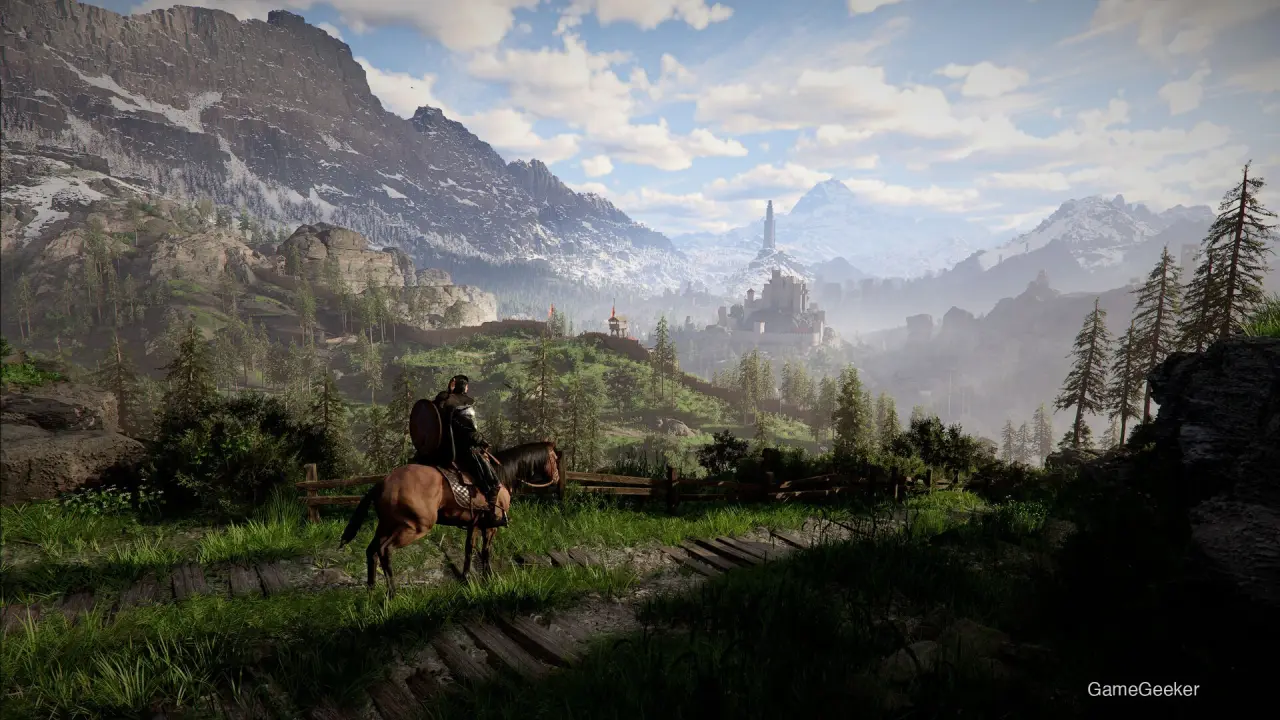
But the problem is that an ad’s popularity and a game’s reputation have never been decided by the same set of winning moves. A live-action VFX ad is more like a flashy opening gambit—whether it can translate into lasting praise still depends on whether the actual game content after launch can live up to it. The article even set up a poll with very direct options: on one side, “I’m numb to the effects; if it’s not real, it’s not interesting,” and on the other, “As long as it looks cool, that’s enough; whether it uses effects doesn’t matter.” This shows that the community divide is already out in the open: the publisher has won attention, but not yet trust.

If you’re just a casual onlooker, my advice is simple: keep an eye on follow-up news about Crimson Desert, but don’t make up your mind based on a single ad. An ad can prove that the creative team knows how to build hype, but it cannot prove that the combat, exploration, and overall gameplay loop will necessarily be excellent. On the other hand, if you were already following this game, then this wave of promotion at least shows that it is willing to proactively generate discussion before launch, and that its marketing cadence is on point.
Overall, the reason this Crimson Desert ad has sparked so much debate is not because it answered every question, but because it created division with precision. Some people see flashy tricks, some see atmosphere, and to me, it looks more like a high-risk probe: first heat up the board, then see whether the final product can pull the position back under control.
Crimson Desert EnhancedFetching price~ $69.99 Sid Meier’s Civilization® VIFetching price~ $59.99
 Total War: WARHAMMER IIIFetching price~ $59.99




Comments 0
We'd love to hear from you
Welcome! Share your take on this game — being first might come with a surprise.
No comments yet. Be the first!