
News
Bunny Garden 2 Adds Twin-Tail Lolita Roro in New Update
Bunny Garden 2's new 10-second trailer shows a twin-tailed lolita character in a sweet-yet-cutting promo. With six heroi














That old JRPG habit of needing 80 hours just to get going is kicking in again. When I see review scores for a new open-world title like this, my first reaction isn’t whether the score is high or low, but whether it’s worth sinking that much time into at launch. Media reviews for Crimson Desert have now officially gone live. On OpenCritic, it currently sits at 81, with an 81% recommendation rate from critics, earning a “Strong” label as well. This isn’t exactly the kind of explosive score that screams masterpiece, but it’s definitely not a danger sign either. It feels more like an upper-mid-tier game with huge ambitions.
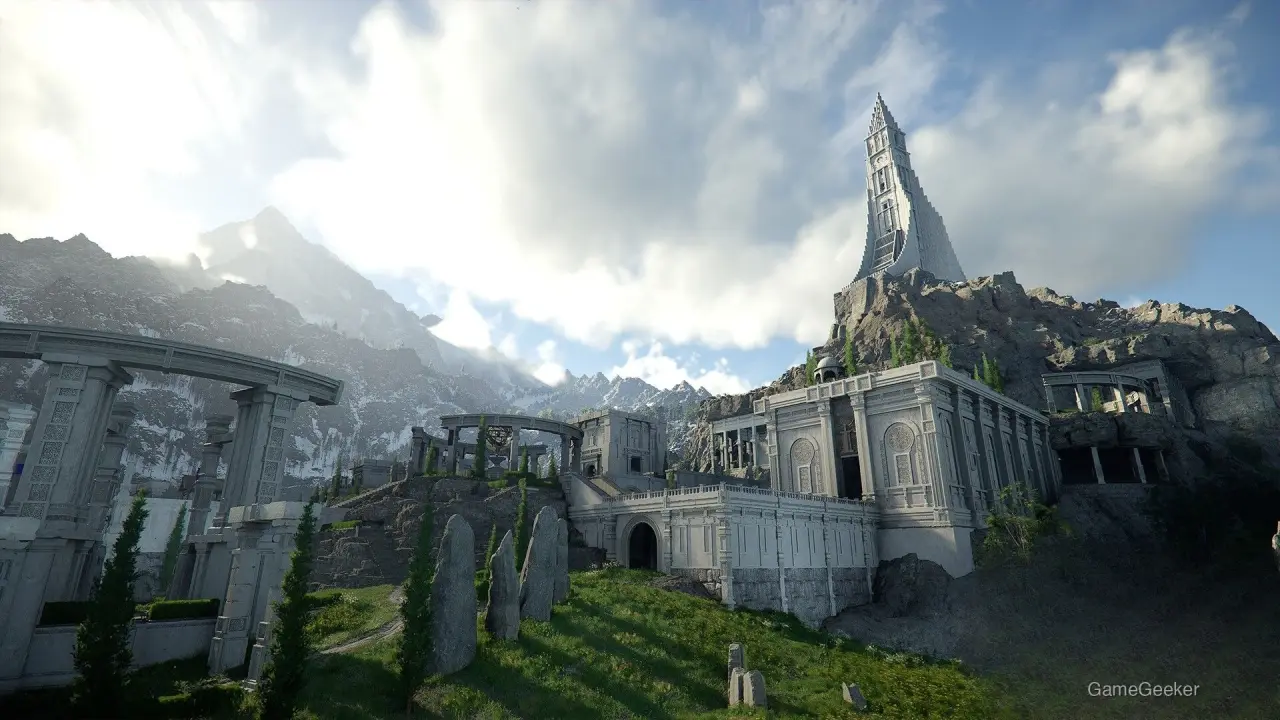
What’s interesting is that the differences in opinion across outlets are actually pretty telling. GameRant gave it an 8/10, saying it has one of the most impressive worlds in the industry, but the deeper you get, the more you have to accept playing by its rules. I immediately get what that means. It’s like certain hidden dungeons in JRPGs: the rewards are great, but the system forces you to move at the pace it was designed for. If you adapt, you’ll get hooked; if you don’t, it can get frustrating fast.
TheGamer gave it a 4/5 and was also fairly positive. The key takeaway was “ambitious” and “highly compelling,” but with quite a few inherent flaws overall. In other words, Crimson Desert doesn’t seem like the kind of game where every single part has been polished to perfection. It’s more like a giant mech with overwhelming firepower, but rough edges still sticking out all over it.

Unfortunately, the negative reviews aren’t baseless either. Eurogamer gave it a 3/5, acknowledging its massive world, MMO-like volume of activities, and excellent visuals, but felt it still came up short in character appeal, texture quality, and overall charm. VG247 also gave it a 3/5, and put it even more bluntly: in its launch state, the game’s best parts are buried under layers of messy execution. Put simply, you can see the good stuff is there, but you may not be able to consistently enjoy it.
As for the combat system, there still isn’t a particularly unified consensus in the public reviews so far. But judging from feedback like “the deeper you go, the more you have to play by its rules,” I’d assume for now that this isn’t the kind of game that feels instantly satisfying and easy for everyone to click with right away. For players who enjoy digging into systems, that could be a plus; for those who just want a smooth, relaxed playthrough, it could just as easily become a barrier.

On the collectible side, although the current wave of reviews hasn’t broken things down in detail like compendiums, hidden content, or side quest density, several outlets repeatedly brought up its “open world,” “volume of activities,” and the fact that it gets “more complex the deeper you go.” At the very least, that suggests Crimson Desert isn’t some shallow piece of fast-food content you can see through at a glance. Like the crystal-themed variations in the Final Fantasy series, the first layer is the scenery, while the second layer is the systems and structure. Games like this often demand a lot of patience from day-one players.
If you ask me whether it’s worth buying, my conclusion is simple: if you like open-world exploration, can accept strong designer-driven guidance, and are willing to put up with some flaws, then it may be worth getting at launch; if you care more about character appeal, smooth progression, or you’re especially wary of that half-finished vibe, then I’d suggest waiting for more feedback from the player community after release. After all, 81 is a pretty subtle kind of score. It means about 80% of critics are willing to recommend it, but it also means it’s still not quite at the level of a no-brainer day-one purchase.

At the end of the GameSky article, there’s also a poll now, and the question is very straightforward: after seeing OpenCritic’s 81% recommendation rate, would you buy Crimson Desert at launch? The two options are pretty representative too. One is, “That’s lower than I expected, so I’ll wait,” and the other is, “I’m in! If 80% of critics recommend it, what more is there to say?”
My own answer lands somewhere in the middle: I’m not writing it off, but I’m not rushing in blindly either. For the right audience, it could be the kind of game they absolutely fall in love with; for the wrong audience, its rules will probably push them away pretty quickly.



Comments 0
Share your game review
Join the discussion and share your review of this game.
No comments yet. Share your review.