News
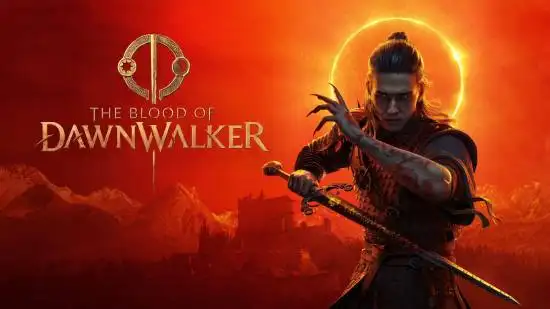
The Blood of Dawnwalker Is Out Now and Tops Steam's Best Sellers
The Blood of Dawnwalker tops Steam’s global best-sellers chart, excluding free games, after its official unlock. Led by
















The sound of footsteps crawls along the wall through your headset, your crosshair fixed at the edge of the smoke, but your fingers feel glued in place by cold sweat. The scariest moment in an FPS isn’t when a monster jumps in your face, but when you know the enemy is right there, just one pixel away—whoever sees clearly first survives. The oppressive tension of VALORANT often feels like a long take in a psychological horror film: eerily quiet, yet ready to explode at any second.

That’s also why DRG VALORANT’s qualification for the playoffs in the 2026 VALORANT VCT CN Stage 1 Regular Season is worth a closer look. They won the key match in the OMEGA group’s final featured showdown and ultimately secured third place in the group. That placement isn’t just a coordinate on the qualification chart—it feels more like finally finding the handle to the safe room in a horror game, only to realize there’s even deeper darkness behind the door.
What makes it even more unsettling is that VALORANT doesn’t give players the luxury of slowly adapting to fear. It emphasizes split-second reactions, precise aim, and tight tactical coordination, where even the slightest delay is like a light suddenly going out at the end of a hallway. The instant angles are swung, information capture, image clarity, refresh rate, and response time can all push a gunfight toward a completely different outcome.

The equipment partnership behind DRG this time is interesting as well. Samsung Odyssey gaming monitors are the official partner of DRG VALORANT for 2026, and the article notes that they support the team’s training and match needs through display technology, performance, and speed. To sneer a little, the scariest thing in the esports peripheral world is hollow marketing that only knows how to shout “used by the pros,” but this time at least, some hard specs are actually on the table.
Take the Samsung Odyssey G60SF, for example. It supports a 500Hz refresh rate, 0.03ms gray-to-gray response time, and is compatible with both G-Sync and AMD FreeSync Premium Pro. It also comes with a QD-OLED screen, featuring 1000nit peak brightness, QHD resolution, and anti-glare technology. For VALORANT players, the value of specs like these isn’t in “more dazzling visuals,” but in making sure that during smoke fights, sudden stops, and peeks, motion blur doesn’t smear your judgment like a ghostly afterimage.

If you’re not purely focused on competitive play, the G81SF leans more toward all-around versatility. It features 4K resolution, a 240Hz anti-glare OLED screen, 1000nit peak brightness, 99% DCI-P3 color gamut coverage, and a 0.03ms response time. In other words, it can handle high-intensity shooters while also satisfying single-player gamers who care about visual atmosphere. As someone who plays horror games, I care more about shadow detail—after all, darkness isn’t just a lump of black ink; what’s hidden inside the dark is what really gets you.

The Samsung G93SD takes a different path: a 49-inch ultra-wide OLED curved screen with DQHD, or 5120x1440 resolution, and a 32:9 aspect ratio that feels like it rips your field of view wide open. The G75F, meanwhile, focuses on a large curved design and a range of size options, leaning toward immersive visuals and high-speed operational performance. The buying advice is simple: if your only goal is climbing ranks in VALORANT, prioritize high refresh rates and response time; if you also want to enjoy AAA titles, horror games, and multimedia, then consider a 4K OLED or ultra-wide curved display.
Looking back, DRG making the playoffs actually reflects a broader trend: the relationship between esports teams and hardware manufacturers is shifting from simply slapping on logos to refining products in reverse through competitive use. IDC data shows that in 2025, Samsung ranked first in the global gaming monitor market for the seventh consecutive year with an 18.9% market share, and also ranked first globally in the OLED gaming monitor market for the third consecutive year with a 26% share. The stage is like a dark laboratory, where every mistake and every victory forces the hardware to keep evolving.

But what really unsettles me isn’t the specs—it’s the increasingly brutal threshold of projects like VALORANT. We used to talk about game sense, aim, and coordination; now even millisecond-level differences in display equipment have been dragged onto the battlefield. DRG has already entered the playoffs. The lights are brighter, but the shadows run deeper. What awaits them next is not monsters, but a pack of hunters staring just as hard at every frame for the slightest opening.



Comments 0
We'd love to hear from you
Welcome! Share your take on this game — being first might come with a surprise.
No comments yet. Be the first!