News
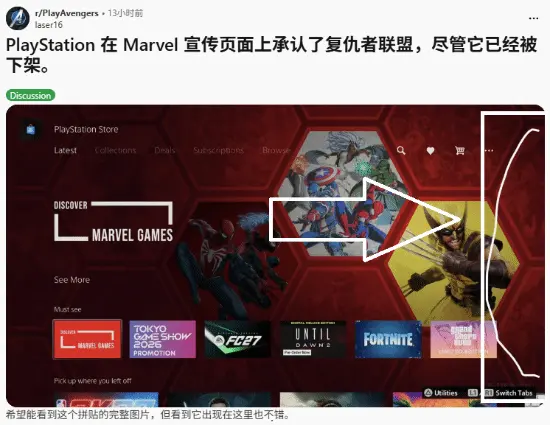
After 3 Years Offline, Marvel's Avengers Accidentally Appears on a PS Collection Cover, Sparking Debate
September 12 saw Marvel’s Avengers on a PS Store Marvel bundle cover—likely oversight—three years offline. Marvel’s Wolv
















Flare & Shadow: 33rd Expedition moved 800 million copies in its first year—a figure that puts plenty of veteran studios to shame, especially considering Sandfall Interactive is a startup and this is their debut title.

What's striking is Circana analyst Mat Piscatella's take: the game sold this well because it launched day-one on Xbox Game Pass, not in spite of it. That flips the usual narrative about subscription services cannibalizing sales. His logic holds up—players sample the game for free in the subscription library, get hooked, then buy the full version on Steam or gift it to friends. Sea of Thieves and Starfield followed the same trajectory, with the former still pulling revenue across platforms.

Not every developer buys in, though. Larian Studios director Swen Vincke has made it clear Baldur's Gate 3 will never join a subscription service—they trust the direct-to-player model more. Fair enough. AAA blockbusters already have the pull; they don't need a subscription platform's traffic funnel to ignite sales.

But beyond the big names, there are teams like Sandfall Interactive. For them, subscription services work like a free ticket into players' living rooms—without it, Flare & Shadow might never have been noticed at all. So is subscription a booster or a grinder? Depends where you stand. For explorers, Game Pass is an endless treasure cave. For developers, you need to gauge whether your game can convert trial players into buyers after they've had a taste.
Step back and the real question emerges: what are players willing to pay for? Ownership of a game, or access to an experience? Flare & Shadow's 800 million sales offer one answer, but it clearly doesn't fit everyone.




Comments 0
Share your game review
Join the discussion and share your review of this game.
No comments yet. Share your review.