 On saleFableFetching price~ $69.99-8%
Popular PicksView All
123456789101112
12 Best Mystery Games on PC (2026)
12 Best Space Sim Games on Steam (2026)
12 Best Story-Rich Games to Play (2026)
12 Best Turn-Based Tactics Games on Steam (2026)
12 Best Puzzle Games on Steam (2026)
12 Best Games to Play with Friends on PC (2026)
12 Best JRPGs on Steam (2026)
12 Best City Builder Games on Steam (2026)
12 Best Zombie Games on Steam (2026)
12 Best Free Indie Games on Steam (2026)
12 Best Short Indie Games to Try (2026) — Done in One Evening
12 Best Cozy Games on Steam (2026)
Popular Games LikeView All
Games Like PowerWash Simulator - 12 Best Relaxing Cleaning and Restoration PicksGames Like Dave the Diver - 12 Best Diving, Cooking and Systems-Stacker PicksGames Like Road to Vostok - 12 Best Hardcore Survival Shooter PicksGames Like Path of Exile 2 - 12 Best Action RPG and Loot PicksGames Like Clair Obscur: Expedition 33 - 12 Best Turn-Based RPG PicksGames Like R.E.P.O. - 12 Best Co-op Horror PicksGames Like PEAK - 12 Best Co-op Climbing and Survival PicksGames Like Slay the Spire 2 - 12 Best Roguelike Deckbuilders to Play NextGames Like Mina the Hollower - 12 Best Top-Down Action and Zelda-Like PicksGames Like Baldur's Gate 3 - 12 Best CRPGs and Turn-Based RPGsGames Like Monster Hunter Wilds - 12 Best Co-op Hunting and Action RPG PicksGames Like Hollow Knight: Silksong - 12 Best Metroidvania Picks (2026)Games Like Final Fantasy VII Rebirth - 12 Best Action RPG & JRPG PicksGames Like Dead by Daylight - 12 Best Asymmetric & Co-op Horror PicksGames Like Forza Horizon 6 - 12 Best Open-World Racing & Driving Picks (2026)Games Like 007 First Light - 12 Best Stealth and Spy GamesGames Like Solarpunk - 12 Best Cozy Survival and Crafting GamesGames Like Subnautica 2 - 12 Best Underwater and Alien-World Survival GamesGames Like Lies of P - 12 Best Soulslikes to Play in 2026Games Like Hell Let Loose - 12 Best Tactical Milsim Shooters
Popular ReviewsView All

Mina the Hollower — Review

Clair Obscur: Expedition 33 — Review

Schrödinger's Call — Review

Resident Evil Requiem — Review

Shift At Midnight — Review

Mixtape — Review

Middle-earth™: Shadow of Mordor™ — Review

The Mermaid Mask — Review

MOLE — Review

Desktop Explorer — Review

Mad Max — Review

Go-Go Town! — Review

Dead as Disco — Review

Crushed In Time — Review

Beastro — Review

Moonlight Peaks — Review
Fable Isn't Fable 4 and Its Player Freedom Looks Seriously Wild
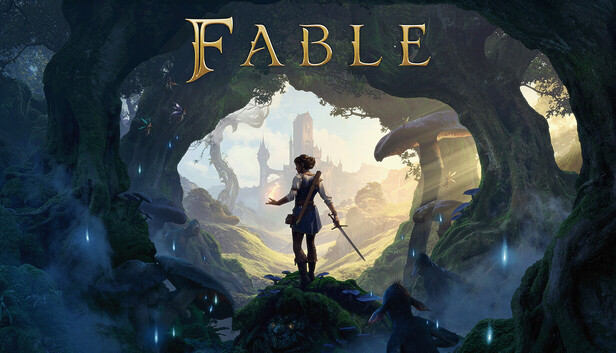
GamesRadar-style takeaway from Summer Game Fest: Fable is not Fable 4. In a June 10, 2026 report, Gamersky said it interviewed Playground’s associate game directors Will Kennedy and Craig Littler on-site and watched a new gameplay demo confirming both a Quality mode and a Performance mode. The more important reveal is structural: this is a new interpretation of Fable, not a numbered sequel leaning on continuity.
Playground was explicit. The new game has no direct story or worldbuilding connection to earlier entries, even if it keeps the classic elements the team believes define the series. Rather than leaning on a number, this version of Fable seems intent on rebuilding the series around what Playground sees as the series’ identity. The real question is whether it still feels like Fable.

The clearest example so far is the reputation system. Reputation is tracked by individual settlement, so becoming beloved in one town means nothing the moment you arrive somewhere new and start again from zero. It ties into multiple other systems: character experience, NPC attitudes, shop discounts, willingness to accompany you, business income, and even personal relationships. The game is not handing down a single universal judgment on the player. Different places, and different people, can see you very differently.

It also points to one of the game’s more interesting updates: a modernized morality system. Playground frames moral judgment as something more modern than a simple good-or-evil binary, filtered through each NPC’s own position and values. If you are caught stealing, you can build a thief reputation, but that does not mean universal rejection. In regions such as Sunderlands and Vladston, more NPCs may be willing to accept that kind of behavior. That makes the world feel more socially specific. Instead of the system declaring that you are "bad," society responds in uneven, sometimes contradictory ways.

Playground is making equally big promises around NPCs. It says players can interact with thousands of carefully designed NPCs, each with a unique voice, profession, identity, and social relationships. The dating system is not built from a single template either. Different NPCs have different personalities, likes, and dislikes, so gifts can lead to different outcomes and affect later relationships. The property system is not just about passive income: settlements have population systems, and buying up every house then raising rents will affect the whole town, changing NPC opinion, relationships, and even your chances of forming new relationships.

Playground’s stance on player behavior is just as revealing. The team flatly said that if you want to stay in the blacksmith’s shop and farm resources indefinitely, that is "completely fine" from a mechanics standpoint. That suggests a game more interested in letting players push at its systems than constantly restrict them. Add dynamic day-night cycles, dynamic weather, hundreds of shops across Albion, many of them bespoke stores, and horse travel mainly positioned as a fun exploration tool, and the direction looks fairly clear: this Fable wants to be reactive, flexible, and a little unruly.
A few smaller details also stand out. The protagonist, as a "Hero," is presented in the story and world as someone who gives off a distinct aura and glow, immediately recognizable to nearby NPCs. Character creation includes body type, skin tone, face shape, hairstyle, and even voice selection. Once you own houses and businesses, you can adjust appearance options such as face shape, hairstyle, body type, skin tone, and clothing in the relevant areas. There is also a town crier system that lets players spend large amounts of gold to spread false claims and reshape how others talk about their reputation, though it will not make everyone forget the past. And yes, the small door on the tavern is specifically for the pig Colin, with more Colin-related items and content planned for the full release.
So what should players take from this? If you are waiting for a traditional numbered sequel, reset your expectations. This is not Fable 4; it is Playground’s own Fable, built on its own terms, and the studio said it has not yet discussed the game with former series creative Peter Molyneux. But if you like games where NPC feedback matters, where choices ripple across property, reputation, and relationships, and where social consequences are part of the sandbox, this is worth watching. Playground is still holding back main story details until closer to launch, and it did not directly clarify multilingual voice support beyond saying the preorder page will list full version and language information. Cautious players can wait for that next round of pre-release details before deciding whether to jump in on day one.
On saleFableFetching price~ $69.99-8% Fable - The Lost ChaptersFetching price~ $9.99
 Fable AnniversaryFetching price~ $34.99




Comments 0
Share your game review
Join the discussion and share your review of this game.
No comments yet. Share your review.