 Grand Theft Auto V Enhanced
Popular PicksView All
123456789101112
10 Best Short-Level Precision Platformers for Focused Movement Practice
10 Best Single-Player Underwater Adventure Games
10 Best Fantasy Shopkeeping Games for Crafting and Trading
10 Best Single-Player Escape-Room Puzzle Games
10 Best Sokoban Games with Creative Twists
10 Best Programming Puzzle Games in 2026: Visual Logic, Bots, and Assembly
10 Best Railway Network Management Games in 2026
10 Best Single-Player Photography Exploration Games in 2026
10 Best Single-Player Monster Taming Games in 2026
10 Best Immersive Sim Games on Steam (2026)
7 Best Time-Loop Mystery Games for Exploration, Dialogue and Deduction
7 Best Fictional Language Deciphering Puzzle Games in 2026
Popular Games LikeView All
Games Like PowerWash Simulator - 12 Best Relaxing Cleaning and Restoration PicksGames Like Dave the Diver - 12 Best Diving, Cooking and Systems-Stacker PicksGames Like Road to Vostok - 12 Best Hardcore Survival Shooter PicksGames Like Path of Exile 2 - 12 Best Action RPG and Loot PicksGames Like Clair Obscur: Expedition 33 - 12 Best Turn-Based RPG PicksGames Like R.E.P.O. - 12 Best Co-op Horror PicksGames Like PEAK - 12 Best Co-op Climbing and Survival PicksGames Like Slay the Spire 2 - 12 Best Roguelike Deckbuilders to Play NextGames Like Mina the Hollower - 12 Best Top-Down Action and Zelda-Like PicksGames Like Baldur's Gate 3 - 12 Best CRPGs and Turn-Based RPGsGames Like Monster Hunter Wilds - 12 Best Co-op Hunting and Action RPG PicksGames Like Hollow Knight: Silksong - 12 Best Metroidvania Picks (2026)Games Like Final Fantasy VII Rebirth - 12 Best Action RPG & JRPG PicksGames Like Dead by Daylight - 12 Best Asymmetric & Co-op Horror PicksGames Like Forza Horizon 6 - 12 Best Open-World Racing & Driving Picks (2026)Games Like 007 First Light - 12 Best Stealth and Spy GamesGames Like Solarpunk - 12 Best Cozy Survival and Crafting GamesGames Like Subnautica 2 - 12 Best Underwater and Alien-World Survival GamesGames Like Lies of P - 12 Best Soulslikes to Play in 2026Games Like Hell Let Loose - 12 Best Tactical Milsim Shooters
Popular ReviewsView All

Mina the Hollower — Review

Clair Obscur: Expedition 33 — Review

Schrödinger's Call — Review

Resident Evil Requiem — Review

Shift At Midnight — Review

Mixtape — Review

Middle-earth™: Shadow of Mordor™ — Review

The Mermaid Mask — Review

MOLE — Review

Desktop Explorer — Review

Mad Max — Review

Go-Go Town! — Review

Dead as Disco — Review

Crushed In Time — Review

Beastro — Review

Moonlight Peaks — Review
A Ridiculous Plot Even *GTA6* Couldn't Write: A 300,000 Deposit on a Ferrari Vanished
Let’s start with the most glaring design flaw: the money was paid, the car was queued, and then the system tells you, “The order object has disappeared.” If this were in an indie game, I’d praise it as brutally effective dark humor; but in real life, all that’s left is absurdity and regret.

The incident itself is not complicated. In June 2024, Ms. Tang signed a car purchase contract with a Ferrari authorized dealer in Shenyang for a Ferrari priced at about 3.86 million yuan. She first paid 300,000 yuan, with delivery agreed within 13 months. But not long after the contract was signed, the dealer was exposed for cash flow problems and even proposed that she voluntarily apply for a refund.
And that is exactly where the problem got stuck. A voluntary refund sounds like “giving you a way out,” but from a consumer’s perspective, it looks very much like the nastiest branch option in an indie game: click it, and you might be handing over your leverage as well. Ms. Tang worried that voluntarily requesting a refund might be deemed a breach of contract on her part, so she hoped the other party would first sign a refund agreement to protect her rights, but this was refused.
In January 2025, the Shenyang dealer involved officially went bankrupt. The store was then taken over by a Ferrari dealer in Hefei through an asset acquisition. And here comes the key point: taking over assets does not mean taking on the debts as well. The new store directly cut off responsibility on the grounds that it was “unrelated to the original debts,” and Ferrari China also stated that the matter had nothing to do with itself.
This feels a lot like some highly creative pixel-art miniatures: each mechanic looks fine on its own, but once they’re pieced together, the player suddenly realizes they’re stuck in the cracks of the rules. The trust brought by brand authorization is real, and the layers of responsibility-cutting after something goes wrong are real too. Ms. Tang herself also mentioned that she had ordered Ferraris multiple times before, and it was precisely based on this trust in the brand and sales channel that she placed the order.

Interestingly, the Hefei dealer later produced a tripartite agreement, saying it was willing to take over delivery of the vehicle, but requiring her to stop disclosing the dispute after signing it. After consulting a lawyer, Ms. Tang believed the agreement still did not sufficiently protect her rights and interests, so she did not sign it. After the three-party negotiation failed, she was then told that the vehicle she had originally ordered had already been sold, and that she had also been removed from the owners’ group.
At this point, my first reaction was not that luxury cars are too far removed from my life, but that the risks of prepaid consumption are actually very close to everyone. It’s just that this time the amount is larger, the brand is louder, and the problem is more eye-catching. Unfortunately, in many high-priced consumption scenarios, what consumers trust is often the storefront, the authorization, and the sales pitch; but when it finally comes down to what is written on paper, the protection may not be solid enough.
If I were to give one very practical suggestion, I would make three points. First, for large deposits, make sure refund conditions, liability for breach, and delivery milestones are explicitly fixed in writing. Second, when the other party shows signs of abnormal operations, do not easily accept verbal proposals. Third, when it involves a “store transfer takeover,” first check whether legal liability has been clearly carried over, rather than just listening to a simple “we’ll communicate about it.”
At present, Ms. Tang has written to Ferrari’s global headquarters seeking help. Ferrari China customer service responded that it would verify the situation and urge the new store to communicate with her. The matter has not yet reached its conclusion, but from an observer’s perspective, this is no longer just a question of where one car went; it is about whether consumers should really be left to grope their way through the dark to clear the level when it comes to the boundaries of responsibility within a brand system.
Grand Theft Auto V Enhanced Grand Theft Auto IV: The Complete Edition
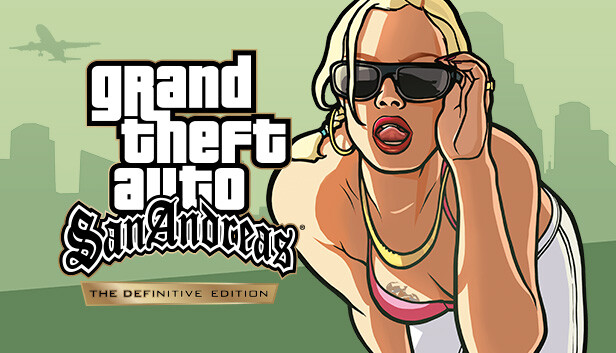 Grand Theft Auto: San Andreas – The Definitive Edition~ $59.99Loading store offers
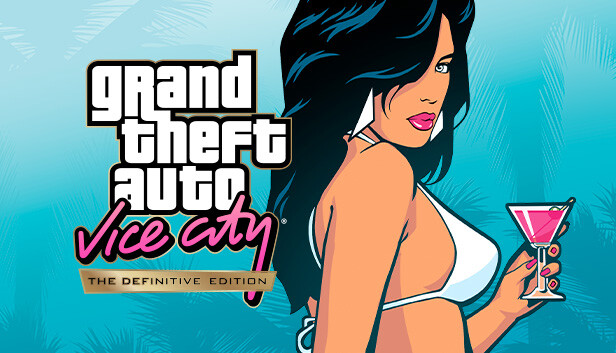 Grand Theft Auto: Vice City – The Definitive Edition~ $59.99Loading store offers
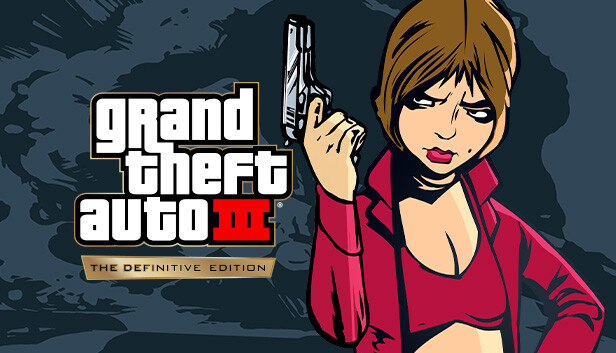 Grand Theft Auto III – The Definitive Edition~ $59.99Loading store offers





Comments 0
Share your game review
Join the discussion and share your review of this game.
No comments yet. Share your review.