
News
MSI Claw 1 price hits $749 Best Buy sparking controversy
GamesRadar criticizes Best Buy selling MSI Claw A1M for $749.99, a massive hike from its previous $400 clearance price.
















On May 19, gameranx, citing an official Epic Games website statement, reported that Fortnite has returned to the Apple App Store in most regions worldwide. Epic said its dispute with Apple over revenue sharing and delisting has now dragged on for six years. What matters here is bigger than one game coming back: the fight has become a test of whether platform fees, and the logic behind them, can be forced into the open.
That is why this feels significant. Not simply because Fortnite is back, but because the case has moved beyond a single title and toward a broader argument over fee transparency. Epic's reputation with players has risen and fallen over those six years, but its target this time is clear: why Apple charges what it charges on the App Store, how much it actually takes, and what those costs are supposed to cover.
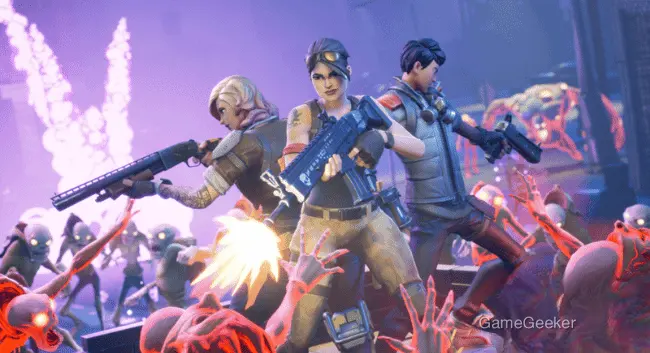
According to gameranx, Epic only confirmed Fortnite's return to most global App Store regions after Apple had made related representations to the U.S. Supreme Court. The report also argues that Apple understands a U.S. federal court is going to force it to disclose App Store charging details. At this stage, the central question is no longer whether one game can be relisted. It is whether platform rules can keep presenting outcomes without explaining the costs behind them.
Epic's reasoning is not hard to read. It believes that once fee structures and underlying costs are made public, regulators around the world will follow up, and high platform cuts will become harder to defend. One line in the original report stands out: regulators across the world are watching this case. That is the clearest sign that the Apple-Epic fight stopped being only a U.S. market story a long time ago.

For players, the practical upside is straightforward. First, older games return, and normal download and update channels come back with them. Second, if platform commissions are pushed lower in the future, developers should at least in theory have more room to adjust pricing, promotions, and payment options. There is no reason to overestimate publisher goodwill, but there is also no reason to underestimate how much channel fees shape the game business.
For developers, this looks more like a precedent than a victory lap. Over the past six years, Fortnite was removed from both Apple and Android platforms over the revenue split dispute, and the cost of sustaining that fight was enormous. Not every company could absorb it. Epic could because it has scale and cash flow. Smaller teams may not be able to repeat the strategy, but they could still benefit from whatever rule changes come next.
There are limits here. Epic has not won a total victory; it has only pushed platform pricing logic one step further toward disclosure. Around this time last year, the original report says, Fortnite had already returned to the U.S. Apple App Store. Expanding now to most regions globally suggests a phased change, not an overnight reversal.
If you are a player, the takeaway is simple: check whether the game is back in your region first, then watch for any changes to payment rules. If you are a developer, this matters more than the return of a single game. It shows that platform commissions are not untouchable. As long as courts and regulators keep pressing, old rules can still be changed.




Comments 0
Share your game review
Join the discussion and share your review of this game.
No comments yet. Share your review.