
News
over the hill launches with introductory Steam offer and lower-priced key listings
Funselektor’s off-road exploration game is out on Steam at $19.99 with an introductory offer. Approximate third-party ke
















The dim yellow indoor light falls downward, leaving the walls bare. The room feels as if a rainy day has pressed the ceiling lower, making even the air seem heavy. When I see a reenacted scene like this, I instinctively pause, because it has neither exaggerated bloodshed nor intense conflict. Instead, it carries a quieter kind of chill that runs deeper down the spine. A recent case reported by Japanese media felt exactly like that: a young girl was abducted and imprisoned by a man, forced to read the complete Bleach series within a few days, and made to sit properly and read attentively, as if trapped in an absurd and endless “fan exam.”
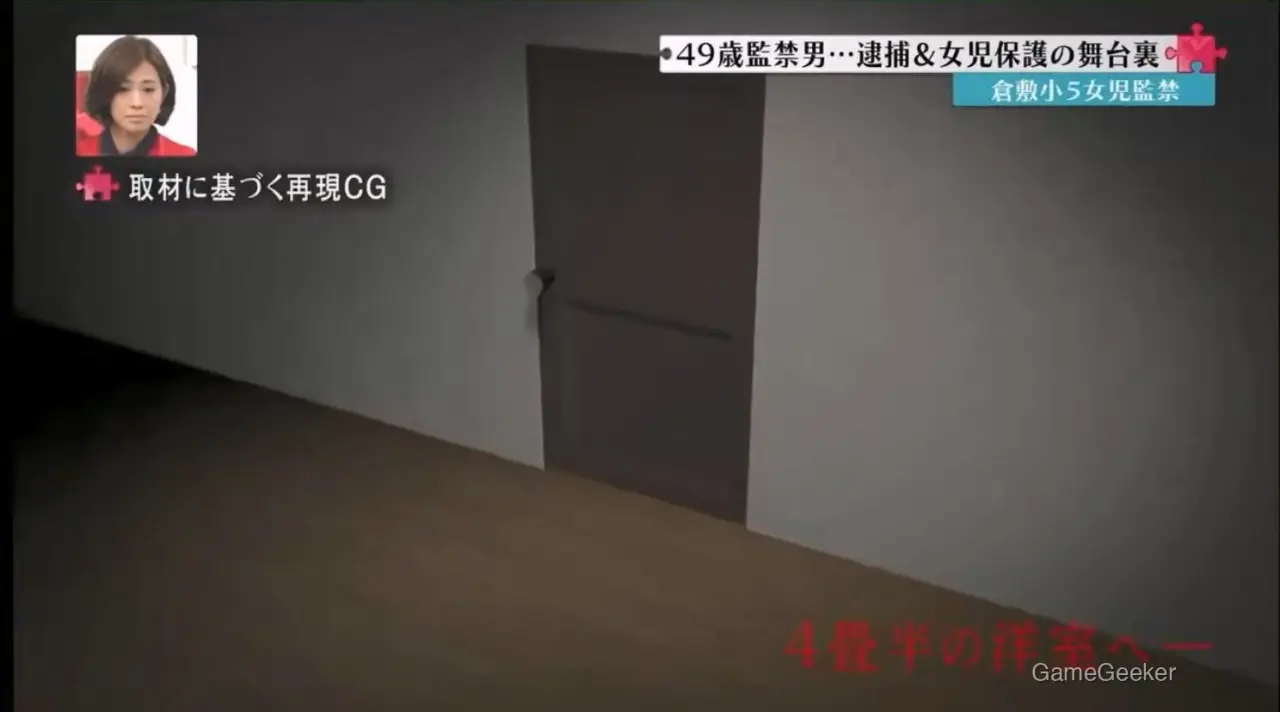
The most striking detail in the report was not fists, but control. The original text mentioned that the case involved no sexual violence or physical assault, yet the suspect imposed behavioral domination through forced reading, repeated questioning about the setting, and knowledge tests, even throwing out conditions like “you can only leave the room if you answer more than 6 questions correctly.” On the surface, it looked like extreme fandom evangelism, but in reality it was a classic form of psychological oppression, twisting a hobby into a locked room. Some also pointed out that during the public trial, it was indeed confirmed that there was repeated questioning and intimidation regarding the names of manga characters and story settings. This was no longer a joke or meme—it was behavior capable of pushing someone into a trauma response.
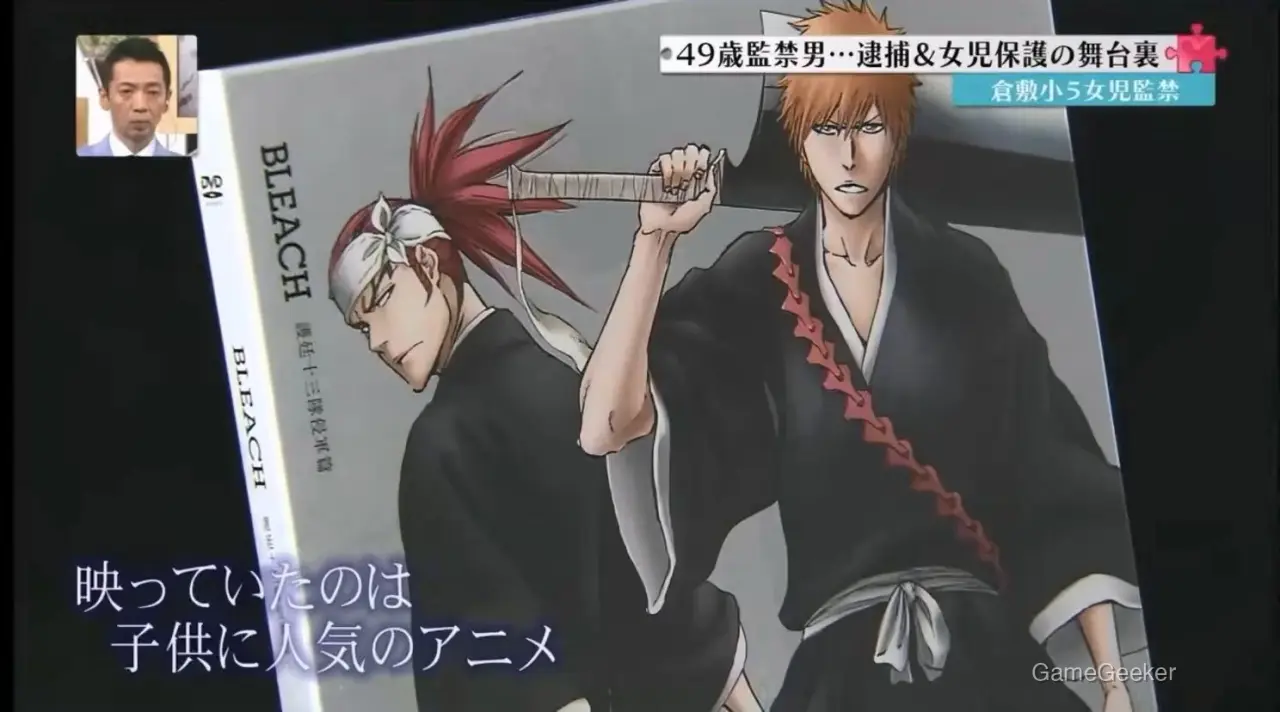
But beyond the images, the real controversy sparked by this news lies in the uneven reliability of its details. Some Japanese netizens questioned whether elements like “reading the full series” and the “10-question quiz” may have originated from distorted information circulated online in Korea. On the other hand, some added that the full court record is kept by the Okayama District Public Prosecutors Office, with only privacy-related sections redacted. In other words, the case itself is not fabricated out of thin air; the controversy mainly centers on the transmission process—what was actually confirmed in court, and what was later sensationalized through secondary retellings.

Returning to games themselves, as someone who has spent a long time in anime, manga, and gaming circles, I feel especially repulsed by the idea of “turning passion into a weapon.” The best kind of recommendation you see in a community is offering someone a piece of music, a screenshot, or a night spent clearing a game side by side, letting them step in on their own. The worst kind of recommendation is turning “do you really understand the manga?” into an interrogation, and personal taste into a test of obedience. Loving a work should be like the morning light slowly brightening outside the window, drawing people closer—not like tightly drawn curtains that make even breathing feel cautious.

From a broader trend perspective, this kind of news is also a reminder of one thing: the more dramatically charged a case is, the more easily it gets cut down into a single sentence on social media and stripped of its original boundaries. This is especially true when anime, games, and fan culture are involved. People instinctively share the most bizarre version, because it sounds more like a punchline and spreads more easily. But what ultimately lands in reality is the victim’s PTSD, and the judicial outcome in which the suspect was sentenced for “abduction, unlawful confinement, and causing injury.” These are far more deserving of attention than sensational details.

So more than anything, I want this case to serve as a reminder to the gaming community: when you see similar news, don’t rush to turn it into a meme, and don’t brush it off lightly with a line like “that’s way too otaku.” First distinguish the facts of the case from the exaggerated additions made during its spread, and only then discuss the work, the subculture, and the people involved. Because what truly deserves criticism is not the manga Bleach, but the fact that someone, in the name of love, locked another person inside a room of his own obsession.





Comments 0
Share your game review
Join the discussion and share your review of this game.
No comments yet. Share your review.