News
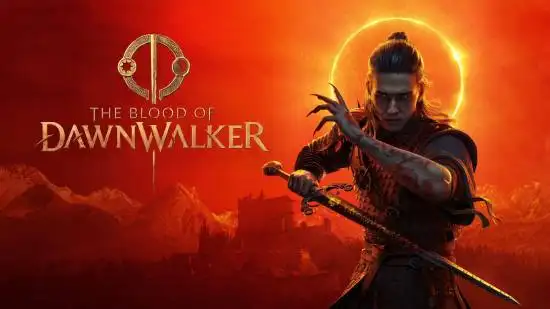
The Blood of Dawnwalker Is Out Now and Tops Steam's Best Sellers
The Blood of Dawnwalker tops Steam’s global best-sellers chart, excluding free games, after its official unlock. Led by
















After 120 hours in Subnautica, I wouldn’t even pass up resource nodes tucked away in the furthest corners of the seabed, so when I saw the scandal surrounding Subnautica 2, my first reaction wasn’t gossip, but a sinking feeling for the development team. Based on the information currently available, Krafton CEO Kim Chang-han was accused of bypassing the legal team and directly using ChatGPT to devise a takeover scheme code-named “Project X” in order to prevent Unknown Worlds, a studio acquired under Krafton, from receiving an earnout bonus of up to $250 million. This twist feels exactly like one of those shady conglomerate side plots that suddenly show up late in a JRPG—except in real life, there’s no party of heroes to reload your save and start over.

The most outrageous part of this story is that it wasn’t just an ordinary management dispute, but one allegedly tied to a very specific course of action. The original report says that once internal forecasts showed Subnautica 2’s sales might trigger a massive bonus clause, Kim Chang-han began trying to technically evade the payment obligation by delaying or even blocking the game’s release, including extreme measures such as locking Steam accounts. More importantly, the company’s internal legal team had already made it clear that doing so carried enormous legal risk, yet the plan was still adopted and carried out. At that point, this is no longer something that can be brushed off with “AI gave bad advice.”

Unfortunately, the most jarring part of this kind of news is never the AI itself, but the fact that some people use AI as a scapegoat. In the end, ChatGPT is just a tool—like a summon command in Final Fantasy. Whether you use it and how you use it has always been up to the person in control. The original report also mentions that after the matter came to light, Kim Chang-han allegedly tried to delete all of his conversations with ChatGPT in order to destroy evidence. That move almost single-handedly pushed the whole affair from a business dispute into something far uglier.
What’s more, this has gone beyond a public relations disaster and entered the legal arena. A Delaware court has already ruled against Krafton and ordered the reinstatement of studio executives who were unlawfully dismissed. For players, this sends a very direct message: if executives on the publishing side put short-term financial targets ahead of the game and the team, then even the strongest IP can be mangled into something that feels like a half-finished side quest, with its pacing in ruins and its reputation badly damaged.

It’s also worth noting that this controversy will likely make gaming communities even more wary of “AI involvement in corporate decision-making.” People aren’t opposed to AI assisting with testing, text organization, or customer service triage. What truly unsettles them is when executives use it to substitute for legal judgment, contractual boundaries, and professional ethics. For players who love exploration-heavy, immersive games like Subnautica, what we really want to see is Unknown Worlds putting its focus back on the game itself and making Subnautica 2 into a fully realized sequel—something as complete as a crystal-themed variation—not letting the game get dragged into becoming just another news headline by capital-driven maneuvering.
If you were already following Subnautica 2, my advice is simple: keep watching the ongoing litigation and the team’s next moves, and don’t rush to buy into the publisher’s narrative. The game industry has been talking nonstop about AI over the past two years, but this incident already shows that while AI can propose plans, that doesn’t mean those plans can override the law, contracts, and basic lines that shouldn’t be crossed. Players are willing to pay for good games, and they’re also willing to wait for sincerity—but if a company even wants to erase the rewards owed to developers through technical maneuvers, then that’s no longer business strategy. It’s personally draining away the most valuable thing a brand has: trust.




Comments 0
We'd love to hear from you
Welcome! Share your take on this game — being first might come with a surprise.
No comments yet. Be the first!