News
*Metro 2039* Officially Announced! The Darkest Stop Is Coming!
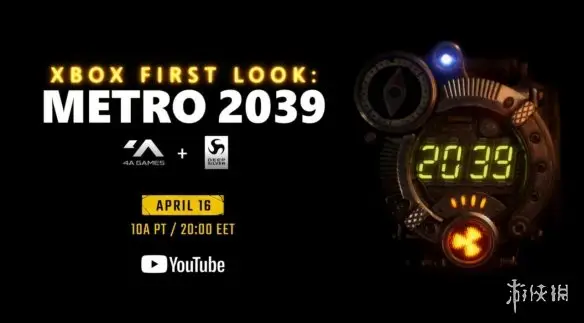
4A Games Confirms *Metro 2039*; key details will be revealed on April 17.
















The new entry in the Metro series has finally been officially revealed. 4A Games has confirmed that the game is titled Metro 2039, and that a full presentation will be held this Thursday, April 17. For longtime fans who have been closely following every clue, the most compelling part this time is not simply that “there’s a new game,” but the keyword repeatedly emphasized by both the developers and the original author: darkness. Dmitry Glukhovsky, the author of the original Metro novels and the game’s co-writer, has already said in advance that this will be “the darkest Metro game you’ve ever seen.”

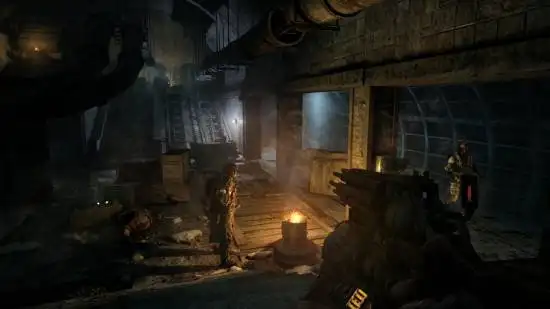
Why did that statement ignite discussion so quickly? The reason is simple: the strongest identity of the Metro series has never been just its gunplay or monster design, but the sense of survival slowly squeezed out from the cracks between tunnels, ruins, and human nature. Metro Exodus previously expanded the setting into broader, sunlit deserts, conifer forests, and other regions, successfully widening the series’ scope, but it also left some players feeling that its purest sense of claustrophobic dread had been diluted. If Metro 2039 really does choose to return to the oppressive, desperate, and cramped core spirit of the underground, then in terms of tone it may feel less like a further expansion and more like a “convergence” compared to its predecessor.

What interests me more is what exactly “darkness” points to. It could certainly mean the visual level: fewer brightly lit areas, scarcer resources, and a stronger sense of oppression. But judging from the reaction in the player community, what many people immediately think of is a heavier story and possibly crueler fates for the characters. The concern in the comments over Anna’s fate especially shows that people are not just hoping for a darker filter, but are bracing themselves for a more painful story. Glukhovsky has also previously mentioned that he has been working closely with 4A Games to refine the new game’s plot, even saying that “just thinking about it is exciting,” which at the very least suggests that narrative will remain one of the new title’s core selling points.
From a strategic standpoint, this is actually a very smart move by 4A. These days, many big-budget games are going for larger maps, longer runtimes, and more open structures. If Metro instead chooses to double down on high-density atmosphere, linear narrative progression, and the pressure of resource management, it may actually find it easier to reestablish its own distinctive identity. In other words, Metro 2039 does not necessarily need to be “bigger” than others; it needs to be “more suffocating” than others, and that is precisely the part of this IP that is hardest to replace.

At this stage, there still are not many confirmed facts. Whether “darkness” means a more oppressive visual atmosphere or a more tragic story will have to wait until the official premiere on April 17. But if you are someone who hoped the series would sink back underground after Metro Exodus, then this is very likely worth watching closely. If, on the other hand, you preferred the previous game’s sense of journey and relatively open pacing, then you should prepare yourself mentally, because the new title may noticeably tighten the experience. For me, the best outcome is not simply making it darker, but making darkness feel heavy again—bringing back the chill that Metro does best in every breath, every bullet, and every choice a character makes.


Comments 0
We'd love to hear from you
Welcome! Share your take on this game — being first might come with a surprise.
No comments yet. Be the first!