 The Elder Scrolls IV: Oblivion RemasteredFetching price~ $49.99
Popular PicksView All
123456789101112
12 Best Mystery Games on PC (2026)
12 Best Space Sim Games on Steam (2026)
12 Best Story-Rich Games to Play (2026)
12 Best Turn-Based Tactics Games on Steam (2026)
12 Best Puzzle Games on Steam (2026)
12 Best Games to Play with Friends on PC (2026)
12 Best JRPGs on Steam (2026)
12 Best City Builder Games on Steam (2026)
12 Best Zombie Games on Steam (2026)
12 Best Free Indie Games on Steam (2026)
12 Best Short Indie Games to Try (2026) — Done in One Evening
12 Best Cozy Games on Steam (2026)
Popular Games LikeView All
Games Like PowerWash Simulator - 12 Best Relaxing Cleaning and Restoration PicksGames Like Dave the Diver - 12 Best Diving, Cooking and Systems-Stacker PicksGames Like Road to Vostok - 12 Best Hardcore Survival Shooter PicksGames Like Path of Exile 2 - 12 Best Action RPG and Loot PicksGames Like Clair Obscur: Expedition 33 - 12 Best Turn-Based RPG PicksGames Like R.E.P.O. - 12 Best Co-op Horror PicksGames Like PEAK - 12 Best Co-op Climbing and Survival PicksGames Like Slay the Spire 2 - 12 Best Roguelike Deckbuilders to Play NextGames Like Mina the Hollower - 12 Best Top-Down Action and Zelda-Like PicksGames Like Baldur's Gate 3 - 12 Best CRPGs and Turn-Based RPGsGames Like Monster Hunter Wilds - 12 Best Co-op Hunting and Action RPG PicksGames Like Hollow Knight: Silksong - 12 Best Metroidvania Picks (2026)Games Like Final Fantasy VII Rebirth - 12 Best Action RPG & JRPG PicksGames Like Dead by Daylight - 12 Best Asymmetric & Co-op Horror PicksGames Like Forza Horizon 6 - 12 Best Open-World Racing & Driving Picks (2026)Games Like 007 First Light - 12 Best Stealth and Spy GamesGames Like Solarpunk - 12 Best Cozy Survival and Crafting GamesGames Like Subnautica 2 - 12 Best Underwater and Alien-World Survival GamesGames Like Lies of P - 12 Best Soulslikes to Play in 2026Games Like Hell Let Loose - 12 Best Tactical Milsim Shooters
Popular ReviewsView All

Mina the Hollower — Review

Clair Obscur: Expedition 33 — Review

Schrödinger's Call — Review

Resident Evil Requiem — Review

Shift At Midnight — Review

Mixtape — Review

Middle-earth™: Shadow of Mordor™ — Review

The Mermaid Mask — Review

MOLE — Review

Desktop Explorer — Review

Mad Max — Review

Go-Go Town! — Review

Dead as Disco — Review

Crushed In Time — Review

Beastro — Review

Moonlight Peaks — Review
The Source of The Elder Scrolls 4: Oblivion’s Poisoned Apple Assassination Mechanic Is Confirmed
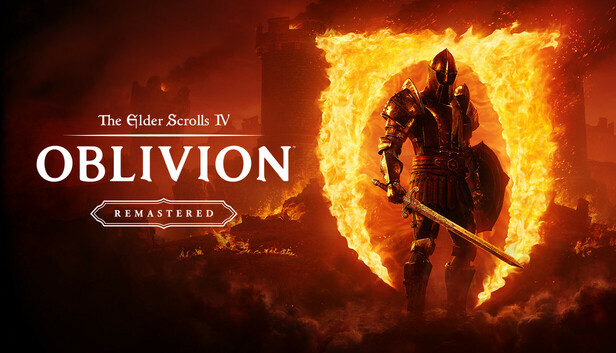
After The Elder Scrolls IV: Oblivion Remastered landed on Switch 2, players started talking again about one of the original game's strangest assassination tricks: killing a target with a poisoned apple without drawing a weapon. According to the game's first art director, the method surfaced during early testing of the original release, not as a planned assassination route. The test involved Radiant AI, a captain's room stripped of every piece of food, and a poisoned apple placed in the target's inventory.
What makes the trick interesting is not that players have rediscovered an old exploit. It is that the game treats the death as nobody's crime. Testers were checking Radiant AI's NPC hunger logic during an assassination mission: they removed every food item from the target captain's room, then put a poisoned apple in the captain's inventory. No combat started, no stealth alert fired, and the target simply got hungry, ate the apple, and died.

The development team later confirmed the important part: this no-trace assassination route was never in the design plan. It emerged from three independent systems working together: NPC eating, item placement, and lethal poison. The original game effectively let it stand, and the remaster carries the mechanism over intact.

The point is not the poison's damage value. It is how the game assigns responsibility. A hungry NPC died after eating on its own, yet the system did not mark the player as the attacker, so the mission completed without a bounty or a guard response. That kind of gray-area outcome is rarer in modern open worlds, where quest protection and safety checks often close these gaps before players ever see them.
For longtime players, that is a useful sign that the Switch 2 version has not sanded down one of Oblivion's strongest emergent systems. For new players, the choice is straightforward: if you want an old-school open world with updated visuals and systems that still produce messy, useful consequences, this is part of the appeal. If you want tightly scripted missions and polished set pieces, it will feel rougher.

The poison apple keeps coming up for a reason. It shows an older kind of open-world design: the game sets the rules, the player finds the angle, and the NPC completes the kill. It does not need a mission prompt to feel clever, and it does not need a cutscene to feel like an assassination.
The Elder Scrolls IV: Oblivion RemasteredFetching price~ $49.99 Radiant ArcFetching price
 On saleRadiant: Guardians of LightFetching price~ $14.99-62%





Comments 0
Share your game review
Join the discussion and share your review of this game.
No comments yet. Share your review.