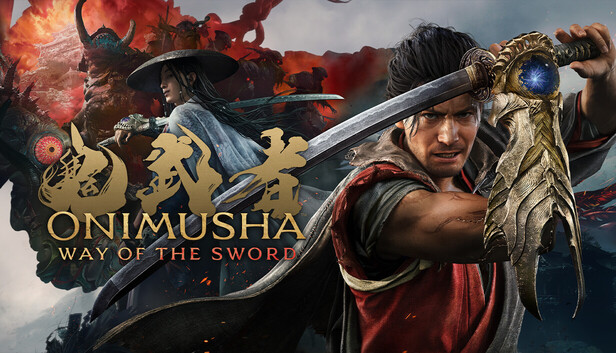
 Onimusha: Way of the SwordFetching price~ $69.99
Popular PicksView All
123456789101112
12 Best Mystery Games on PC (2026)
12 Best Space Sim Games on Steam (2026)
12 Best Story-Rich Games to Play (2026)
12 Best Turn-Based Tactics Games on Steam (2026)
12 Best Puzzle Games on Steam (2026)
12 Best Games to Play with Friends on PC (2026)
12 Best JRPGs on Steam (2026)
12 Best City Builder Games on Steam (2026)
12 Best Zombie Games on Steam (2026)
12 Best Free Indie Games on Steam (2026)
12 Best Short Indie Games to Try (2026) — Done in One Evening
12 Best Cozy Games on Steam (2026)
Popular Games LikeView All
Games Like PowerWash Simulator - 12 Best Relaxing Cleaning and Restoration PicksGames Like Dave the Diver - 12 Best Diving, Cooking and Systems-Stacker PicksGames Like Road to Vostok - 12 Best Hardcore Survival Shooter PicksGames Like Path of Exile 2 - 12 Best Action RPG and Loot PicksGames Like Clair Obscur: Expedition 33 - 12 Best Turn-Based RPG PicksGames Like R.E.P.O. - 12 Best Co-op Horror PicksGames Like PEAK - 12 Best Co-op Climbing and Survival PicksGames Like Slay the Spire 2 - 12 Best Roguelike Deckbuilders to Play NextGames Like Mina the Hollower - 12 Best Top-Down Action and Zelda-Like PicksGames Like Baldur's Gate 3 - 12 Best CRPGs and Turn-Based RPGsGames Like Monster Hunter Wilds - 12 Best Co-op Hunting and Action RPG PicksGames Like Hollow Knight: Silksong - 12 Best Metroidvania Picks (2026)Games Like Final Fantasy VII Rebirth - 12 Best Action RPG & JRPG PicksGames Like Dead by Daylight - 12 Best Asymmetric & Co-op Horror PicksGames Like Forza Horizon 6 - 12 Best Open-World Racing & Driving Picks (2026)Games Like 007 First Light - 12 Best Stealth and Spy GamesGames Like Solarpunk - 12 Best Cozy Survival and Crafting GamesGames Like Subnautica 2 - 12 Best Underwater and Alien-World Survival GamesGames Like Lies of P - 12 Best Soulslikes to Play in 2026Games Like Hell Let Loose - 12 Best Tactical Milsim Shooters
Popular ReviewsView All

Mina the Hollower — Review
Clair Obscur: Expedition 33 — Review

Schrödinger's Call — Review

Resident Evil Requiem — Review

Shift At Midnight — Review

Mixtape — Review
Middle-earth™: Shadow of Mordor™ — Review

The Mermaid Mask — Review

MOLE — Review

Desktop Explorer — Review

Mad Max — Review

Go-Go Town! — Review

Dead as Disco — Review

Crushed In Time — Review

Beastro — Review

Moonlight Peaks — Review
What Is Onimusha Way of the Sword Hiding and Is It Really Back 20 Years Later
Onimusha: Way of the Sword, the first mainline Onimusha sequel in 20 years, has clarified several key points in a new interview published by GameSpot's Chinese sister outlet Gamersky. The interview mostly fills in the gaps on combat, story structure, and overall game structure: some enemies are built to punish passive guarding, Issen is no longer a mandatory progression gate, and the full game is confirmed to be a linear, stage-based action title rather than an open world.
The demo's clearest combat idea is how hard it pushes back against passive defense. Regular attacks do not consume stamina, but repeated blocking will break your balance, and some enemies are specifically designed to force you off pure guarding and into parries or dodges. It is a smart bit of combat design. Plenty of action games claim to reward aggression while quietly encouraging players to turtle up; here, at least in the demo build, the combat seems intent on dragging players out of that comfort zone. The parry and dodge windows in the demo are fairly forgiving, and the overall difficulty is on the low side, but the developers said they have prepared dedicated content for players who want a more hardcore challenge, even if they are not ready to reveal it yet.

Issen follows the same philosophy. It is not a required mechanic for clearing the game, and there are no enemies or bosses that can only be beaten through Issen. Players are not expected to master it just to finish the campaign. At the same time, it is far from cosmetic: some regular enemies can be instantly killed with a single Issen, while landing one on a boss can remove a large chunk of health. That puts it where it belongs: a high-risk, high-reward option, not a mechanic the game demands you master just to get through it.
The story setup is just as notable. Protagonist Miyamoto Musashi does not wear the gauntlet by choice, and inside it resides a female spirit who wants to break free of the gauntlet. That tension is built into the premise. As the story progresses and Musashi grows, the two gradually move from mutual distance to genuine closeness, eventually sharing the same goal. The team was also very direct about structure: this is a linear story with no branching choices and no multiple endings. In practice, that suggests a tighter, more controlled narrative rhythm.

The structure outside combat is just as restrained. Onimusha: Way of the Sword is not open world. The full release is built around mostly linear main stages, with open exploration areas placed between story levels where players can roam, take on side content, and encounter exclusive bosses. Some stages also include puzzle elements, but puzzles are not a mandatory, game-long focus. For this kind of action game, that structure makes more sense than stretching everything across an overextended map. Horror, pressure, and combat pacing all tend to lose intensity when the experience becomes too diffuse.

Another combat detail to watch is body-part destruction. Not every enemy supports it, but some bosses do, and breaking specific parts can temporarily seal off the related moves while weakening their offense and mobility. The multi-armed boss is the clearest example: players can destroy multiple limbs to limit its capabilities. Importantly, the game does not force players to break specific parts in order to progress. More broadly, the team says it has fully preserved what defines the Onimusha series while modernizing it through a refined free-cutting system, built around the idea that "where you slash is where you wound," alongside improved animation, hit reactions, and back-attack details.

The setting, meanwhile, keeps the series' historical frame while giving it some room to move. The main story is set in the Edo period, with Miyamoto Musashi as its central hero, while some characters possess special abilities that let them survive across multiple eras and appear together in this timeline. Beyond the locations already shown, the game will also feature several famous sites in Kyoto, though the team has not shared specifics yet. On Musashi himself, the developers said his portrayal draws not only from the facial likeness of a famous actor, but also from that actor's expressions and physical mannerisms across multiple works.
For long-time Onimusha fans, the real question is not whether the series has chased open-world scale. It is whether it has kept its identity. Based on what the team has said, the answer so far appears to be yes. My recommendation is simple: returning players should keep a close eye on the final game's high-difficulty content and the feel of Issen, while newcomers can safely start with the demo to see whether this more rhythm-driven, judgment-heavy, pressure-based action design clicks for them. The developers say the game is not far from release, and they are hoping Chinese players spend more time with the demo while waiting for launch. We likely will not have to wait long to see whether it delivers.
Onimusha: Way of the SwordFetching price~ $69.99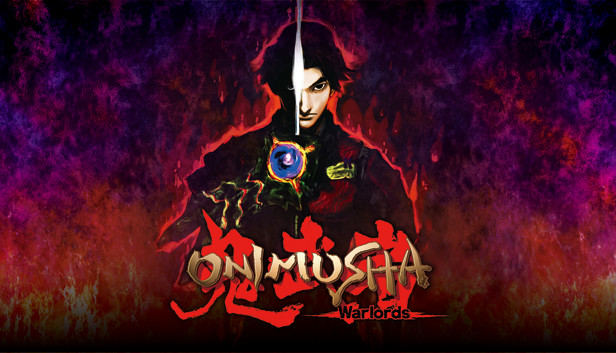 On saleOnimusha: WarlordsFetching price~ €19.99-60%
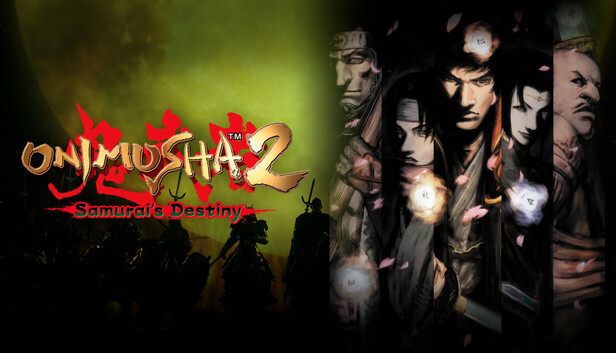 On saleOnimusha 2: Samurai's DestinyFetching price~ $29.99-50%



Comments 0
Share your game review
Join the discussion and share your review of this game.
No comments yet. Share your review.