
News
Grab two free PC games before Epic's clock runs out, while Undertale and Divinity: Original Sin 2 are 75% off
Astral Ascent and LUFTRAUSERS are free to keep today, while two of PC gaming's most celebrated RPGs cost less than $14 c
















When a game enters its final polishing stage, the most cautious step for the development team is often not piling on more visual effects, but first drawing clear system boundaries. Phantom Blade Zero’s response to the AI controversy this time is, at its core, a very clear statement of position: which technologies can serve the finished product, and which must not touch the creative core. Producer “Soulframe” Liang Qiwei said that the game has now entered the final stage of polishing and development, while also emphasizing that all content is created by human artists and that they will not use AI graphics technologies that could alter the artists’ original intent. The reason this statement sparked discussion is not because the wording was especially strong, but because it landed on an extremely sensitive point.
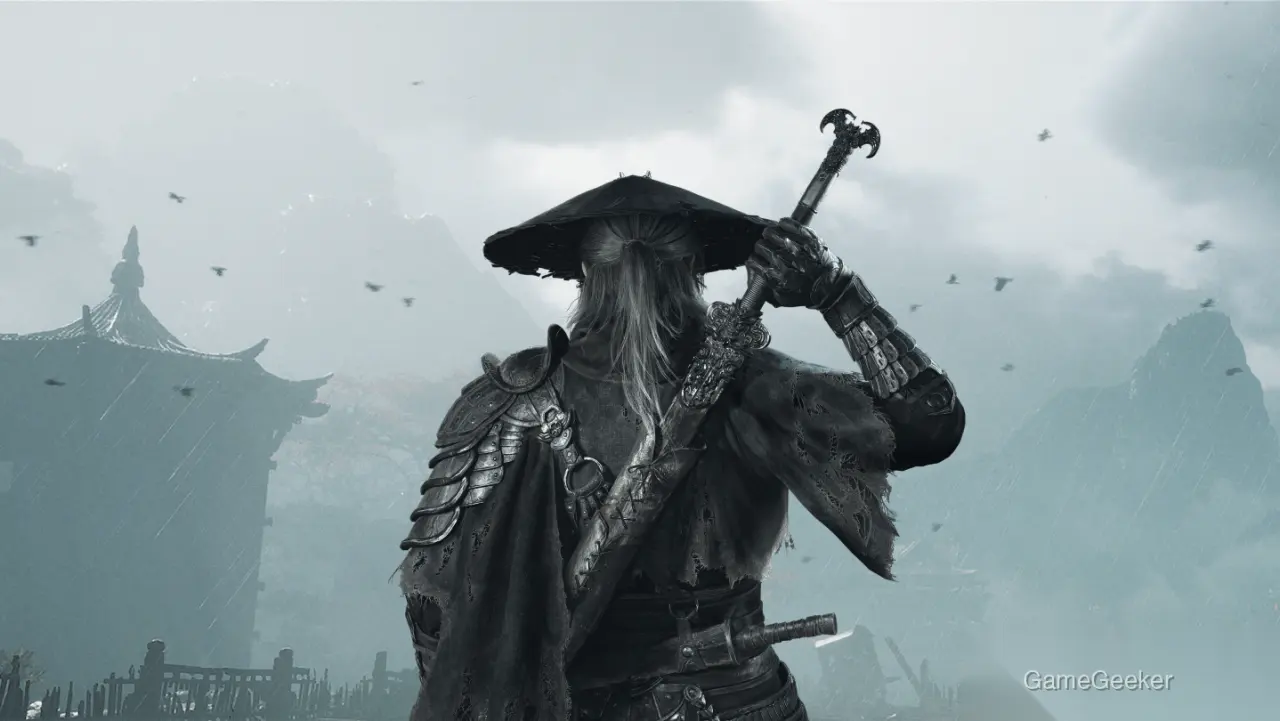
From a systems design perspective, the key to the controversy is like “defining the win condition” in an endgame: what people are actually debating is not the same kind of AI. In its report, Kotaku suggested that this statement is hard not to connect with the previously controversial tech demo that stirred major online debate, but the original text also made it clear that Phantom Blade Zero’s official statement did not name NVIDIA, nor did it directly mention DLSS 5. Then the question arises: NVIDIA had previously stated quite clearly in its official blog that this title would be one of the first games to launch with DLSS 5 support. As a result, public opinion now seems like two narratives pushing against each other, but at present it is still difficult to conclude that the two sides’ positions have truly come into direct conflict.
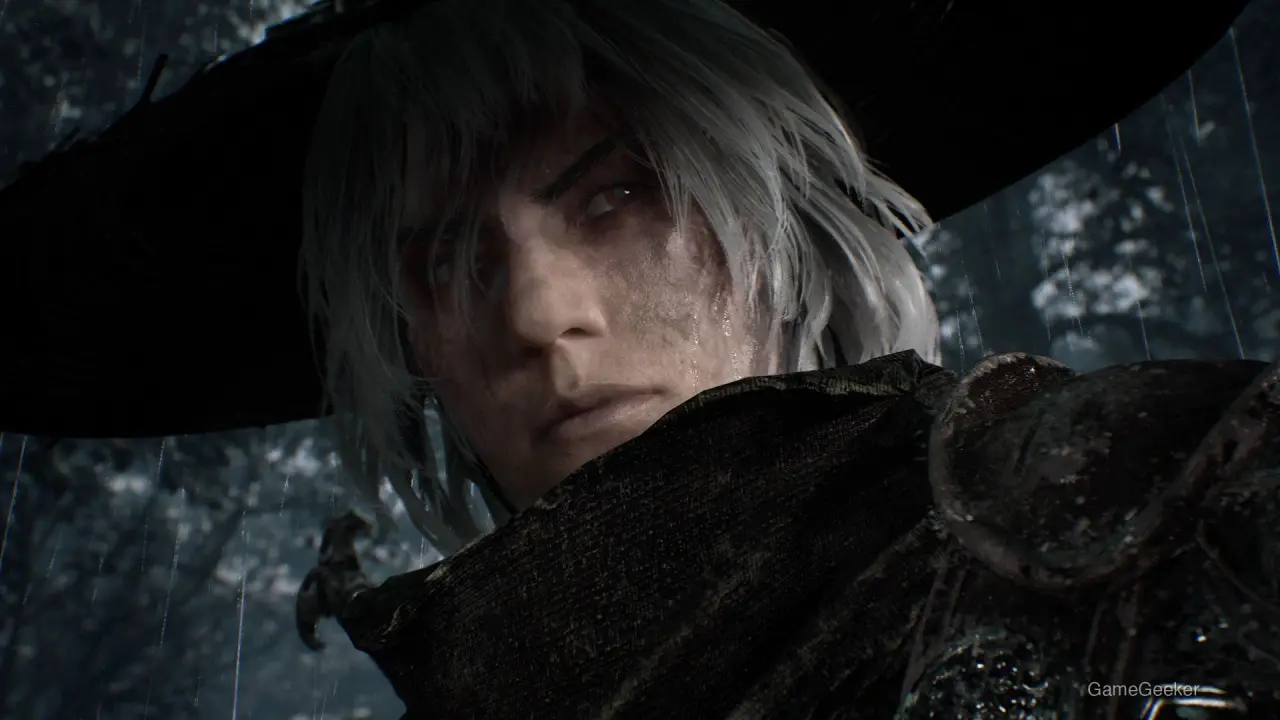
In terms of strategic depth, I actually don’t think this issue is as mysterious as many people make it out to be. Based on the information currently available, what Liang Qiwei emphasized is “how the content is created,” while the core of the DLSS 5 discussion is “how the image is processed and optimized.” The former concerns whether artistic expression still remains in human hands, while the latter is more like a tool choice in the performance pipeline; the two are not inherently mutually exclusive. In other words, one is the logic of the board position, while the other is whether you use a more convenient clock when playing—their levels are not exactly the same.
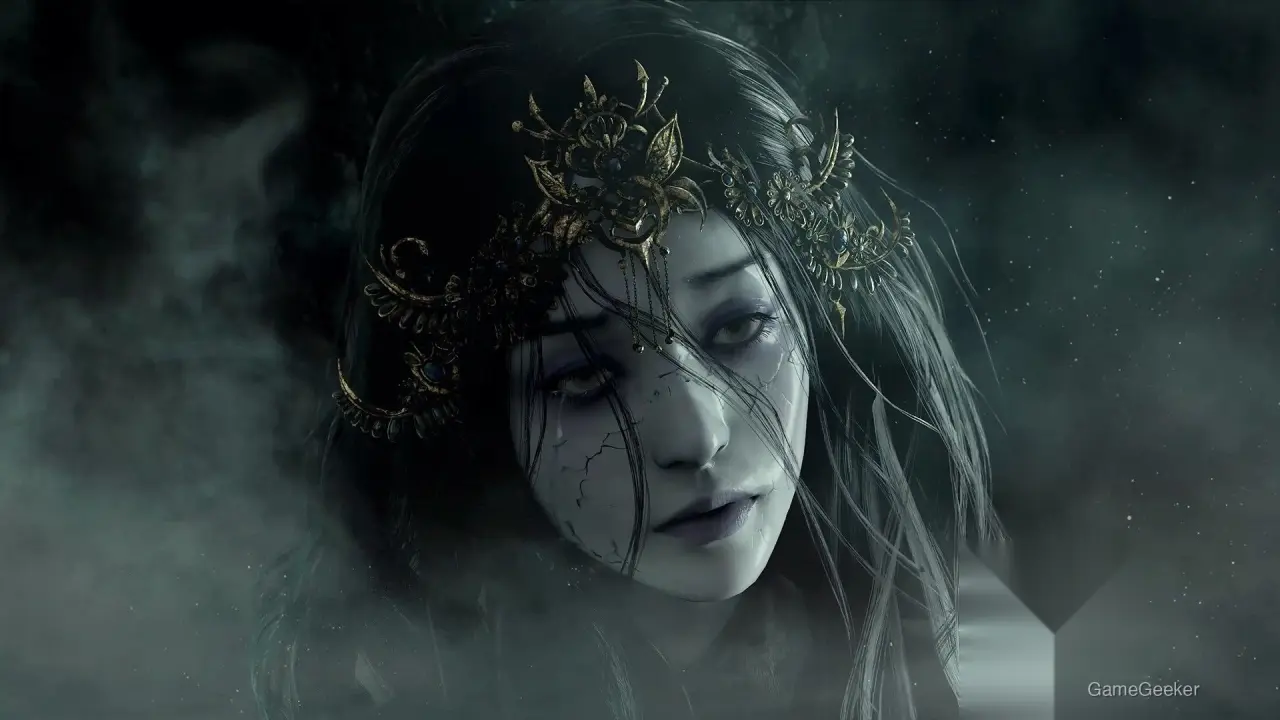
But the issue is that today’s player community has become highly sensitive to the term “AI,” and in many cases, as long as it appears in the same paragraph, the discussion quickly gets lumped together into one big mess. Some worry that graphics technology will eventually turn around and erode the creative process, while others believe that as long as it does not directly replace artists, performance optimization technologies are completely acceptable. The article even ends with a poll discussing whether AI-driven graphics technologies like DLSS will affect game creation, which shows that the community’s divide is still far from reaching an endgame. For players like me who care more about system coherence and consistency of expression, the key is not the name of the technology, but whether developers can hold the line that “tools should serve the work, not the work accommodate the tools.” If they can hold that line, it’s elegant; if they can’t, it’s a waste.
If you care about Phantom Blade Zero, what is more worth watching at this stage is not the emotional urge to take sides, but whether the developers will further clarify the technical boundaries. Compared with many projects that rely purely on concept-driven marketing, this at least sends one clear signal: they want to keep artistic control firmly in the hands of human creators. As for how DLSS 5 will ultimately be implemented, my suggestion is to wait for the official showcase before making a judgment—don’t rush to declare a game lost before the match on the board has even been played out.




Comments 0
Share your game review
Join the discussion and share your review of this game.
No comments yet. Share your review.