 On saleSILENT HILL 2Fetching price~ CN¥392.00-60%
Popular PicksView All
123456789101112
12 Best Mystery Games on PC (2026)
12 Best Space Sim Games on Steam (2026)
12 Best Story-Rich Games to Play (2026)
12 Best Turn-Based Tactics Games on Steam (2026)
12 Best Puzzle Games on Steam (2026)
12 Best Games to Play with Friends on PC (2026)
12 Best JRPGs on Steam (2026)
12 Best City Builder Games on Steam (2026)
12 Best Zombie Games on Steam (2026)
12 Best Free Indie Games on Steam (2026)
12 Best Short Indie Games to Try (2026) — Done in One Evening
12 Best Cozy Games on Steam (2026)
Popular Games LikeView All
Games Like PowerWash Simulator - 12 Best Relaxing Cleaning and Restoration PicksGames Like Dave the Diver - 12 Best Diving, Cooking and Systems-Stacker PicksGames Like Road to Vostok - 12 Best Hardcore Survival Shooter PicksGames Like Path of Exile 2 - 12 Best Action RPG and Loot PicksGames Like Clair Obscur: Expedition 33 - 12 Best Turn-Based RPG PicksGames Like R.E.P.O. - 12 Best Co-op Horror PicksGames Like PEAK - 12 Best Co-op Climbing and Survival PicksGames Like Slay the Spire 2 - 12 Best Roguelike Deckbuilders to Play NextGames Like Mina the Hollower - 12 Best Top-Down Action and Zelda-Like PicksGames Like Baldur's Gate 3 - 12 Best CRPGs and Turn-Based RPGsGames Like Monster Hunter Wilds - 12 Best Co-op Hunting and Action RPG PicksGames Like Hollow Knight: Silksong - 12 Best Metroidvania Picks (2026)Games Like Final Fantasy VII Rebirth - 12 Best Action RPG & JRPG PicksGames Like Dead by Daylight - 12 Best Asymmetric & Co-op Horror PicksGames Like Forza Horizon 6 - 12 Best Open-World Racing & Driving Picks (2026)Games Like 007 First Light - 12 Best Stealth and Spy GamesGames Like Solarpunk - 12 Best Cozy Survival and Crafting GamesGames Like Subnautica 2 - 12 Best Underwater and Alien-World Survival GamesGames Like Lies of P - 12 Best Soulslikes to Play in 2026Games Like Hell Let Loose - 12 Best Tactical Milsim Shooters
Popular ReviewsView All

Mina the Hollower — Review
Clair Obscur: Expedition 33 — Review

Schrödinger's Call — Review

Resident Evil Requiem — Review

Shift At Midnight — Review

Mixtape — Review
Middle-earth™: Shadow of Mordor™ — Review

The Mermaid Mask — Review

MOLE — Review

Desktop Explorer — Review

Mad Max — Review

Go-Go Town! — Review

Dead as Disco — Review

Crushed In Time — Review

Beastro — Review

Moonlight Peaks — Review
Silent Hill 2 Remake’s 40% rendering optimization gain sparks debate
Threat Interactive recently published a two-hour technical video breaking down modern game rendering pipelines, with Silent Hill 2 Remake and Kingdom Come: Deliverance II among its key examples. The independent game technology team also released a full pipeline chart, and its central argument is blunt: players should not be expected to buy expensive GPUs to compensate for poor optimization.

I would give the argument an 8/10. Not because every claim is beyond dispute, but because the video turns a familiar player grievance into a specific technical case. Threat Interactive's core message is simple: stop letting high-end hardware hide inefficient code. Harsh, yes. Unfair, not really.
The targets are familiar to anyone who has watched recent PC and console releases stumble. Too many modern games pile high-end features on top of engines such as Unreal Engine 5, while giving less attention to underlying efficiency. In Threat Interactive's view, Nanite puts more pressure on the GPU, and Blueprint scripting is far less efficient than C++. At that point, it is fair to ask whether weak frame rates are really the player's fault for not owning newer hardware.

The section on DirectX 11 and DX12 is even more pointed. Threat Interactive says that in some scenarios, DirectX 11 pixel processing can outperform a DX12 solution optimized around Unreal. That should sound backwards. But if the rendering pipeline is messy, a newer API may not deliver a cleaner result.
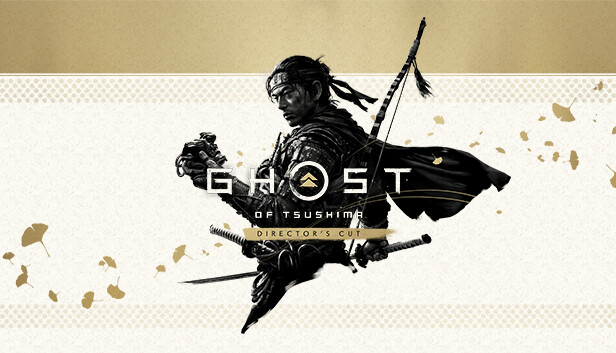
Anti-aliasing comes in for criticism as well. The video takes aim at techniques such as TAA and TSR, arguing that they can introduce ghosting and blur. On consoles, that can be especially visible, with camera movement smearing the image. Threat Interactive points to Ghost of Tsushima and its SMAA4X as evidence that clarity and performance can coexist.

Measured results make the argument harder to dismiss. Threat Interactive says that after optimizing transparency and vegetation rendering, frame rates in Silent Hill 2 Remake and Kingdom Come: Deliverance II can improve by 13% to 40%. That is not magic. It is the kind of rendering discipline seen in games like Metal Gear Solid V, where the image holds up and the frame rate stays solid.
The broader point is not that players oppose technical progress. They oppose inefficient code being repackaged as a "next-gen experience." There is a reason Crysis 3 can still be used in these comparisons today: not just nostalgia, but because it balanced image quality and performance better than many newer games.
The buying advice is straightforward. Before launch, do not rely only on trailers and spec sheets. Wait a few days for real frame-rate testing, especially on PC. Do not spend your GPU budget covering a studio's optimization penalty. Console players should be cautious too. If a performance mode still looks badly blurred, that is a good reason to wait. If enough players become less tolerant of poor optimization, industry voices argue it could push major studios to improve their engines and production pipelines.
On saleSILENT HILL 2Fetching price~ CN¥392.00-60%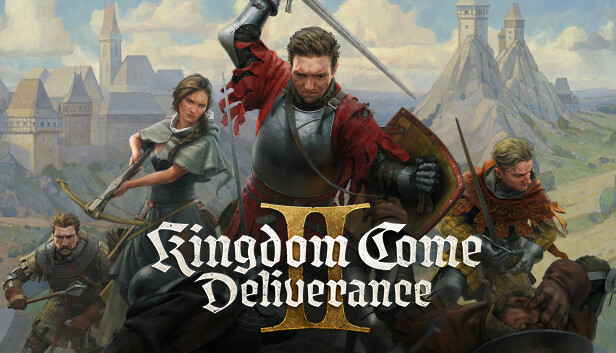 On saleKingdom Come: Deliverance IIFetching price~ CN¥228.00-60%
 Ghost of Tsushima DIRECTOR'S CUTFetching price~ $59.99
 On saleCrysis 3 RemasteredFetching price~ €29.99-91%



Comments 0
We'd love to hear from you
Welcome! Share your take on this game — being first might come with a surprise.
No comments yet. Be the first!