 Tom Clancy's Rainbow Six SiegeFetching price
Popular PicksView All
123456789101112
12 Best Mystery Games on PC (2026)
12 Best Space Sim Games on Steam (2026)
12 Best Story-Rich Games to Play (2026)
12 Best Turn-Based Tactics Games on Steam (2026)
12 Best Puzzle Games on Steam (2026)
12 Best Games to Play with Friends on PC (2026)
12 Best JRPGs on Steam (2026)
12 Best City Builder Games on Steam (2026)
12 Best Zombie Games on Steam (2026)
12 Best Free Indie Games on Steam (2026)
12 Best Short Indie Games to Try (2026) — Done in One Evening
12 Best Cozy Games on Steam (2026)
Popular Games LikeView All
Games Like PowerWash Simulator - 12 Best Relaxing Cleaning and Restoration PicksGames Like Dave the Diver - 12 Best Diving, Cooking and Systems-Stacker PicksGames Like Road to Vostok - 12 Best Hardcore Survival Shooter PicksGames Like Path of Exile 2 - 12 Best Action RPG and Loot PicksGames Like Clair Obscur: Expedition 33 - 12 Best Turn-Based RPG PicksGames Like R.E.P.O. - 12 Best Co-op Horror PicksGames Like PEAK - 12 Best Co-op Climbing and Survival PicksGames Like Slay the Spire 2 - 12 Best Roguelike Deckbuilders to Play NextGames Like Mina the Hollower - 12 Best Top-Down Action and Zelda-Like PicksGames Like Baldur's Gate 3 - 12 Best CRPGs and Turn-Based RPGsGames Like Monster Hunter Wilds - 12 Best Co-op Hunting and Action RPG PicksGames Like Hollow Knight: Silksong - 12 Best Metroidvania Picks (2026)Games Like Final Fantasy VII Rebirth - 12 Best Action RPG & JRPG PicksGames Like Dead by Daylight - 12 Best Asymmetric & Co-op Horror PicksGames Like Forza Horizon 6 - 12 Best Open-World Racing & Driving Picks (2026)Games Like 007 First Light - 12 Best Stealth and Spy GamesGames Like Solarpunk - 12 Best Cozy Survival and Crafting GamesGames Like Subnautica 2 - 12 Best Underwater and Alien-World Survival GamesGames Like Lies of P - 12 Best Soulslikes to Play in 2026Games Like Hell Let Loose - 12 Best Tactical Milsim Shooters
Popular ReviewsView All

Mina the Hollower — Review

Clair Obscur: Expedition 33 — Review

Schrödinger's Call — Review

Resident Evil Requiem — Review

Shift At Midnight — Review

Mixtape — Review

Middle-earth™: Shadow of Mordor™ — Review

The Mermaid Mask — Review

MOLE — Review

Desktop Explorer — Review

Mad Max — Review

Go-Go Town! — Review

Dead as Disco — Review

Crushed In Time — Review

Beastro — Review

Moonlight Peaks — Review
The creator of *Rainbow Six* loses power! Ubisoft’s move is too ruthless.
They made a very pragmatic trade-off here: cutting mid-tier and core R&D capabilities while continuing to pile resources onto top-tier IPs. According to reports from overseas media outlets such as VGC and GamesIndustry.biz, Ubisoft’s Red Storm Entertainment will end independent game development, with 105 layoffs involved, and will retain only technical support functions in the future. This is not an ordinary personnel adjustment, but a complete revocation of the studio’s authority.

If judged solely by pedigree, Red Storm is not a studio that can be brushed aside lightly. It created the first Rainbow Six in 1998, was acquired by Ubisoft in 2000, and subsequently spent years contributing to Tom Clancy-related projects. But from a design perspective, after 2012’s Ghost Recon: Future Soldier, the studio had already gradually moved away from the center of Ubisoft’s mainstream product pipeline. In recent years, it had repeatedly shifted to VR content, which shows that its position in Ubisoft’s internal resource hierarchy had long been marginalized.

From a technical standpoint, a so-called “support studio” does not mean it has no value. Major AAA projects increasingly resemble modular collaborative engineering: toolchains, online functionality, level implementation, porting, and platform adaptation all require experienced teams to hold things together. But that is also where the problem lies: once a team can no longer lead projects, its most essential creative capabilities become very difficult to continue accumulating. Over time, it only turns into a replaceable labor node. That line in the original report — “the studio will officially cease all independent game development work” — essentially means stepping back from being a content creator to becoming part of the industrial support layer.

From a business logic perspective, this move fits Ubisoft’s current path of contraction very well. VR has never delivered sufficiently large content returns over the past few years, and it is hardly surprising that Red Storm’s situation did not improve despite betting its last three projects on VR. For a publicly listed company, protecting the top brands that can generate sustained revenue is more “professional” than continuing to give veteran teams room to experiment; but from the perspective of the creative ecosystem, this kind of handling also easily leaves the mark of assembly-line-style management — the short-term financial statements look better, while long-term original creative capacity grows thinner.
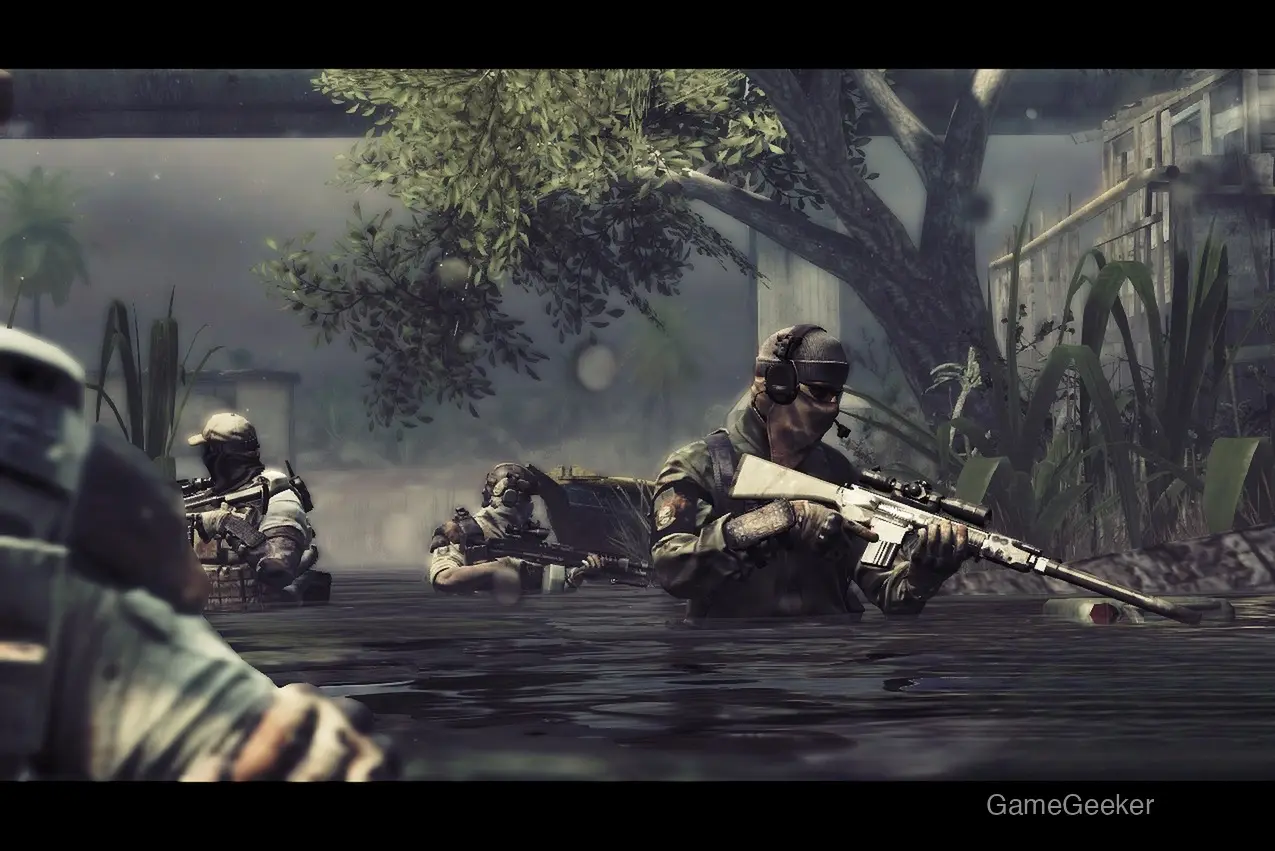
Player communities have actually felt something similar over the past two years: people remember the brand, but do they still ask “who made it”? When a name like Rainbow Six increasingly resembles a platform-style asset rather than the work of a specific team, the first thing to disappear in the industry is often the studio’s own methodology. Red Storm has a 28-year history, and now it has been reduced to support work only; this really does feel like the closing chapter of an era.
For players, this news will not directly affect what to play today; but for industry observers, the signal it sends is very clear: major publishers will become more conservative in the future, and there will be fewer and fewer teams able to lead new IPs and mid-sized projects. What is admirable is Ubisoft’s decisiveness in cost control; what is regrettable is that the Red Storm which once defined the character of tactical shooters no longer has the authority to open a new front.






Comments 0
Share your game review
Join the discussion and share your review of this game.
No comments yet. Share your review.