
News
Bunny Garden 2 Adds Twin-Tail Lolita Roro in New Update
Bunny Garden 2's new 10-second trailer shows a twin-tailed lolita character in a sweet-yet-cutting promo. With six heroi
















Compared with the traditional one-time purchase model, the biggest selling point of a subscription service should have been “pay less, play more”; but the trouble XGP is running into now is precisely that this core promise is starting to weaken. Recently, Xbox’s new CEO Asha Sharma admitted in a leaked internal memo that "XGP has become too expensive for players," and said the company would need to come up with new plans offering more flexibility and more choices. For a service once regarded as an industry benchmark, that statement alone shows the problem is no small matter.
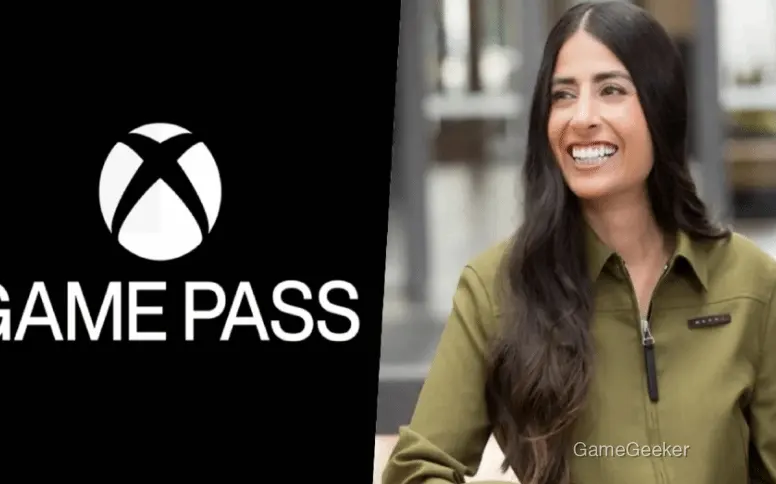
If you compare it with XGP in the early days of the console generation, back then it was like the sharpest weapon in the Xbox ecosystem; but by last year, after Microsoft raised the top-tier price to $30, subscriber cancellations increased noticeably, and the sense of “value” in the experience began to lag behind the rise in price. From the perspective of players across all platforms, this is completely different from the bundled promotions commonly seen on PC. When Steam or Epic runs a sale, players are buying clear ownership; but once a subscription goes up in price, no matter how impressive the content library is, it immediately turns into pressure from a monthly bill.
What’s more troubling is that XGP’s problems are not limited to the consumer side. Reports say Xbox pays $1 billion every year to bring third-party games onto XGP. At that scale, it would be a high-pressure operation on any platform; and Call of Duty: Black Ops 6 launching day one on XGP has also been blamed for roughly $300 million in lost potential revenue. Seen from another angle, it’s like taking your best-selling flagship model and giving it away as a membership perk: in the short term, it can indeed boost activity, but in the long run, the product’s standalone price, channel profits, and users’ willingness to pay will all be squeezed.
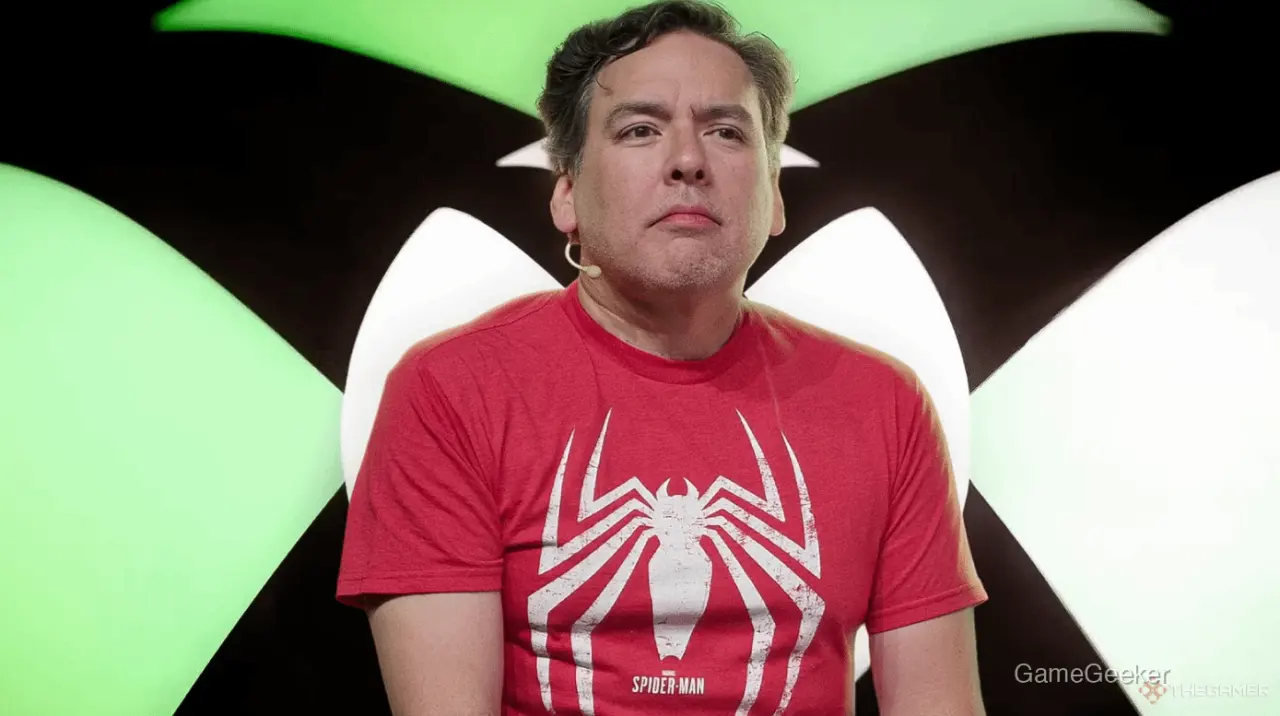
By comparison, former PlayStation executive Shawn Layden has been far more blunt. On LinkedIn, he described XGP’s current situation in extremely pessimistic terms, even using a metaphor like an “autopsy report.” The meaning was clear: this model is not showing minor cracks, but structural problems. Arkane Studios co-founder Raphael Colantonio had also previously warned that the XGP model is unsustainable and has been damaging the industry over the past decade. The two views may not be exactly the same, but they point in the same direction: when a subscription platform has to keep feeding players major day-one releases, content costs will sooner or later catch up with—or even backfire on—subscription revenue.
From a player’s perspective, my advice is actually very simple. If you are a heavy Xbox user and you really do play day-one releases continuously, XGP still offers decent value in the short term; but if your current usage is closer to just “stockpiling a backlog,” then it’s no longer the kind of service you can subscribe to without a second thought like in its early years. Compared with options such as buying single-player games outright, seasonal sales, or second-hand physical discs, XGP today feels more like a pass designed for high-frequency users rather than a universal card that players across all platforms should keep renewing long term. Microsoft can of course continue adjusting plans, creating more tiers, and adding benefits, but from the moment senior leadership openly admitted it had become “too expensive,” XGP has gone from being an industry benchmark to an open test of whether this business model can save itself.




Comments 0
Share your game review
Join the discussion and share your review of this game.
No comments yet. Share your review.