
News
over the hill launches with introductory Steam offer and lower-priced key listings
Funselektor’s off-road exploration game is out on Steam at $19.99 with an introductory offer. Approximate third-party ke
















Xbox is in the middle of another leadership shake-up. According to reports, Asha Sharma, who replaced Phil Spencer as CEO on February 23, has already brought in 5 core hires from CoreAI and related backgrounds, while also pushing a broader reorganization alongside development of the next-gen console, Project Helix.

The key move is easy to spot. Sharma’s first major step was not simply filling a few empty executive seats, but pulling people she already knew from her CoreAI period directly into the Xbox structure. The goal is straightforward, and the reporting gives enough evidence for it: shorten the decision chain and speed up product delivery. The new arrivals span growth, design, engineering, and product, and they include Jonathan McKay, a growth lead who previously worked on ChatGPT at OpenAI. That makes this round of changes feel like more than routine personnel movement; it looks closer to a reset in both technical direction and operating pace.

From a platform-design perspective, the logic is not hard to understand. When a business is approaching a generational transition, the biggest risk is not controversy but every internal team trying to preserve legacy features, spreading resources too thin in the process. Sharma has already signaled a clear line: features that do not fit the future direction will be phased out. That includes scaling back Copilot on mobile and ending its console-side development. Cutting features is not the worrying part here; drifting priorities are. When a company tries to do everything, it usually ships everything halfway.
The concern is that Xbox is not making these changes from a position of calm continuity. Kevin Gammill, a Microsoft executive with 24 years at the company, is set to leave. Roanne Sones, also after 24 years at Microsoft, will depart after the summer and shift into an advisory role. Add Sarah Bond’s earlier exit at the start of the year, and Xbox’s leadership is clearly going through a significant transition. Reorganizations can bring fresh energy, but if knowledge transfer, team integration, and execution standards do not keep up, large companies often run into the same familiar problem: the strategy sounds sharp, while execution weakens layer by layer until players are left with little more than slogans.
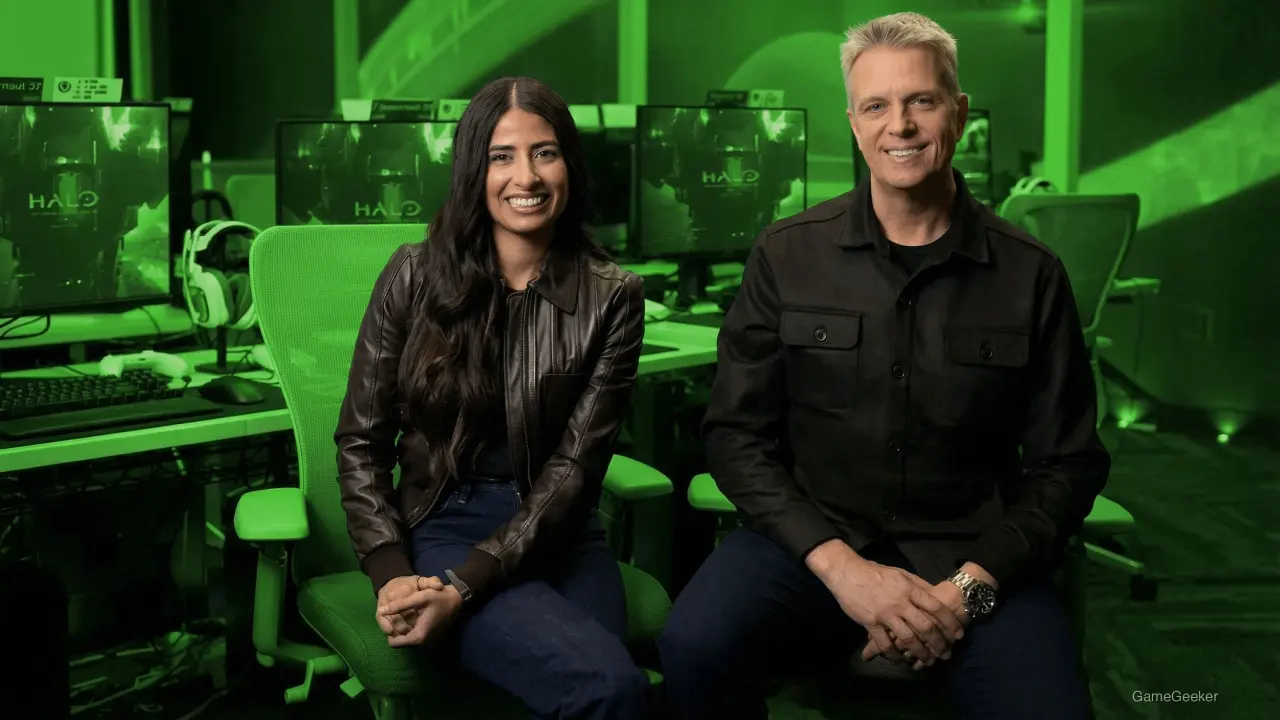
Project Helix makes the broader logic even clearer. Building a next-generation console demands close coordination across hardware, system software, ecosystem, and services; if one part falls behind, the whole platform pays for it later. Sharma is bringing in trusted former colleagues while cutting work that no longer fits the direction, and the underlying aim is obvious: stop resources from being scattered and clear the path for the next Xbox. That approach makes sense. Platform competition is rarely won by flashy one-off ideas. It is usually decided by long-term execution.
For ordinary players, this news will not immediately change the experience on the console sitting under the TV. It is still worth watching, because it will shape whether the next Xbox becomes a more focused platform or keeps burning time and resources across too many parallel bets. For anyone following the business, the signal is also pretty clear: Microsoft is putting more weight on technical integration and organizational efficiency at Xbox, rather than stacking on every concept feature it can. Once leadership starts choosing what to cut, it usually means preserving the current board is no longer the priority. The push is to seize initiative again.





Comments 0
Share your game review
Join the discussion and share your review of this game.
No comments yet. Share your review.