
Treating the metroidvania as nothing more than a lock-and-key map genre misses where the form has actually evolved. What separates the best examples now is how character growth, resource management, route recovery, and combat decisions interlock. This list ranks nine games by overall influence, focusing on works with a strong strategic bent and equally strong action drive. Not every pick is a traditional metroidvania, but each offers a clear mechanical answer to the same core loop: exploration, power growth, and the expansion of possible solutions.
1. Kunitsukami: The Path of Divine Bestowal #

 Eneba¥3,674Steam ¥3,674Zobacz cenę →
Kunitsu-Gami: Path of the Goddess does not stand out because of sprawling detours across a giant map. Its strength is the way it compresses tower defense deployment, base purification, and real-time combat into one tight loop: plan villager roles by day, clear routes and resource nodes, then survive the night with melee combos and positional defense against demon hordes. It feels less like a traditional ability-gated metroidvania and more like a tactical board that can be revised in real time, with every push forward weighing repair, escort, and fire coverage. That sense of situation management is what makes it compelling.
2. Mega Man Star Force Complete Collection #

Do not let the compilation packaging fool you. What makes Mega Man Star Force Legacy Collection special is how it packs high-speed action and deckbuilding into brief, dense combat loops. On the 3x5 battlefield, positioning, invincibility frames, lock-on timing, and battle card draws constantly constrain each other. You need real-time reactions, but you also need to pre-build around attributes, range, and combo routes. It is not a metroidvania in the usual big-map, route-looping sense. Instead, it expands your options through network exploration, chip collection, and tactical iteration. Few peers match its strategic density. And yes, this is still ROCKMAN at its sharpest in structure, not just in branding.
3. Cult of the Lamb #
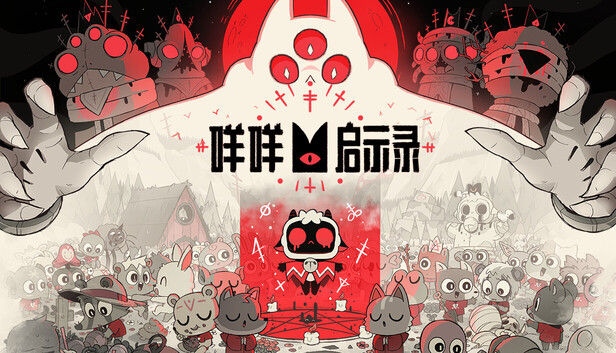
Cult of the Lamb does not rely on map locks to hold its structure together. What hooks you is the pressure loop between dungeon runs, village management, and cult expansion. The dungeon side is light roguelite action, fast and unforgiving. The cult side compresses resources, faith, rituals, and follower condition into a constantly running backend system. Every expedition is preparation for the next route unlock, the next combat upgrade, and the next attempt to stabilize internal order. That back-and-forth, where frontline fighting and rear-line management feed each other, gives it a stronger sense of ongoing simulation than simple ability-gated progression.
4. Inscryption #
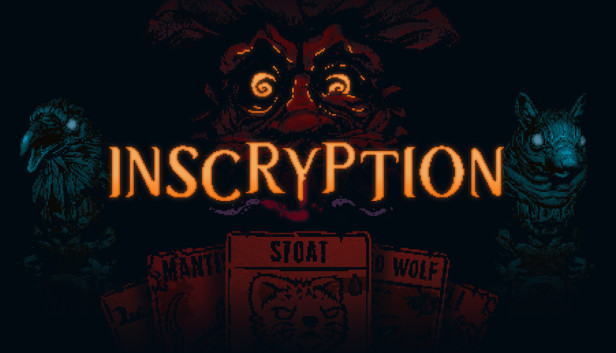
Inscryption does not advance by opening map gates. It puts the expansion of possible solutions directly onto the card table: sacrifice, bones, sigil inheritance, and item mind games constantly rewrite your sense of deck efficiency. Its sharpest move is twisting roguelite deckbuilding, tabletop-style resource exchange, and room-based puzzles into a single loop, then letting out-of-run exploration pry open the rules of the run itself. Compared with the usual metroidvania rhythm of unlocking a skill to open a path, this feels more like using knowledge upgrades to access the deeper structure of the system. It lingers.
5. Library of Ruina #
 Steam¥3,090Zobacz cenę →
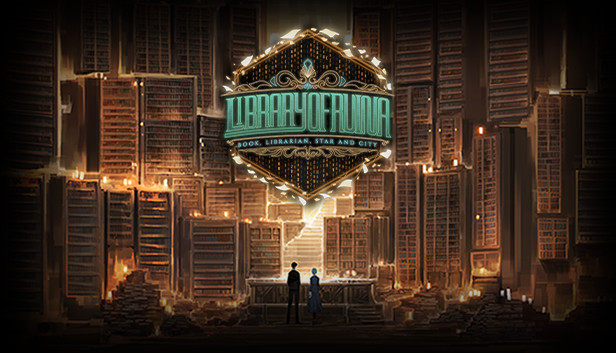
Library Of Ruina does not build progression around terrain locks. Instead, it pushes solution expansion into decks, pages, and its emotion system. The clash system may look turn-based, but it is heavily driven by resource operations: speed dice allocation, page cycling, Light management, and abnormality page decisions all lock together layer by layer. Every reception is a deck check. If you fail, the problem is often not raw numbers, but a broken chain of understanding. It relocates the feeling of exploration from the map to the process of dismantling and understanding mechanics, and the deeper you dig, the more absorbing it becomes.
6. Magic Defense Line 3: Soul Harvest #

 Kinguin¥503-89%Steam ¥503Zobacz cenę →
SpellForce 3 Soul Harvest is not a traditional metroidvania, but it handles the equation of expanding abilities and expanding solutions with real confidence. Hero skill trees, equipment affixes, and RTS army composition all interact with each other, so progression is not just map clearing, but the constant reassembly of your tactical interface. Its value is not in locks and keys on the map. It comes from how the campaign keeps twisting RPG progression, resource management, and real-time battlefield judgment into one rope. Compared with games that focus mainly on action feel, this parallel rhythm of macro command and micro casting offers a more satisfying systems-driven payoff.
7. Magic Force 3: Fallen God #

SpellForce 3 Fallen God is not a traditional metroidvania either, but it clearly understands how unlocking abilities can rewrite both routes and battle states. It ties tribal management, a hero squad, and RTS progression into one structure: fighting over resource points determines your expansion tempo, while skills and building upgrades keep opening new solutions. Even map cleanup is not just housekeeping. It lays the groundwork for stronger economies and unit mixes in later campaign stages. Compared with similar games that lean harder on narrative or pure combat, its biggest strength is how firmly the systems connect.
8. Barotrauma #
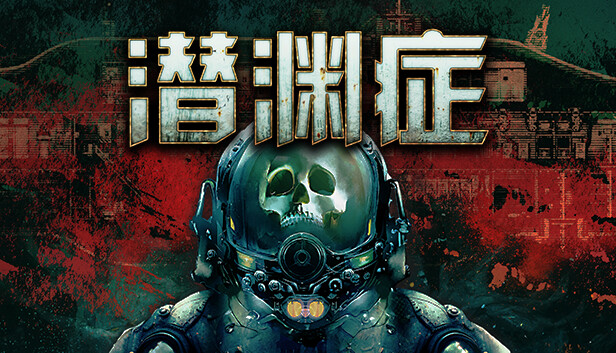
Barotrauma is not a typical metroidvania, but it rewrites ability unlocks as full-submarine system coordination. Exploring deep-sea ruins and taking contracts are only the surface layer. The real appeal is the decision chain that emerges when power, oxygen, repairs, medicine, and combat all start failing at once inside a sealed hull: patch the breach first, or put out the fire first, or risk sending someone outside to salvage resources. Progression is not driven by a single key. It comes from team roles, class growth, and ship modification steadily expanding what counts as a viable answer.
9. Alien: Darkness Descends #
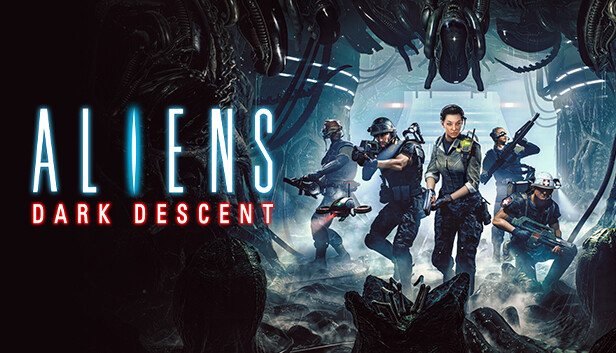
Aliens: Dark Descent is not a traditional metroidvania, but it nails the addictive appeal of repeated infiltration across the same region. You keep advancing through one large map while shortcuts, sealed zones, mission triggers, and shifting enemy conditions continually reorganize your route. The core tension comes from real-time squad command: suppression, noise, sightlines, trauma, and resource drain all interact at once, so extraction versus pushing onward is always an active choice. Unlike action games centered on individual execution, it puts far more weight on battlefield information management and long-term attrition control.
The key to combining strategy with the metroidvania idea is not simply stacking genre elements. What matters is whether gaining new abilities truly changes how you evaluate combat, routing, and resources. These nine games represent several of the most fully realized versions of that design direction, from genre experiment to mature systems craft.






Komentarze 0
Chętnie poznamy Twoje zdanie
Dołącz do dyskusji i podziel się opinią o grze.
Brak komentarzy. Dodaj swoją opinię.