





















Opening
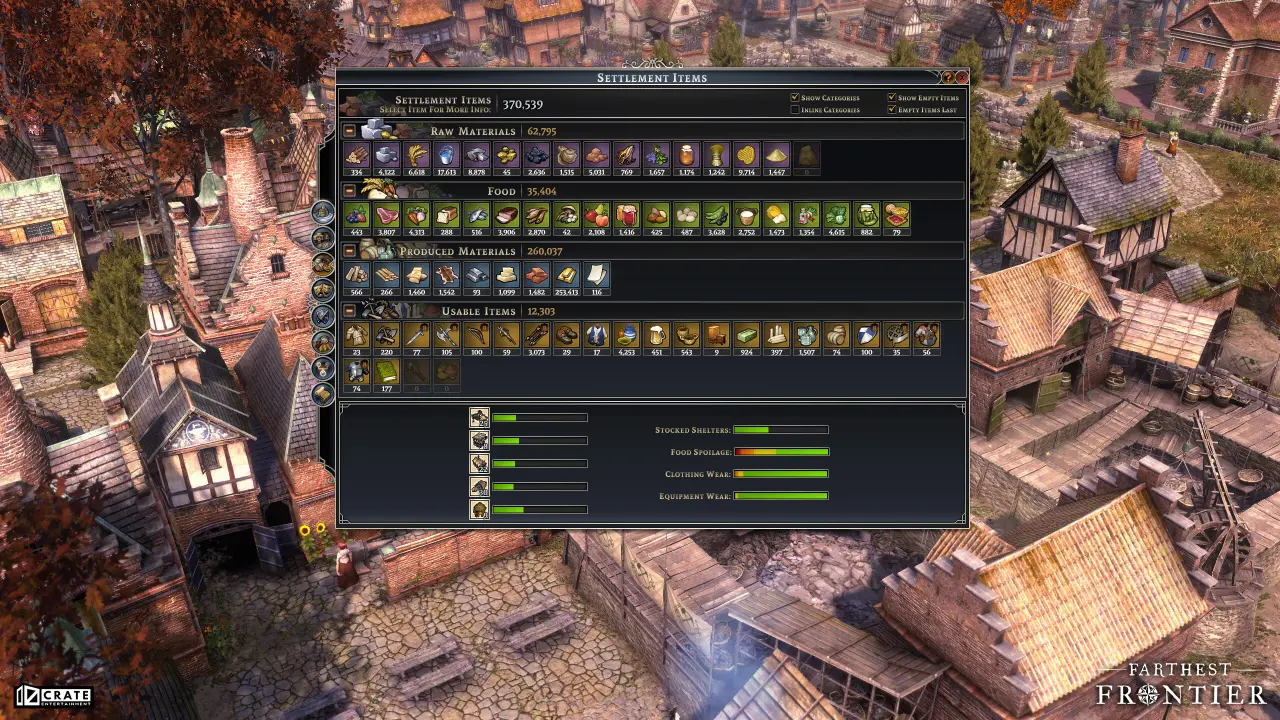
I first realized that food could spoil in the third winter. The warehouse was filled with wheat harvested in summer, and I thought I could rest easy—until spring came and I discovered half the grain had molded. Over a dozen villagers starved to death, and the rest began to flee. The game doesn't warn you in advance; it just lets you suddenly discover on some quiet morning: you miscalculated.
Gameplay Depth | 8.0/10
Rozgrywka: 8/10This is a game that embeds "management" into its very core. On the surface it's about building houses, farming, and chopping trees, but dig deeper and you realize every decision is a race against time. The food spoilage mechanism isn't decorative—it forces you to plan storage methods in advance, calculate consumption rates, and even consider how seasonal changes affect shelf life. I didn't learn to use root cellars to slow decay until my fifth year; the food I wasted before that could have fed another village.
The challenges are historically grounded. Droughts reduce crop yields, blight destroys entire fields, smallpox outbreaks hit when you're unprepared, and bandits come knocking when you're at your weakest. These events aren't random disasters—they're genuine hardships medieval colonies faced. You need to stockpile medicine in advance, train militia, diversify crops—each requiring already-stretched labor and resources.
The basic building system is simple enough to need no tutorial. Place structures, assign workers, set priorities—no different from other city builders. But simple doesn't mean shallow. When you have thirty villagers, five crop types, two mines, and a trade caravan, you realize you're not "building" anymore—you're "orchestrating." Who chops wood, who farms, who finishes the warehouse before winter—every decision shows its consequences two months later.
Visual Presentation | 7.5/10
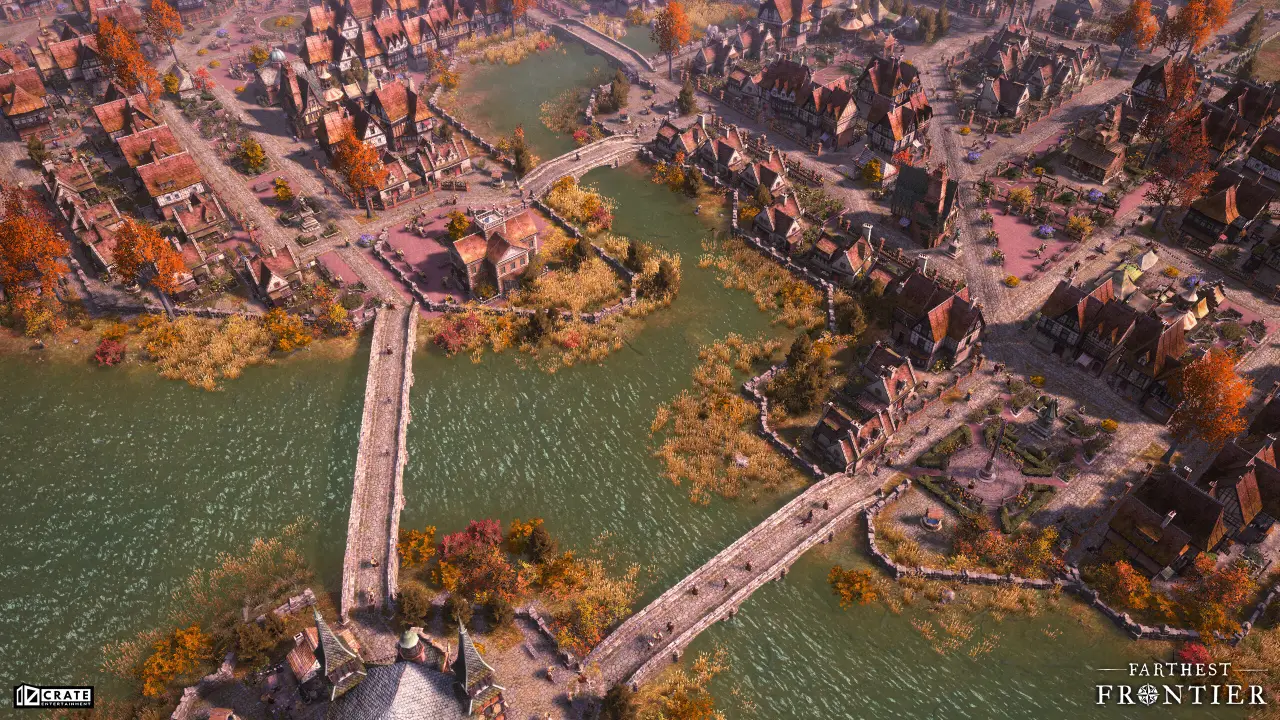
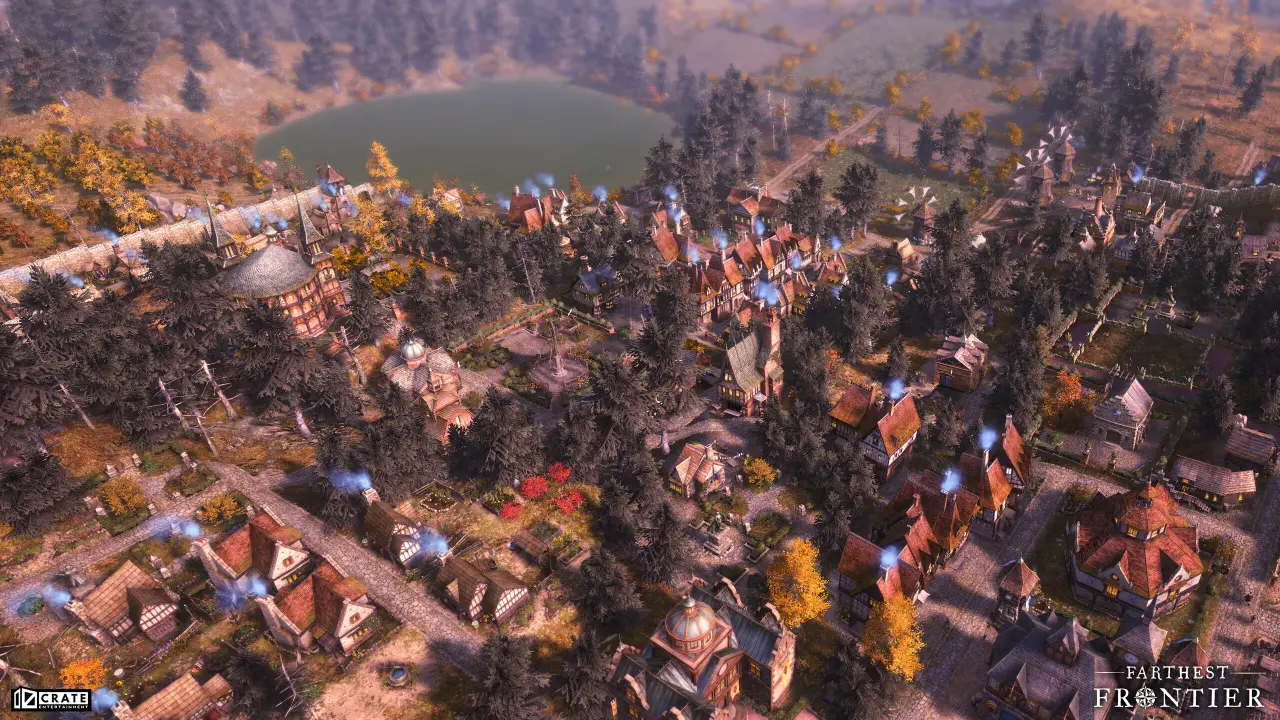
Grafika: 7.5/10Four biomes, each with its own character. Forest zones are rich in timber but cramped for space, plains suit large-scale farming but lack stone, river valleys have water advantages yet are prone to flooding. These environments aren't just texture swaps—they genuinely affect your construction strategy.
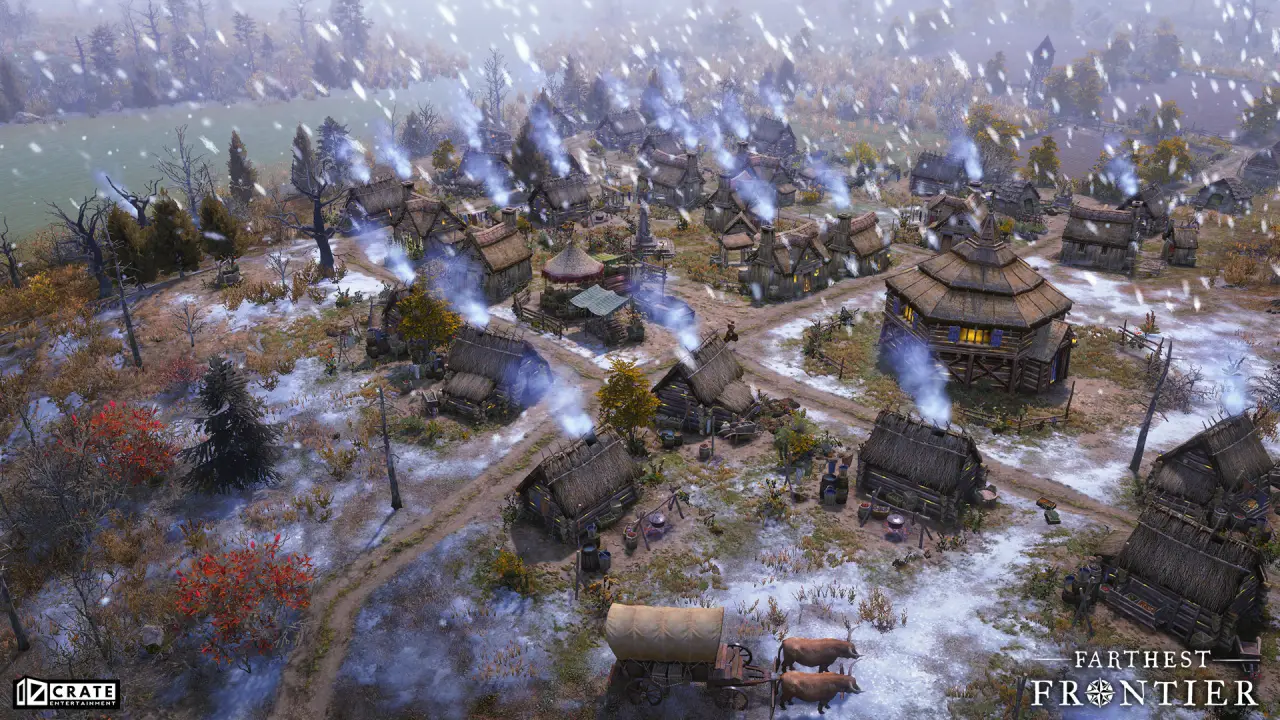
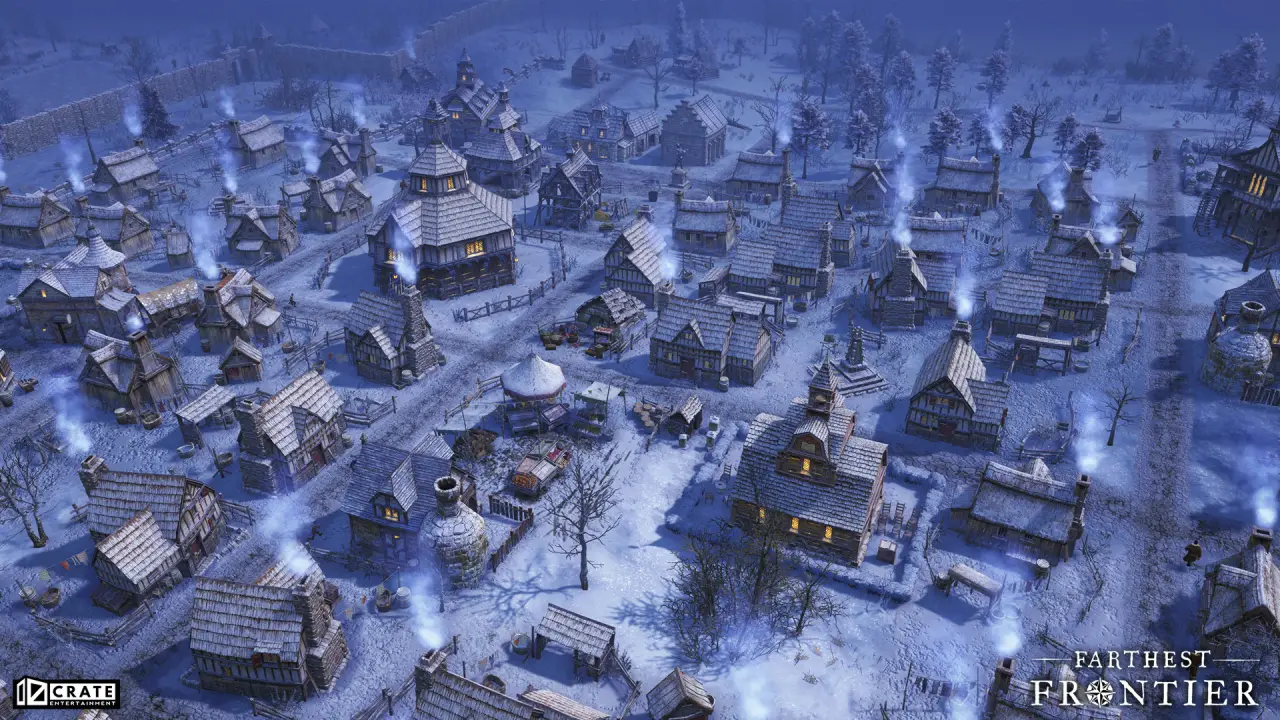
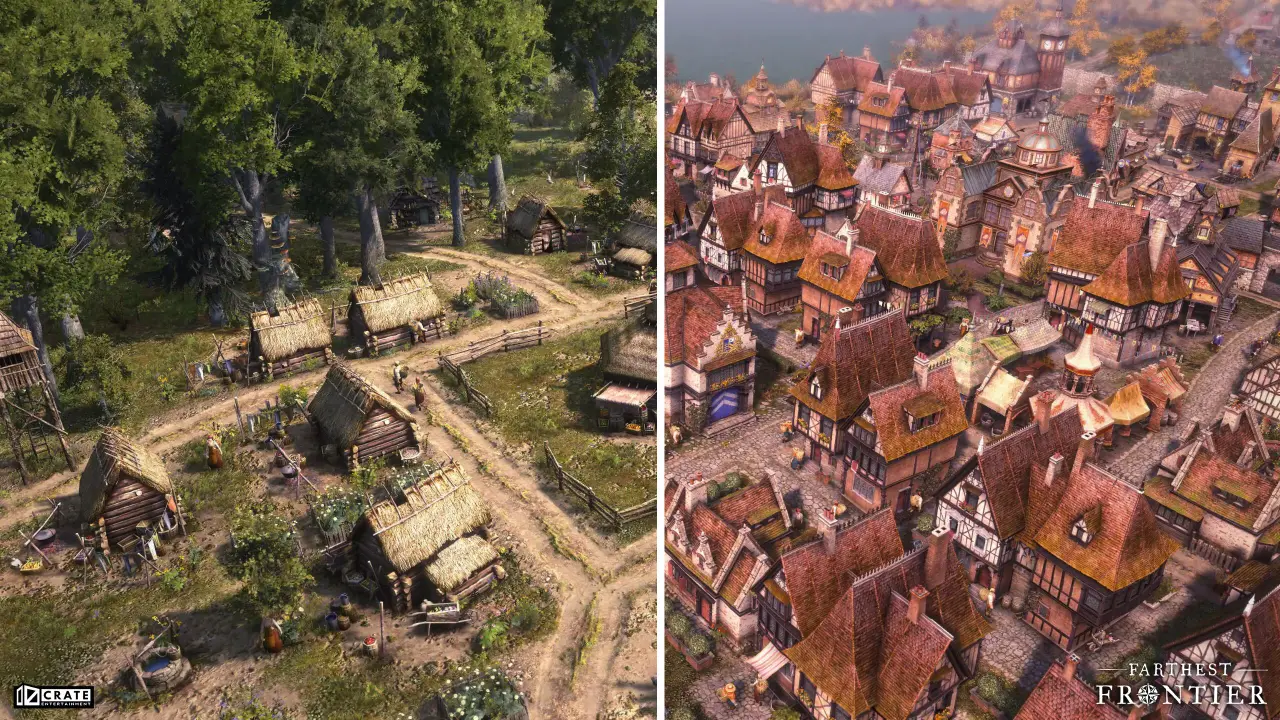
The medieval style is done with restraint. No flashy effects, no over-rendered lighting, just plain wooden houses, stone walls, dirt roads. This plainness actually makes the village's growth more convincing. From three thatched huts to twenty brick houses, you can see every step of accumulation. Winter snow covers the roofs, autumn leaves blanket the streets—details are sparse, but they're all where they should be.
The overhead perspective is a double-edged sword. It lets you clearly see the entire village layout, making it easy to plan roads and building positions. But it also strips away that sense of "walking into the village" intimacy. You're always a god's-eye manager, never one of the villagers.
Content Depth | 7.0/10
Zawartość: 7/10Early access version, you can tell it's still being polished. The first ten hours feel very fresh—each season brings new challenges, each expansion requires solving new problems. But by mid-game, repetition starts to show. Building the fifth village is almost the same process as building the first. Environmental challenges are diverse, but the ways to handle them gradually solidify into routines.
The depth lies in the details. Resource management isn't just adding and subtracting numbers—you also need to consider transport distance, storage conditions, and seasonal fluctuations. Population management isn't just assigning jobs—you need to balance age structure, skill development, and family formation. These systems individually aren't complex, but combined they can keep you discovering new optimization opportunities even after dozens of hours.
The problem is the lack of long-term goals. There's no end to the tech tree, no story climax, no concept of "beating the game." You just keep building, expanding, and responding to crises until you decide you've had enough. Some people like this openness, but it can also make you lose motivation once you reach a certain point.
Narrative Expression | 6.0/10
Fabuła: 6/10There's no story to tell. You arrive at new land with a dozen weary settlers, and then it's just survival and construction. No background plot, no character development, no quest lines. Villagers are just data units—they have names, skills, family relationships, but no personalities.
This design isn't a flaw, it's more of a choice. The game hands narrative authority to the player—you weave the story of each village yourself. That blacksmith who survived the plague, that merchant who led the caravan through a blizzard, that guard who sacrificed themselves during a bandit raid—these stories exist in your mind, not in the game's text boxes.
But this also means emotional connection is weak. When a villager dies you feel bad about losing the labor, not sad for the person. When the village prospers you're satisfied with the data growth, not relieved for the fate of these people.
Sound Effects Atmosphere | 7.0/10
Dźwięk: 7/10The ambient sound is done just right. Wind, birdsong, flowing water, the sound of an axe chopping wood—all present where they should be, no more, no less. When there's no music, these sounds become the background; when music plays, they blend in naturally.
The music takes a low-key approach. Most of the time it's soothing strings and woodwinds, with occasional tense drumbeats during critical moments. It won't leave you humming melodies, but it won't feel noisy either. Its role is more like an atmosphere regulator—keeping you from feeling bored during long building sessions.






Komentarze 0
Chętnie poznamy Twoje zdanie
Dołącz do dyskusji i podziel się opinią o grze.
Nie ma jeszcze komentarzy. Napisz, co sądzisz o tej recenzji.