
Aktualność
Big Walk Breaks 1 Million as a PS+ Freebie Still Sells Big
Big Walk has officially surpassed 1 million global sales, while its PC version holds a 92 Metacritic















According to Gematsu, ACQUIRE has confirmed that the Akiba's Trip series has passed 1 million units worldwide across physical shipments and digital sales as it reaches its 15th anniversary. The original Akiba's Trip launched on PSP on May 19, 2011, while Akiba's Trip 2 debuted on PS3 and PS Vita on November 7, 2013. For a franchise so tightly bound to one real-world district and one specific subculture, that number feels less like a surprise breakout than a well-earned milestone.
What has kept the series alive is not just its instantly recognizable strip-based combat. Akihabara itself has never been treated as a disposable backdrop. Its streets, signs, and storefronts are the real frame of the series, the place where character movement, conflict, and identity gradually come into focus. That is why Akiba's Trip has endured: it turned a hub of otaku culture into a playable narrative space. ACQUIRE even did on-location reference work and collaborated with multiple real local shops to recreate the district's streetscape, commercial layout, and subcultural atmosphere. For a game released around 2011, that carried an almost documentary kind of ambition.

If you reduce the series to an action-adventure built on a gimmicky premise, you miss the part that actually lasts. Its world is centered on creatures lurking in Akihabara, with players fighting these inhuman threats in the city's backstreets while protecting the district's peace. The structure resembles a certain kind of B-movie urban fiction: exaggerated action and spectacle on the surface, but underneath it, a stubborn effort to preserve the spirit of a place. That is what gives the combat, exploration, and story-driven puzzle solving more weight than a simple stack of systems.
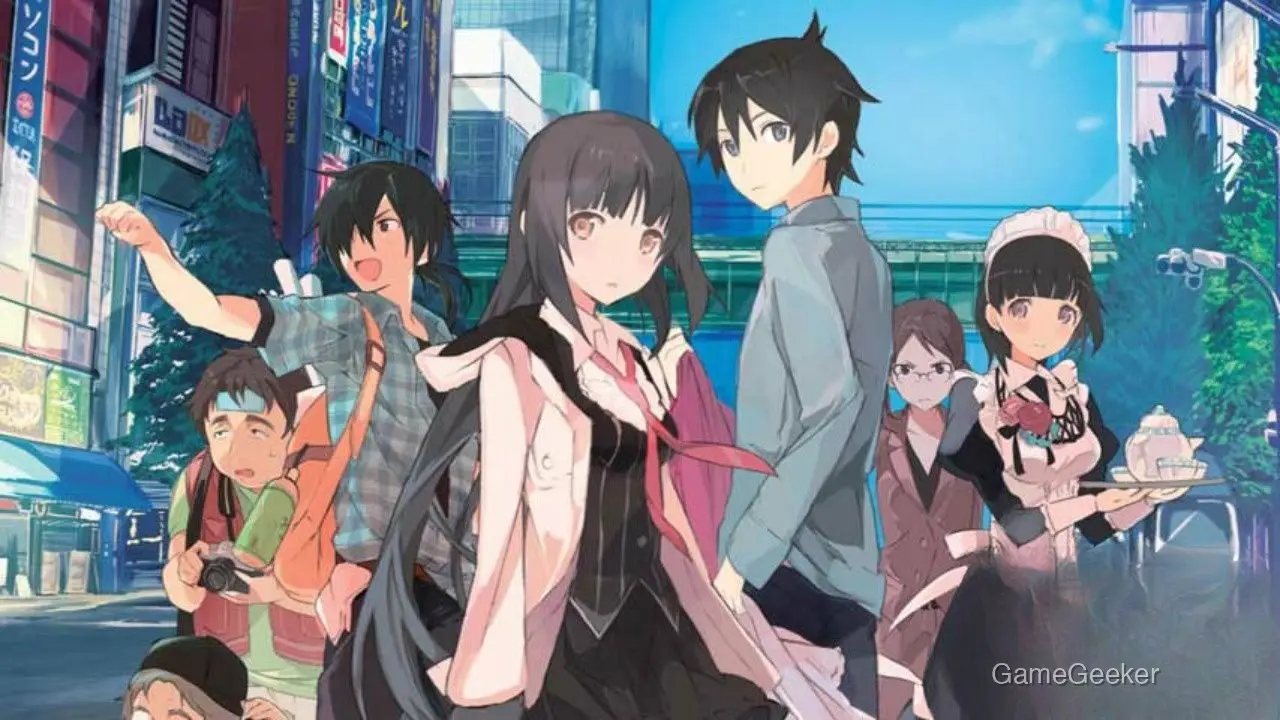
That is also why the property was able to expand into manga, anime, and other media. What it offers is not a single mechanical hook, but a vivid set of character dynamics and a strongly imagined version of the district itself. Akiba's Trip 2 launched in 2013 on PS3 and PS Vita, then later came to PS4, PC, and Switch, effectively carrying that setting forward to new audiences. On May 20, 2021, ACQUIRE released Akiba's Trip: Hellbound & Debriefed, a remake of the first game that upgraded the visuals and controls while preserving the original story and core gameplay. It was not an aggressive reinvention, but it did a careful job of protecting the original's personality.
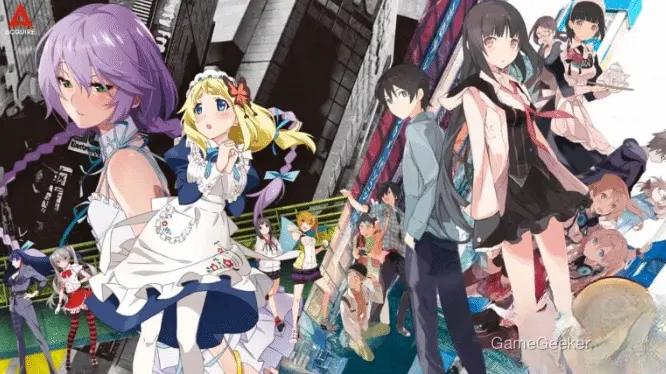
Still, the more interesting point is what 1 million means for a series with such a strong regional and cultural imprint. It is absolutely a result worth recording, but it feels more like a neatly written phase summary than the opening line of a new chapter. ACQUIRE has not announced any plans for a brand-new mainline sequel. That leaves Akiba's Trip in an oddly delicate position: remembered, revisited, and continually ported, but still waiting for a genuinely new sentence in narrative terms. The pause is not jarring. It is just a little disappointing.

If you are coming to the IP for the first time, the recommendation is fairly straightforward. If you care more about period texture and the appeal of the starting point, begin with Akiba's Trip: Hellbound & Debriefed. If you value platform convenience and a more mature version of the formula, Akiba's Trip 2 is the safer entry point. This may not be the most ambitious urban adventure series on the market, but its handling of district identity, subcultural atmosphere, and character placement still has a texture that is hard to replace. That is why 15 years and 1 million copies feel like both overdue applause and a quiet reminder to ACQUIRE: this story does not really feel finished yet.


Komentarze 0
Chętnie poznamy Twoje zdanie
Witaj! Napisz, co sądzisz o tej grze — pierwsza osoba może się mile zaskoczyć.
Nie ma jeszcze komentarzy. Napisz pierwszy.