
Aktualność
Bunny Garden 2 Adds Twin-Tail Lolita Roro in New Update
Bunny Garden 2's new 10-second trailer shows a twin-tailed lolita character in a sweet-yet-cutting promo. With six heroi
















Over the past two years, when talking about Capcom, players might still casually joke and call it “Crapcom,” but the truly interesting change is not in the price tags at all. It is that the emotional tone of its works has clearly begun to shift. The recently discussed Resident Evil 9 and Pragmata are no longer just using crises, monsters, and worldbuilding to stimulate players’ nerves; they are also placing family, responsibility, and protection much closer to the forefront. This adjustment is not flashy, but it feels very much like a strategic upgrade from a mature studio: when gameplay is already solid and dominant, the next thing to compete on is whether character relationships can leave behind a lasting warmth.
According to the article, in Resident Evil 9, Grace voluntarily embarks on a high-risk path of redemption in order to save Emily, who has been infected by a virus. The most intriguing part of this setup is not “someone got infected again,” but that Capcom has directly tied the motivation for action to the person being protected, giving the horror narrative an additional layer of emotional pull. In other words, what players face is not just the pressure to survive, but also the psychological drive of “I have to save someone,” which makes the story more immersive.

On the other hand, in Pragmata, the bond between the mechanical girl Diana and the protagonist Hugh is described as carrying the depth of a father-daughter relationship. This kind of connection is especially effective in science fiction, because there is a natural contrast between cold settings and warm emotions. If handled well, it can pull characters back from being merely “conceptual designs” into “real relationships.” Capcom is clearly trying to do something here: make players remember characters not just because they fight well, look cool, or have novel settings, but because they have connections with others that are worth protecting.

That is also why comments like “saving the birth rate” and “awakening paternal instincts” have appeared online, half-joking and half-serious. The original text also mentions that Elon Musk once warned that if Japan’s low birth rate continues, its population problem will become extremely severe; the article then links Japan’s real-world aging and declining birth rate crisis with the increasingly emphasized family-centered storytelling in Capcom’s games. This conclusion may not necessarily hold up directly, but it at least shows that players have begun to read a studio’s creative direction as a kind of cultural attitude.

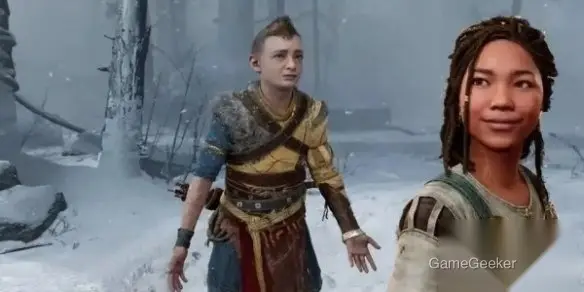
What is more controversial is that the article compares Capcom with some Western studios, arguing that the latter often spark discussion because of an excessive pursuit of “political correctness,” and it cites the redesign of Angrboda in God of War: Ragnarök as an example. In my view, the most important thing in this kind of comparison is not taking sides, but whether character design serves the internal logic of the work. Capcom is being praised now not because it is “going against the trend,” but because, based on the information revealed so far, it has at least made emotional expression, character relationships, and the direction of its worldbuilding appear consistent. That is especially crucial for narrative-driven games.

From a broader trend perspective, mature AAA studios will likely continue strengthening the combination of “high-concept settings + low-threshold emotions.” Monsters, apocalypses, and mechanical lifeforms serve as the outer shell that grabs attention, while family, protection, and responsibility serve as the core that broadens emotional resonance. For ordinary players, whether they accept this direction really comes down to one thing: would you rather remember a set of correct postures, or a character willing to risk everything for someone important? At least for now, Capcom’s move is indeed smarter than simply shouting slogans.





Komentarze 0
Chętnie poznamy Twoje zdanie
Dołącz do dyskusji i podziel się opinią o grze.
Brak komentarzy. Dodaj swoją opinię.