
Aktualność
Grab two free PC games before Epic's clock runs out, while Undertale and Divinity: Original Sin 2 are 75% off
Astral Ascent and LUFTRAUSERS are free to keep today, while two of PC gaming's most celebrated RPGs cost less than $14 c
















When I first saw this old news story, what came to mind first wasn’t the technical debate, but that feeling of grievance—like “you clearly saw the future, yet before anything else, someone drenched you in humiliation.” Recently, Seamus Blackley, known as the “father of Xbox,” recalled in an interview with Expansion Pass that when he was promoting Halo: Combat Evolved back in the day, he was splashed with a drink on the spot by aggressive gamers simply because he believed it could work on a console. It’s such a vivid, cutting image: someone earnestly explaining what they believe in, only to be interrupted in the crudest possible way.
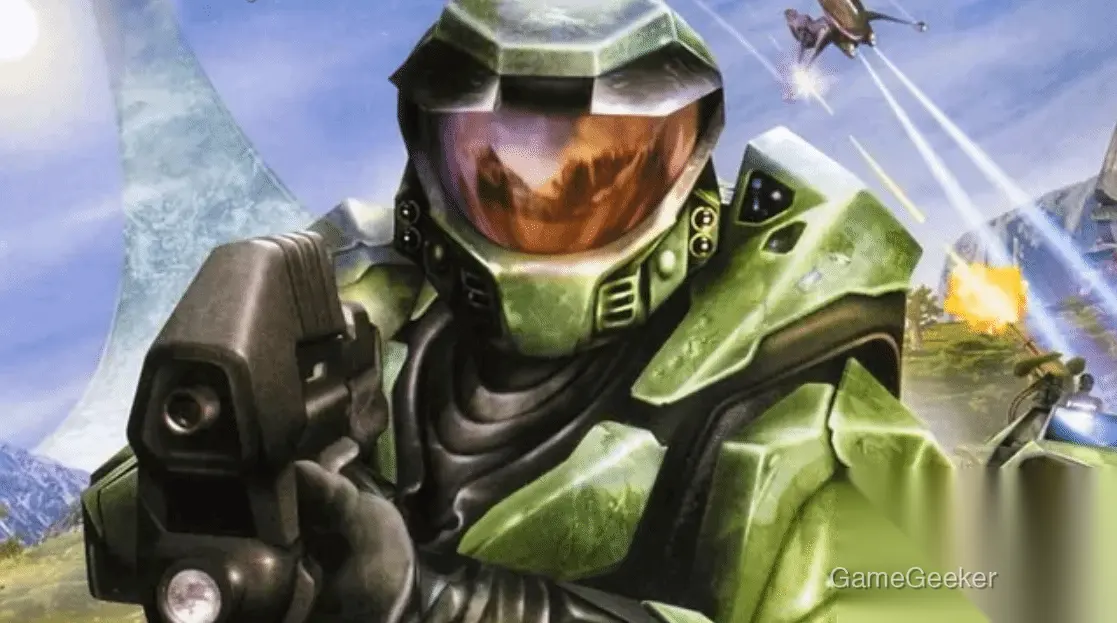
As for Blackley himself, this experience actually gave me a bit more empathy for people in the role of “industry pioneers.” He wasn’t telling some airy success myth; he was talking about how he kept pushing forward under skepticism at a time when console FPS games had not yet been widely accepted. Back then, many PC gamers were convinced that “without a mouse, FPS games simply can’t be played on consoles,” and they argued fiercely over it. But an argument is one thing; throwing a drink on someone is something else entirely. That’s not love for games—it’s turning a sense of superiority into aggression, and it’s deeply unpleasant to watch.
What struck me most is that this bias wasn’t entirely without its historical context. At the time, console FPS games really were far less mature than PC titles like DOOM and Quake, so it was natural for many people to see keyboard-and-mouse controls as the “proper” way to play. But GoldenEye 007 had already proven that FPS games don’t suddenly stop being fun just because you’re not using a keyboard and mouse. It’s just that when people stay too long within a familiar circle, it becomes easy to mistake “what I’m used to” for “the only right way.”
But what really gives this story its weight isn’t the drink-throwing incident itself—it’s what happened afterward. With his background in physics, Blackley always believed that consoles could do FPS games well too, and the facts proved he was right. Halo didn’t just become Xbox’s flagship title; it also became one of the central pillars that defined the identity of the original Xbox. It helped drive the rise of FPS games on consoles and influenced the design direction of many later shooters. That kind of impact is like an underdog no one believed in, who ended up dragging the entire track into a new direction.
From a broader perspective, this is also a story worth revisiting for today’s players. Every time a new platform or control scheme appears, voices inevitably emerge in the community declaring, “This thing will never work,” with a certainty that sounds like they’ve already sentenced the future to death. But the evolution of games has never been a single-choice question. PC and consoles were never about one eliminating the other; each developed its own strengths through different kinds of experiences. What made Halo: Combat Evolved so valuable back then was precisely that it won console FPS games a chance to be taken seriously.
If you’re already a Halo fan, this piece of dark history may help you understand why it’s more than just a classic IP; behind it is also a feeling of “it was doubted once, which is exactly why its success feels so hard-won.” If you generally prefer PC shooters, I think this story is still worth reading, because it reminds us that community expression can be sharp, but disagreement should never become an excuse to humiliate others. The most fascinating moments in gaming have never been about one side overpowering the other, but about someone daring to make something real that no one believed in.




Komentarze 0
Chętnie poznamy Twoje zdanie
Dołącz do dyskusji i podziel się opinią o grze.
Brak komentarzy. Dodaj swoją opinię.