Aktualność
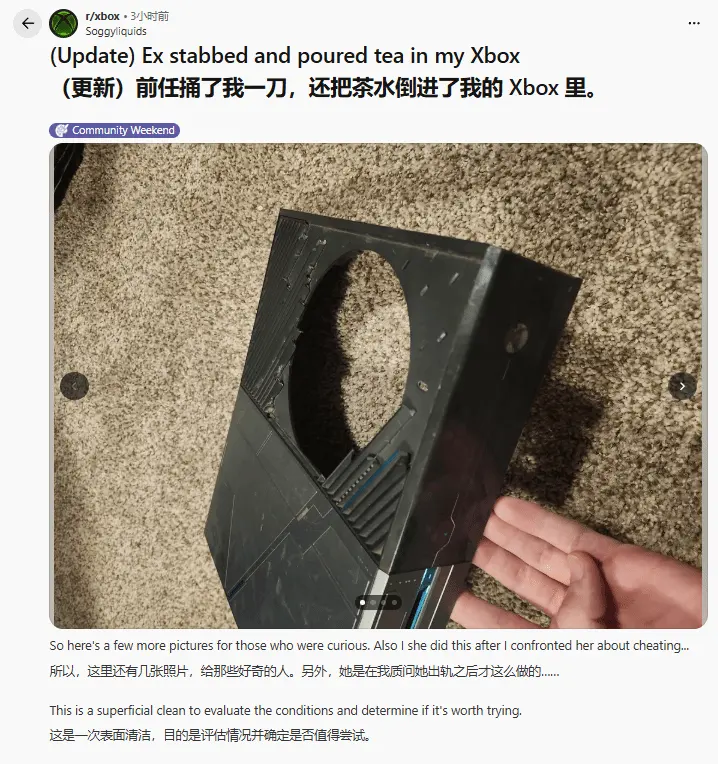
Halo Limited-Edition Xbox Damaged, Repair Still Uncertain
An overseas player was stabbed by a former partner and had a limited-edition Xbox damaged; they plan
















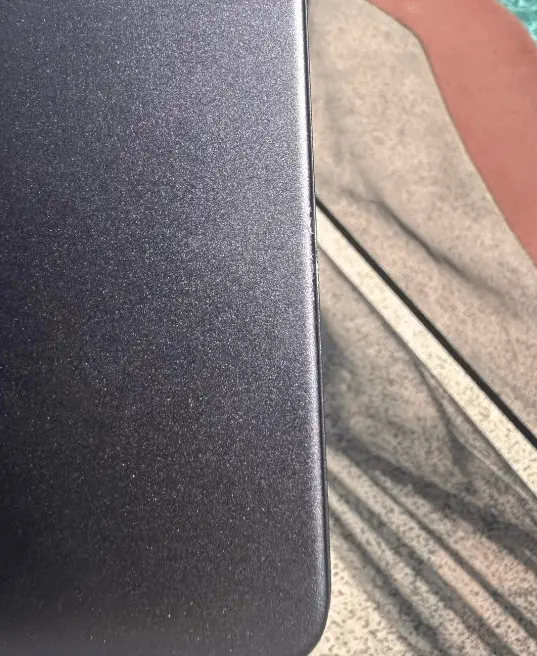
The dent on the metal frame looks like the surface of a lake after a sudden downpour—light falls into it and breaks apart, and even your fingertips can read that uneven shadow. But in this repair video from China, a damaged iPhone 17 Pro Max is slowly ground smooth, filled, and polished, until it seems to emerge from the mist all over again. Watching that aluminum back panel return to calm, I even had the illusion of opening the level-completion screen of Repair Simulator.
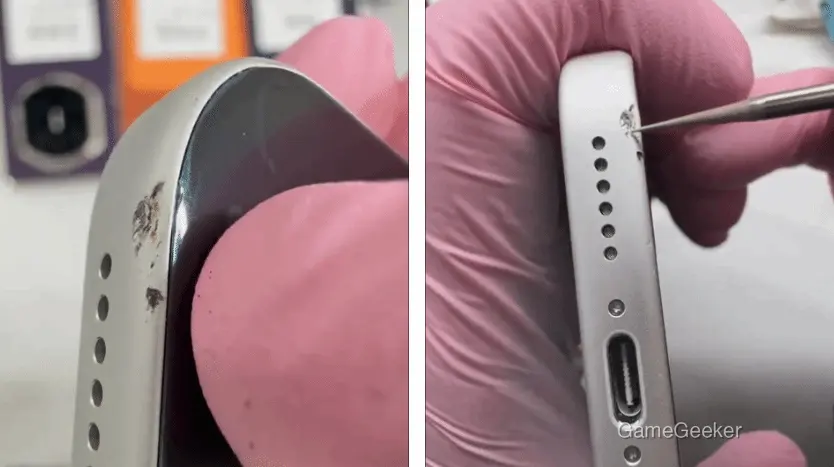
Back to why this went viral in the first place: according to foreign media outlet wccftech, this Chinese repair video sparked plenty of discussion on overseas social media. In the footage, the technician didn’t take the traditional “just replace the housing” route, but instead used professional tools to deal with the obvious dents and scratches on the back of the phone. Grinding, filling, polishing—step by step, it felt like automotive bodywork and repainting, except the stage had been shrunk down to something that fits in your palm, and the margin for error had been compressed to almost nothing.

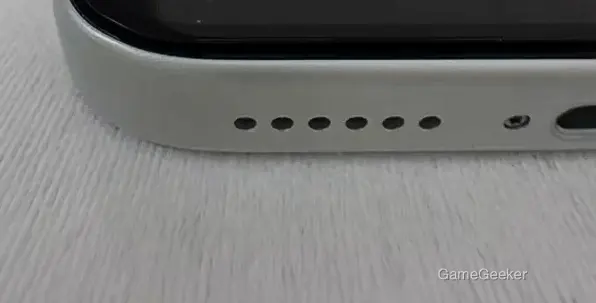
The part that really makes you hold your breath is how, once it’s finished, there’s almost no visible trace of use left. Phones are such everyday objects: one drop, one knock, and it’s like the first leaf of autumn being crushed underfoot—the sound is small, but it stings. Foreign media also noted that after the iPhone 17 Pro Max returned to an aluminum body, it may be more susceptible to this kind of cosmetic damage, which suddenly makes “repair” feel like a much more tangible option.

But beyond the footage itself, what’s truly interesting here is how consumers in different markets make different choices. One line in the article puts it bluntly: “When a phone is accidentally damaged, choosing ‘repair’ rather than ‘replacement’ is the more cost-effective and pragmatic option in China.” This isn’t just a story about saving money; it reflects an entire ecosystem that has grown out of a mature repair supply chain, tool availability, technicians’ experience, and user demand—like vines quietly spreading in the humid southern climate, dense yet full of vitality.

By contrast, in the U.S. market, foreign media said there is still no equivalent service for this level of “non-destructive repair” to a phone body. When faced with similar damage, many consumers typically choose either to pay steep official out-of-warranty repair fees or to replace the phone outright. The difference here is not just whether the technology exists, but the result of service coverage, pricing structures, and consumer habits all working together; the same phone, in different places, seems to enter two entirely different rulebooks.
If I were to give ordinary users one piece of advice, I’d say this: when cosmetic damage doesn’t affect core functionality, don’t rush to replace the device—first evaluate the repair cost and the technician’s skill level. Especially for expensive flagship models, if body restoration can bring the device close to factory condition, its value lies not only in saving money but also in extending the life of an everyday object. Just as in games I always want to live inside a setting that shows traces of life, good repair in the real world is also about restoring damage from “ruins” back into something “livable.”

Komentarze 0
Chętnie poznamy Twoje zdanie
Witaj! Napisz, co sądzisz o tej grze — pierwsza osoba może się mile zaskoczyć.
Nie ma jeszcze komentarzy. Napisz pierwszy.