
Aktualność
007 First Light Drops to $24.69 in Its First-Ever Sale, Beating the Previous Low
007 First Light gets its first discount, with Green Man Gaming stacking an extra 18% off the 20% official price cut plus
















Hotta Studio's Ananta launched domestic testing on the 23rd and goes global on the 29th, but the Unreal Engine 5 build with path-traced lighting demands serious GPU muscle. I jumped in day one and immediately hit a wall—this isn't a game you run on last-gen hardware.
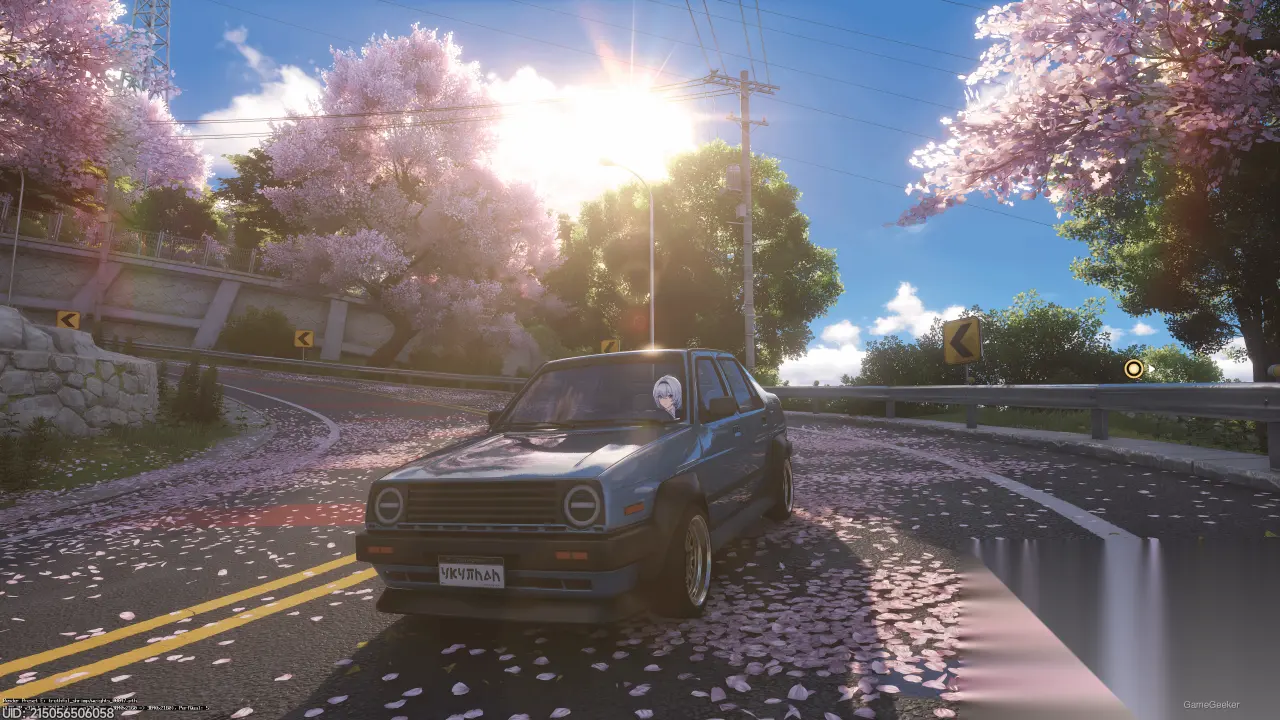
Set in Hetero City, you play an anomaly hunter running an antique shop while investigating supernatural mysteries. The premise sounds edgy, but the atmosphere lands. What stands out is the tech stack: path-traced ray tracing handles light bounces across glass facades, car paint, and water surfaces with physical accuracy. The urban night scenes have genuine depth. The cost? Without a capable card, you're watching a slideshow.
Testing confirms RTX 50-series cards handle 4K high settings with acceptable frame rates. RTX 40-series owners need to reconsider—this game hammers VRAM and RT cores hard. Path tracing was built for newer architectures; older cards require visual compromises to stay playable.
Visuals impress, but optimization needs work. Wait for patches or upgrade to 50-series if you want the full experience. Chinese studios adopting cutting-edge tech is progress, but performance barriers shouldn't lock players out. Hotta delivered on ambition this time—now they need to tune performance without repeating the "great visuals, terrible optimization" cycle that's plagued domestic AAA attempts for years.




Komentarze 0
Chętnie poznamy Twoje zdanie
Witaj! Napisz, co sądzisz o tej grze — pierwsza osoba może się mile zaskoczyć.
Nie ma jeszcze komentarzy. Napisz pierwszy.