Aktualność
Bunny Garden 2 Adds Twin-Tail Lolita Roro in New Update
Bunny Garden 2's new 10-second trailer shows a twin-tailed lolita character in a sweet-yet-cutting promo. With six heroi
















When I first saw the image of the astronaut standing in front of the spaceship in Starfield, I was genuinely moved. That feeling of facing the universe alone is a lot like reconnecting with an old friend who has been silent for a long time—you hope that, at last, he’ll have a new story to tell. But when it comes to the news of this PS5 launch, my feelings are a bit complicated, even somewhat awkward. Because for a highly anticipated AAA RPG, first-week sales of only around 140,000 copies really make it hard to say, “It’s all good.”
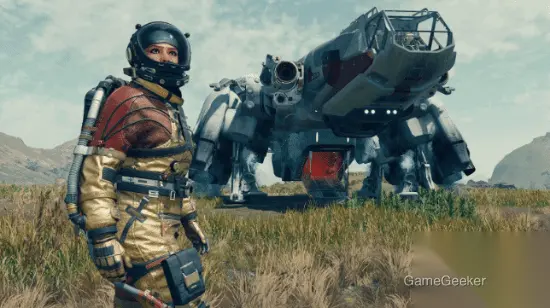
From an industry perspective, analysts have already pointed out that Starfield’s market response after landing on PS5 fell short of expectations. The article also mentioned that these release figures show a clear drop compared with Bethesda’s previous titles, which means this is not simply a case of “selling the same game again on another platform.” For many players, Starfield’s problems are no mystery either. Some core users had already played it early through XGP, so demand to purchase it was naturally diluted. Another group, still on the fence, was driven away by the ongoing technical issues that kept appearing during launch. This kind of damage to word of mouth is often even more harmful than bad reviews themselves.
When it comes to its characters, what disappoints me most about Starfield is not that it isn’t big enough, but that it failed to truly turn “space adventure” into an experience people could emotionally connect with. Experts believe that, compared with similar predecessors, it did not show any real breakthrough in core gameplay and mechanical innovation, and I completely agree with that. If an open-world RPG is left with only “very big,” “full of content,” and “great for wandering around,” but lacks emotional moments that stay with people, then in the end players will only feel tired. It’s like a relationship where you keep investing time but never get a sincere response—sooner or later, the warmth fades.
What did leave a deep impression on me, though, is that the momentum behind Crimson Desert is completely different. Current information shows that this new Korean open-world title has already surpassed sales in the millions within a short time, and its community buzz is still rising. Some in the industry even predict that if it maintains its current growth curve, by the end of the year, its total sales may overtake Starfield. That sounds exciting, but the logic behind it is not hard to understand. The key is that it is seen as incorporating more modern design concepts and dynamic systems, making players feel that the world is alive rather than just a static backdrop.

If you’re still hesitating over whether to buy Starfield right now, my advice would be on the cautious side. If you’ve already tried it through XGP and its gameplay didn’t particularly hook you, there’s no need to rush into buying it just because it has come to PS5. On the other hand, if you care more about freshness in open worlds, system interaction, and community discussion, then Crimson Desert is actually the one more worth keeping an eye on. In the end, the game market is a lot like human relationships: marketing can make your heart race once, but what truly keeps people around are those concrete, genuine experiences.
So Starfield’s lukewarm reception on PS5 this time is not just a matter of ugly sales numbers—it has once again exposed its own shortcomings. Players are not unwilling to give big titles a chance; they just no longer want to pay for something simply because it “should be fun.” Especially now, when competition among similar products is becoming more intense, without real breakthroughs and without stable word of mouth, name recognition alone is no longer enough.




Komentarze 0
Chętnie poznamy Twoje zdanie
Dołącz do dyskusji i podziel się opinią o grze.
Brak komentarzy. Dodaj swoją opinię.