

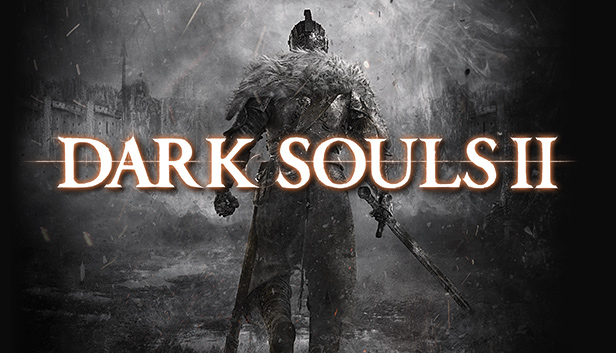

DLCDARK SOULS™ II Crown of the Sunken KingCarregando ofertas das lojas
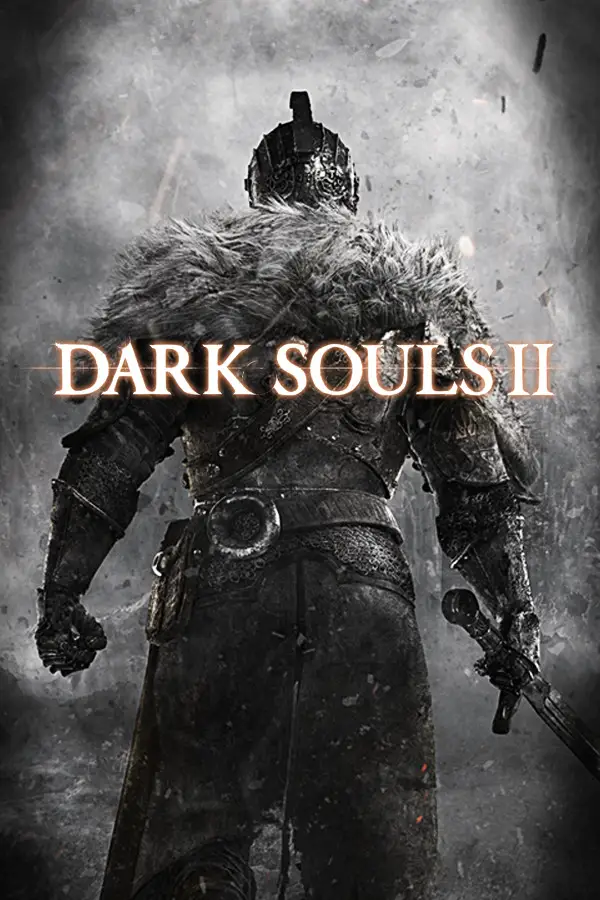
DARK SOULS™ II continua sendo um RPG de ação cadenciado com exploração sombria, personalização e jogo online cooperativo ou competitivo. A versão Steam PC oferece um jogador e suporte total a controle, então serve para uma jornada solo exigente ou sessões online coordenadas. Na  Steam, o preço rastreado é $39.99; use-o junto com o preço atual da Steam e seus planos de jogo, sem presumir tendência.
As análises de jogadores estão em 87% positivas de 33.431 análises, um retrato atual da recepção do público de Steam PC. Se estiver avaliando a compra, compare a oferta da loja com a Steam e confirme primeiro os detalhes de idioma. A oferta atual é ativada em Steam, com métodos de pagamento como Visa, Mastercard e PayPal.
Carregando ofertas das lojasEste jogo entrou há pouco. Registramos os preços dele em todas as lojas todo dia, e o gráfico se completa sozinho conforme os dados se acumulam. Veja a comparação ao vivo acima ou defina um preço desejado: avisamos por e-mail quando alguma loja ficar abaixo dele.
DARK SOULS™ II é um RPG de ação para Steam PC da FROM SOFTWARE, centrado em combate cadenciado, exploração sombria e encontros exigentes, com modo single-player e modos online cooperativo ou competitivo. As análises de jogadores estão em 87% positivas de 33.431 análises. A versão Steam PC oferece suporte a um jogador, multijogador e cooperativo, além de suporte total a controle. Foi lançado em 24 de abril de 2014. Os idiomas de interface incluem Chinês tradicional, Inglês, Francês, Italiano, Alemão, Espanhol, Polonês, Russo, Coreano e Português (Brasil).
| Idioma | Interface | Legendas | Áudio |
|---|---|---|---|
| Chinês tradicional | Sim | Sim | — |
| Inglês | Sim | Sim | Sim |
| Francês | Sim | Sim | — |
| Idioma | Interface | Legendas | Áudio |
|---|---|---|---|
| Italiano | Sim | Sim | — |
| Alemão | Sim | Sim | — |
| Espanhol | Sim | Sim | — |
| Polonês | Sim | Sim | — |
| Russo | Sim | Sim | — |
| Coreano | Sim | Sim | — |
| Português (Brasil) | Sim | Sim | — |
Dados da edição Steam PC · 2026-10-19
A versão Steam PC oferece suporte a um jogador, multijogador e cooperativo, com suporte total a controle.
Há áudio completo em inglês; outros idiomas listados na loja oferecem legendas. Confira a lista atual de idiomas de interface antes de comprar.
Sim. A versão Steam PC lista um jogador junto com multijogador e cooperativo.
Sim, o suporte total a controle está indicado para a versão Steam PC.
A data de lançamento no Steam PC é {releaseDate}.
As análises de jogadores da Steam estão em {rating} positivas de {reviewCount} análises.
“Veterans willing to wrestle sixty hours of harsh rules get hooked, while players wanting easy guidance should look elsewhere.”
Dark Souls II is, in the end, a very clear multiple-choice question put to the player. Are you willing or not to spend sixty hours — likely more — locked in a contest of wills with a rule set that does little to flatter you yet remains entirely self-consistent? Everything else flows from how honestly you answer that.
From the moment-to-moment combat to the storytelling, on through the scenery and the sound, it holds a single line throughout: it does not pander, but it respects every ounce of serious effort you bring. The fights are hard, the penalties heavy, the routes many, and even your healing ceiling can be converted into psychological pressure — none of which exists merely to crank a difficulty dial. All of it keeps asking you the same underlying question: do you actually want to keep walking this road?
If your answer is yes, those sixty hours amount to far more than grinding numbers and ticking off a completion bar. You will carry away specific roads, the particular menace of certain regions, and the story threads you teased out of an NPC's scattered half-sentences. The "mystery" and "magnetic atmosphere" so many reviews reach for do not come from grand spectacle; they come from these small, continuous, accumulating signals that the game trusts you to notice.
That is the quiet contract at the center of the whole experience. The world gives sparingly and asks much, and in return it makes the things you do earn feel genuinely yours. Players who lean in find a setting that keeps paying out long after the credits, precisely because so little of it was handed over for free. It is the kind of game you end up talking about in specifics rather than slogans — not "the combat was good" but "the second time through the harbor I finally understood why that bridge was built the way it was." The memories it leaves are granular, and granular memories are the durable kind. That texture is the real return on the sixty hours, and it is why the people who finish it tend to recommend it in the same low, deliberate tone the game itself speaks in.
Of course, this is not a work everyone can enjoy without friction. The steep difficulty and the oppressive temperament will turn a portion of people away, and the nonlinear structure and restrained narrative have no intention of catering to every palate. Yet if you are willing to accept those terms up front, a journey of genuinely solid quality is more or less guaranteed.
Measured against the evolution its faster, more polished successor represents, this entry still holds ground its sibling cannot quite occupy. The third chapter refines the swordplay and tightens the spectacle, but it walks a more linear, climactic road; it lacks the free rerouting and the relentless, vitality-decaying pressure that make the second game's high-density exploration feel so distinctly its own. It will not necessarily become the singular masterpiece of your year — but the odds of genuinely regretting the time you put into it are slim indeed. Think it through before you step into Drangleic. Once you are in, it is very hard to pull yourself back out.
As análises úteis selecionadas neste idioma mostram recomendações e críticas. Esta seleção não representa a avaliação positiva geral; as opiniões refletem a versão analisada.
Fonte: análises originais de usuários da Steam. Votos de utilidade são um instantâneo arquivado, não dados ao vivo. Última coleta: 15/08/2026.

