


















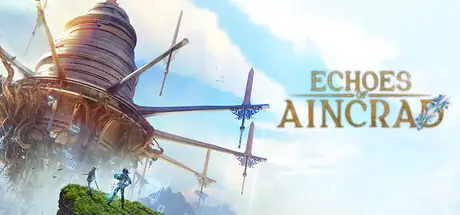
Opening
Echoes of Aincrad is a single-player Sword Art Online action RPG about finally living the Aincrad death game as your own custom hero, and it absolutely nails that fantasy, but unless SAO already means something to you, I don't think it's worth full trust.
Here's the thing. This is the first time the pitch really clicks: you're not just watching Kirito be Kirito again. You're building your own character, picking a weapon, leaning on a partner, and trying to survive inside that 100-floor castle. When the scale hits, it hits. Aincrad can look massive.
The combat has real bite too, with six weapon types, Sword Skill trees, quick-swap skills, dodges, parries, posture breaks, and boss fights where your AI partner actually matters.
But then the game starts repeating itself fast. Town hub, marker, recycled enemies, boss version of a regular enemy, repeat. The world looks open, but it keeps pulling you back onto rails. And the story takes way too long to wake up, which hurts because the custom-protagonist idea is the whole reason this game exists.
So yeah, the numbers make sense: 55% on Steam, 64.7 on OpenCritic, and only a 28.2% recommendation rate. If you're a diehard SAO fan who wants to live your own version of the death game, there's something here. If you're coming from stronger Bandai Namco action RPGs like Tales of Arise and expecting that level of exploration, pacing, and story density, Echoes of Aincrad is going to feel thin.
Story | 5.0/10
História: 5/10The Best Story Idea Here Is That You’re Finally Not Kirito

Here’s the thing Echoes of Aincrad gets right before it starts tripping over itself: the pitch is genuinely strong. For once, this isn’t another Sword Art Online game where you’re basically watching Kirito be Kirito from a slightly different camera angle. You make your own character. You’re an early test player. You’re inside Aincrad while the death game is unfolding, and the story runs alongside the anime’s main track instead of just stapling you onto it.
That matters. For SAO fans, that’s the hook. Not “what if Kirito did another thing,” but “what if you had to live through this nightmare yourself?” The 100-floor floating castle gives the campaign a clean spine, too. You climb, you clear a floor, you hit a floor boss, and the plot inches forward. It’s simple, but it fits the setting. Aincrad should feel like a brutal staircase where every win buys you one more step.
And when the game leans into that structure, it works. The distance of the climb has weight. The idea of pushing higher through this giant floating castle still has that old SAO pull. The Japanese cast helps sell it, too, with names like Yoshitsugu Matsuoka, Haruka Tomatsu, Kana Ichinose, Shiori Izawa, Yuya Hirose, Tasuku Hatanaka, Sayumi Suzushiro, Manaka Iwami, and Anri Katsu in the mix.
Push Square also called out the English voice work, and honestly, strong VO matters here because this story needs mood more than lore dumps. It’s a death game. If the voices don’t carry dread, exhaustion, and panic, the whole thing gets flimsy fast.
But the catch is, the game has a much better premise than execution. The custom protagonist should change everything. It should make conversations feel personal. It should make your place in Aincrad feel unstable and weird and dangerous. Instead, too often, you feel like a guest star in a story that doesn’t quite know what to do with you.
The Mystery Squad Takes Too Long To Become Interesting
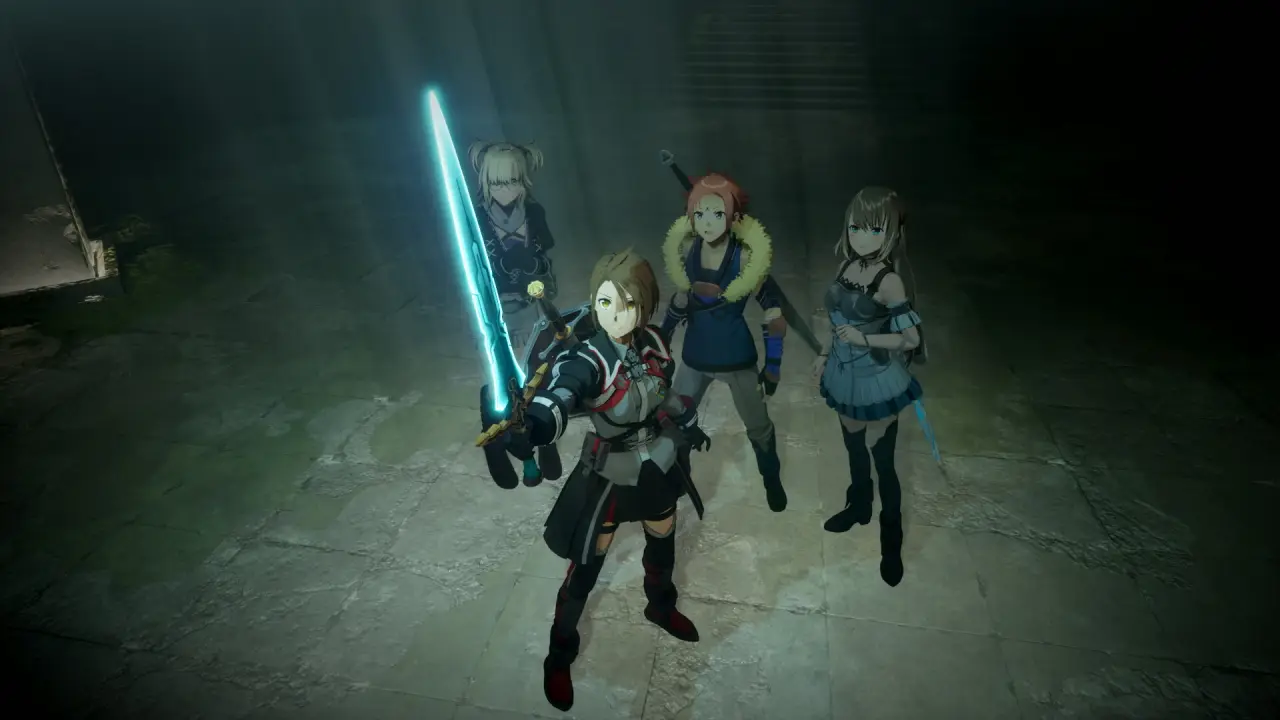
The original party built around the mysterious brooch is supposed to be the emotional engine here. That’s the thread pulling you through the side material, the apocalyptic prediction angle, and the parts of the story that aren’t just “go clear the next floor.” On paper, that’s exactly the right move. If you’re not centering Kirito, you need a new group with their own fear, baggage, and reason to matter.
The problem is, the story takes hours to wake up. Not a slow burn. A slow start. There’s a difference. A slow burn gives you tension while it holds back answers. This game spends too much time making you wait for the cast to become people. The characters are thin for too long, and that’s rough in a story that’s already asking you to care about an original squad running parallel to a much more famous anime plot.
This is where RPGFan’s harsher take makes sense. Their 52 wasn’t just about boredom for the sake of it. The big criticism is that the game never really exploits the freedom of having your own created protagonist. That’s the part that stings. If I build my character, I want the story to notice. I want choices that feel like mine. I want relationships that bend a little around who I’m playing. But Echoes of Aincrad mostly keeps you on a fixed track. There isn’t a meaningful branching system doing heavy lifting here, and the decisions don’t reshape the drama in a way that justifies the custom-character promise.
So the side content ends up feeling dense in the wrong way. You get plenty to do, but the quality doesn’t keep up. Too much of it feels like connective tissue between the moments the game actually cares about. Accept something in a town hub, run to the marker, fight the familiar batch of enemies, then clean up a boss variant. That loop hurts the storytelling because the side quests stop feeling like stories. They become errands with voice acting.
The 100-Floor Climb Has Scale, But Not Enough Texture
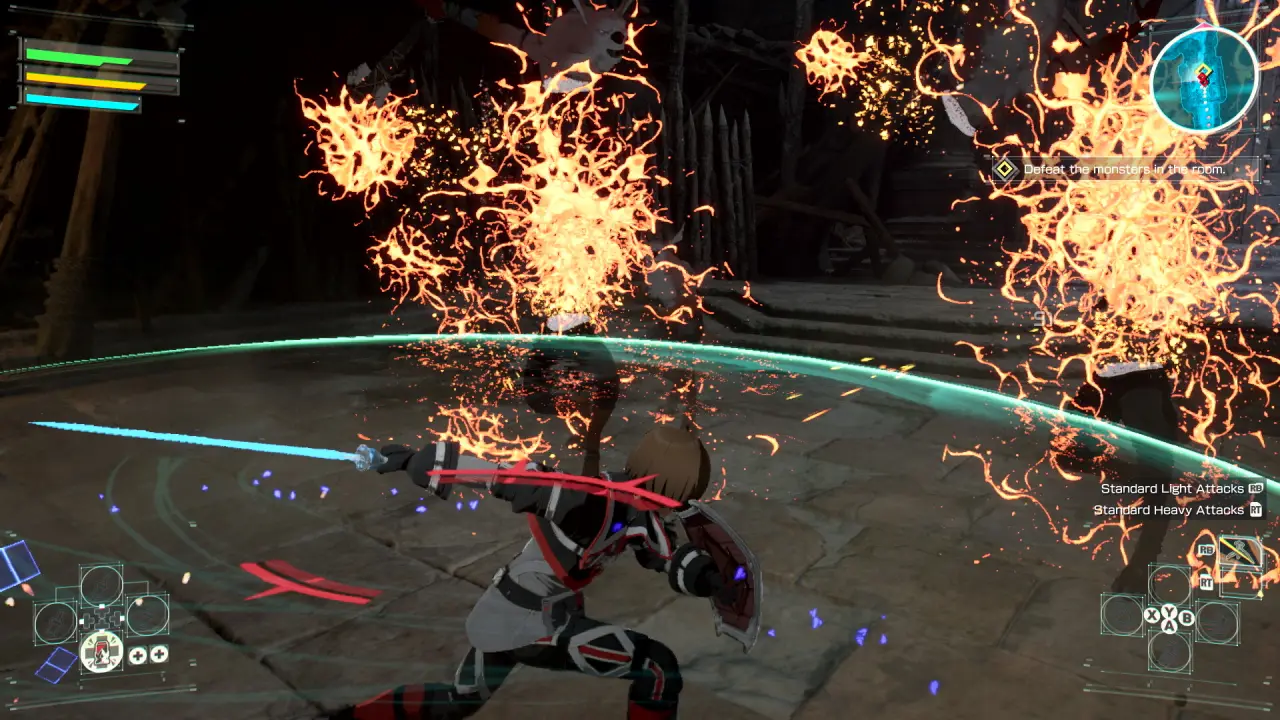
The main structure is easy to understand: climb Aincrad, floor by floor, and let each boss act like a chapter break. That’s a good RPG frame. It gives the story a destination you can see from minute one. It also gives boss fights a reason to feel important beyond loot and levels. When the combat hits, especially with dodge, parry, posture breaks, counter combos, and partner synergy, those boss moments can actually sell the danger better than the writing does.
But story pacing lives and dies on what happens between the peaks, and that’s where Echoes of Aincrad gets exposed. The world looks impressive at first. The Games Machine called the world design breathtaking on first sight, and I get why. A 100-floor castle is an incredible fantasy image. It gives the campaign scale before anyone opens their mouth. The issue is that scale isn’t the same thing as depth. Once you’ve been running the same kind of route, chasing the same kind of marker, and watching the same kind of quest structure repeat, the climb starts feeling less like survival and more like a checklist.
That comparison to Bandai Namco’s own Tales of Arise is not flattering. Tales of Arise isn’t perfect, but it understands how exploration, party chemistry, and story density can keep a Japanese action RPG moving. Echoes of Aincrad has the brand, the castle, and the emotional setup. But next to a sharper action RPG, the empty space is hard to ignore. The game wants the fantasy of surviving Aincrad as yourself, but it keeps handing you activities that feel designed to fill distance.
And that’s why the story lands at a 5 out of 10 for me. Not because the idea is bad. The idea is probably the most interesting narrative angle this IP has had in game form. It’s the first time the player perspective feels like the actual point, not a novelty. But the writing doesn’t cash the check. The cast stays too light. The side quests repeat too fast. The lack of real branching makes the custom hero feel cosmetic when they should feel central. Diehard SAO fans who just want to live their own version of the death game will get something out of it. Everyone else is going to see the cracks early.
Audio | 7.5/10
Áudio: 7.5/10The Voices Do More Heavy Lifting Than The Story Does
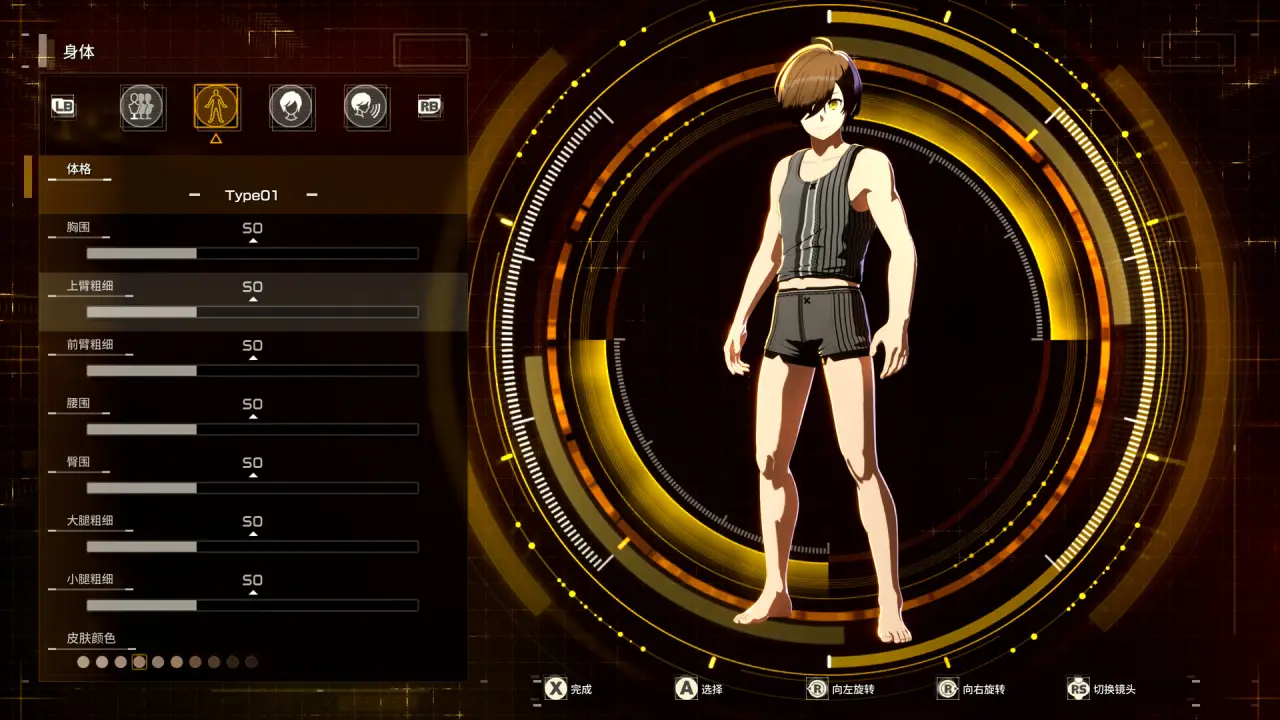
Here’s the blunt version: the acting is one of the main reasons this thing still feels like Sword Art Online, even when the writing is dragging its feet. Echoes of Aincrad has a big advantage right away because the Japanese track brings back the familiar anime cast. Yoshitsugu Matsuoka, Haruka Tomatsu, Kana Ichinose, Manaka Iwami, Shiori Izawa, Yuma Uchida, Yusuke Hatanaka, Sayumi Suzushiro, and Anri Katsu are all part of the voice lineup, and for SAO fans, that matters. A lot. Those voices aren’t just names in the credits. They’re emotional shortcuts. You hear them, and your brain immediately fills in years of attachment the game itself doesn’t always earn.
And honestly, the English dub deserves credit too. Push Square specifically called out the strong English voice acting, and I get why. It doesn’t feel like a throwaway option. The performances fit the darker death-game mood, where every fight is supposed to feel like it could go wrong fast. That’s important, because the story takes hours to really move, and the custom hero angle never gets used as sharply as it should. You’re finally inside Aincrad as your own character instead of just watching Kirito again, which is the killer hook here. But when the script is thin, the actors have to sell the danger, the fear, and the attachment basically on credit.
The catch is, voice acting can’t fix pacing by itself. Echoes of Aincrad has the sound of a serious survival story, but not always the writing momentum to back it up. So you get these solid performances sitting inside scenes that sometimes feel stretched out, especially when the quest loop is already repeating. For diehard SAO fans, familiar voices can carry a lot. For everyone else, they’ll help, but they won’t magically turn this into a top-tier action RPG.
The Dark Soundscape Works, But The Dialogue System Fights You

The music and atmosphere understand the assignment better than some of the quest design does. Echoes of Aincrad is selling a prettier, deadlier version of Aincrad, and the audio leans into that. The soundtrack fits the whole “one mistake and you’re gone” setup instead of turning every area into background wallpaper. When you’re climbing toward that 100-floor castle, the sound helps give the place scale. You get that sense of distance, height, and pressure, which lines up with why The Games Machine called the world design breathtaking on first sight. Visually and sonically, the first impression is strong.
The environmental audio also does decent work keeping the world from feeling completely flat, which is important because the structure is way more restricted than it first looks. This is an open world on rails. You’re pushed toward markers, invisible walls pull you back, and the actual quest rhythm gets old fast: town hub, marker, fight, variant boss, repeat. In that kind of loop, sound effects matter. Weapon hits, dodges, parries, posture breaks, and partner follow-ups need impact, because the combat is the strongest layer here. And when precise dodges or parries crack an enemy open into counter combos, the audio gives those moments enough bite to make boss fights land.
But here’s the part that genuinely hurts: you can’t pause dialogue. In a slow-paced game with long conversations, that’s not a small annoyance. That’s a design problem. It makes the story feel more demanding than it deserves to be, especially when the characters are already thinner than they should be. And when the best version of the source material fantasy, the permadeath Death Game Mode, is locked behind a paid premium edition, that frustration gets sharper. The audio side is often doing good work. The game around it keeps making that work harder than it needs to be.
Visuals | 7.0/10
Gráficos: 7/10The 100-floor castle sells the dream before the repetition catches up

Look, the first wide shots of Aincrad work. They really do. That 100-floor floating castle has the exact kind of scale this game needed. You look out across the distance and, for a minute, you get it. You get why people keep coming back to Sword Art Online games even when they know there’s probably going to be some jank waiting around the corner. The Games Machine called the world design breathtaking at first sight, and yeah, I can see that. The game understands the fantasy of being trapped inside this giant death-game tower.
The art direction is also pretty faithful to the anime’s look, but it doesn’t go full cartoon. It leans a little more grounded, a little more realistic, while still keeping that fantasy JRPG gloss. Armor has that clean SAO shine. Town hubs have the right warm, safe feeling before you head back out. The fields, ruins, and boss spaces are staged to make you feel like you’re inside Aincrad, not just running through a random licensed map pack.
But here’s the catch: the further you get, the more the magic starts thinning out. The big views are doing a lot of heavy lifting. Up close, the world can feel weirdly empty.
You start seeing the same visual ideas come back too often. Swamps. Deserts. Familiar enemy shapes. Familiar paths. Familiar combat spaces. And once that happens, the scale stops feeling mysterious and starts feeling like a backdrop stretched over a very repetitive structure.
That’s why I land around a 7 out of 10 for the graphics side. Not because it looks bad. It doesn’t. The first impression is strong, and the art team clearly understands what Aincrad is supposed to feel like. But the game keeps asking that first impression to carry too much weight for too many hours.
The world looks open, then the invisible walls start talking

The visual problem with Echoes of Aincrad isn’t just asset reuse. It’s how the game frames freedom. From a distance, it looks like you’re about to explore this huge, dangerous fantasy world. You see cliffs, fields, routes, ruins, and long sightlines, and your brain goes, okay, I can go there. Then the game quietly says, no, you can’t. Invisible walls pull you back. Paths narrow. The layout keeps reminding you that this is open on rails.
And visually, that hurts. Because the environments are built to suggest space, but the actual movement keeps contradicting the image. That makes exploration feel smaller than it looks. It’s especially rough when you compare it to Bandai Namco’s own Tales of Arise. That game isn’t some infinite sandbox either, but its areas feel denser, more authored, and more rewarding to move through. Echoes of Aincrad has moments where the skyline looks expensive, then the ground-level route feels like a hallway wearing an open-world costume.
The enemy and biome repetition makes that worse. Wolves, bears, trolls, variants of things you’ve already fought, then another boss-shaped version of a common enemy. Visually, your brain starts filing encounters before they even begin. You know what kind of space this is. You know what kind of creature is waiting in it. You know the quest loop that brought you here. That’s a graphics issue as much as it’s a quest design issue, because the scenery stops surprising you.
Still, I don’t want to flatten the praise too much. Boss arenas can land. The third-person combat has enough readable animation, posture-break feedback, dodges, parries, and partner positioning to keep the screen exciting when the fight itself is good. When the art, animation, and battle pacing line up, Echoes of Aincrad looks like the SAO action RPG fans pictured in their heads. It just can’t hold that level all the time.
PC, PS5, and Series X get the picture across, but this is not a tech showcase
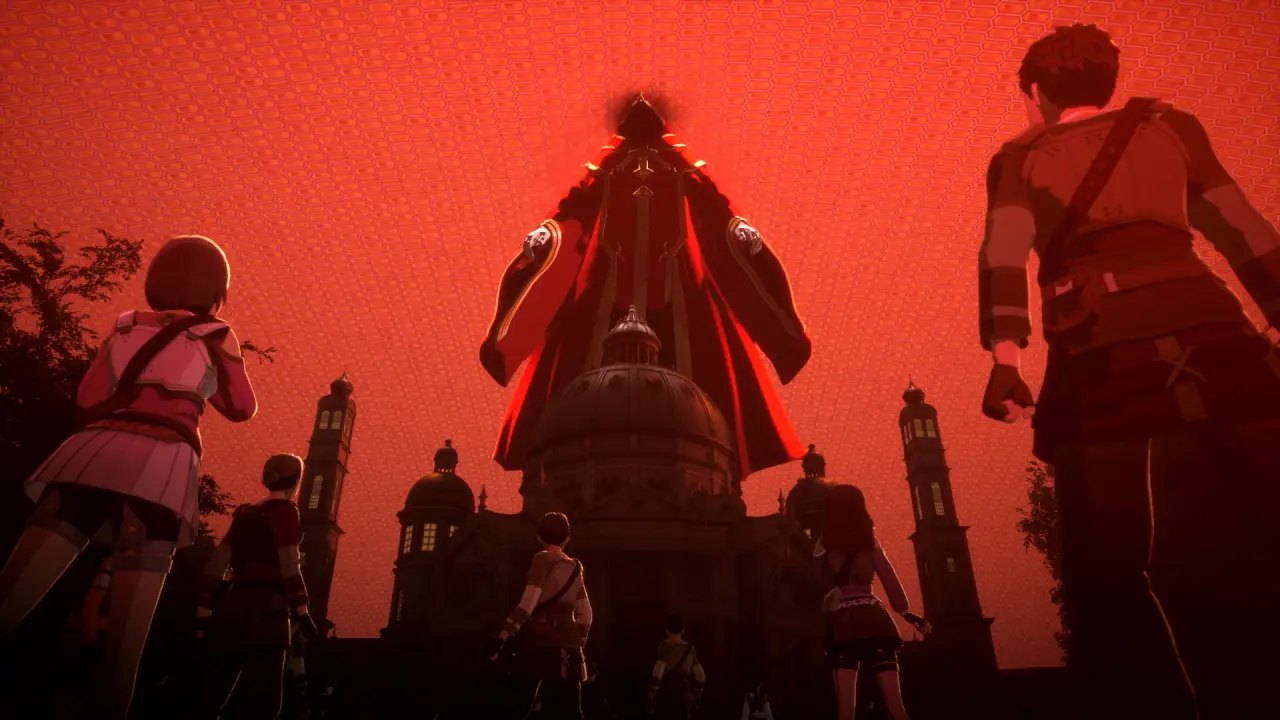
Echoes of Aincrad is on PS5, Xbox Series X, and PC, and the broad visual identity seems built to travel cleanly across those versions. This is not a game selling itself on bleeding-edge rendering tricks. The official pitch is about stepping into Aincrad, building your hero, choosing your gear, and surviving battles with your partner. And honestly, that’s where the visuals are strongest too: character presence, weapon readability, combat effects, and that big fantasy-castle atmosphere.
On PC, don’t come in expecting the graphics menu to be the headline. There’s no reason to treat this like a ray tracing or DLSS showcase unless the game itself makes that case, and Echoes of Aincrad doesn’t really need that to make its point. The PC version’s job is to make the art direction look clean, keep combat readable, and let the 100-floor spectacle breathe. When it does that, it works. When you’re running through another familiar biome toward another marker, sharper image quality doesn’t fix the underlying emptiness.
The UI is functional, and for this kind of game, that matters. You’ve got six weapon types to think about: sword, dagger, rapier, mace, two-handed axe, and two-handed sword. Each has its own Sword Skill tree, and the three-skill quick-swap setup needs to stay readable in real time. During boss fights, where dodges, parries, counters, and AI-companion synergy all matter, the interface mostly knows its job. It gives you the information without turning every fight into spreadsheet night.
But the UI also reflects the game’s bigger issue. It supports the combat better than it supports the world. Menus, skill trees, and combat prompts are clear enough, because that’s where Echoes of Aincrad has its most solid layer. The exploration side doesn’t get the same lift. Markers, hubs, routes, repeat. The interface helps you move through the loop, but it doesn’t make that loop feel richer. So graphically, across PC and the current consoles, this is a good-looking licensed RPG with strong art direction, strong distance spectacle, and a lot of visible repetition once the honeymoon fades.
Combat | 8.0/10
Jogabilidade: 8/10The six weapons do the heavy lifting here

The best thing Echoes of Aincrad has going for it, gameplay-wise, is that your weapon choice actually matters. Not in that fake RPG way where one sword is just five percent faster and another sword is five percent heavier. You get six weapon types here: sword, dagger, rapier, mace, two-handed axe, and two-handed sword. Each one has its own Sword Skill tree, its own rhythm, and its own sense of commitment. That’s the part of the game I kept coming back to, even when the quest design was testing my patience.
And the three-skill quick-swap setup is smarter than it sounds. You can bind up to three Sword Skills and flip between them in the middle of a fight, so you’re not just mashing your favorite animation until the health bar goes away. You’re thinking about reach, recovery, timing, and what you want your next few seconds to look like. A dagger build wants to stay busy. A two-handed axe wants to pick its moments. A rapier feels more about precision. That gives the combat a real build-crafting layer, and honestly, it’s the most durable system in the whole game.
This is also where the custom character hook finally starts to pay off. The big pitch is that, for once, you’re not just standing behind Kirito watching Sword Art Online happen to somebody else. You’re building your own survivor inside Aincrad. That matters. If you’re the kind of SAO fan who has always wanted to live through the death game with your own avatar, your own gear, your own build path, this part lands. It’s not deep enough to carry every weakness around it, but it does make the fantasy feel personal in a way the older setup didn’t.
Dodges, parries, posture breaks, and bosses that actually wake the game up

When Echoes of Aincrad is firing, the combat loop is clean: read the attack, dodge or guard at the right moment, break posture, then cash out with a counter combo. That rhythm works. It gives fights a little bite without turning the game into a hardcore action test. The difficulty curve is pretty approachable, too. You can get by early with basic attacks and obvious Sword Skills, but once enemies start pushing back harder, the game nudges you toward timing, positioning, and partner synergy.
The AI companion system helps more than I expected. Your partner can work from different positions, and when the game lines up those coordinated attacks during boss fights, the presentation pops. This is where a lot of critics seemed to meet the game halfway, and I get it. Bosses are clearly where the combat team spent its energy. They have bigger tells, better staging, and more of that dramatic SAO pressure where one mistake feels like it should matter. Not every fight hits, but the stronger ones give you that proper “we’re surviving this together” feeling.
But here’s the catch: the feel still isn’t as polished as it should be. Push Square called out the lack of weight in the hits and the limited hit-stop, and yeah, that’s a real problem. You can have all the Sword Skills and posture systems you want, but if the impact doesn’t sell the strike, the combat loses some of its bite. A big two-handed sword should feel nasty. A mace should feel like it caves armor in. Too often, Echoes of Aincrad looks like it’s landing harder than it actually feels in your hands.
The combat stands up better than the game built around it

The frustrating thing is that the core fighting is good enough for an 8 out of 10 in this specific gameplay conversation, but the game around it keeps dragging it back down. The quest loop repeats way too fast. You pick something up in a town hub, run to a marker, fight a handful of familiar enemies, then deal with a boss-flavored version of something you’ve already seen. Do that a few times and the structure starts showing through the wallpaper.
The world has the same issue. Aincrad should feel dangerous, strange, and enormous. And at first glance, it can. Climbing the 100-floor castle gives the game real spectacle, and The Games Machine called the world design breathtaking on first sight. I buy that first impression. But once you start moving through it, the freedom feels narrower than it looks. Exploration is open on rails. Invisible walls shove you back. Enemies like wolves, bears, and trolls keep coming around again, and the biomes repeat the same broad tricks, from swamp to desert, without enough surprise in between.
And this is where the Bandai Namco comparison hurts. Put this next to Tales of Arise, another Bandai Namco Japanese action RPG, and the gap is obvious. Tales of Arise has denser exploration, stronger pacing, and more narrative momentum pushing you through its fights. Echoes of Aincrad has a combat shell that works, especially with the six weapons and partner attacks, but the surrounding RPG design feels thinner and more repetitive. If you’re here because you want a top-tier modern action RPG with no SAO attachment, you’re going to feel that drop.
Death Game Mode sounds perfect, which makes the paywall sting
The weirdest gameplay decision is locking the permadeath Death Game Mode behind a paid premium edition. That mode is the one that sounds most true to Sword Art Online. The whole fantasy is risk. The whole premise is that Aincrad is beautiful, dangerous, and maybe fatal. So putting the mode that best reflects that idea behind a higher buy-in feels rough. It’s not just a bonus challenge. It’s the version of the rules that most directly matches the source.
And with the base game already moving slowly, that decision hurts more. The story takes hours to really get going, dialogue can’t be paused, and the custom protagonist idea doesn’t get pushed as hard as it should. So when the mode that could add real pressure and consequence is held back, it reads less like a cool extra and more like the game is making you pay for the sharpest version of its own premise.
That’s basically Echoes of Aincrad in gameplay form. The weapon systems are genuinely solid. The dodge-parry-posture loop works. Boss fights can hit. The AI partner stuff gives the action some identity. But the repetition is real, the world is more restricted than it first appears, and the combat feel needed more punch. For diehard SAO fans who want to survive Aincrad as their own character, this has enough going on to be worth the grind. For everyone else, that 55% Steam user score and OpenCritic’s Weak tier make a lot of sense.
Content | 5.5/10
Conteúdo: 5.5/10The first few floors sell the fantasy, then the quest board starts chewing up the clock
Here’s the thing: the pitch is genuinely strong. For once, Echoes of Aincrad lets you step into the death game as your own created character instead of standing off to the side while Kirito does Kirito things. That matters. If you’ve wanted to live inside Aincrad from the ground level, not just watch the anime cast reenact the big moments, that hook has real pull. The 100-floor castle still has that sense of scale, that “how far does this thing go?” feeling, and when the view opens up, you can see why The Games Machine called the world breathtaking at first sight.
But then the actual structure kicks in, and man, it gets tired fast. The mission loop is way too rigid: grab a request in a town hub, run to the marker, smack around a few reskinned enemies, then fight the boss-version of a regular enemy.
Do that once, fine. Do it again, okay. But Echoes of Aincrad leans on that template so hard that the adventure starts feeling less like surviving Aincrad and more like clearing a checklist someone forgot to edit.
That’s where the pacing really hurts it. TechTimes basically called the other 95% repetition and waiting, and honestly, that tracks with the problem. The game takes hours to properly get moving, but it doesn’t fill that runway with enough character work or surprise. The custom protagonist should be the whole reason this version exists, but the writing doesn’t dig into that hard enough. You made your own hero, sure, but the story rarely makes that feel personal. RPGFan’s 52 makes sense for exactly that reason: the premise is stronger than the payoff.
And look, the combat helps. Six weapon types is not nothing: sword, dagger, rapier, mace, two-handed axe, and two-handed sword, each with its own Sword Skill tree. The three-skill quick-swap shortcut gives you something to chew on. Dodges, parries, posture breaks, partner synergy, that stuff can click, especially in boss fights. But a decent combat layer can’t fully rescue a campaign that keeps sending you through the same funnel with a new marker at the end.
Aincrad looks huge, but the side content keeps proving how narrow it really is
My biggest problem with the optional content is that it doesn’t feel optional in the good way. It feels like padding you’re expected to tolerate because you care about Sword Art Online. The world is presented like this dangerous, sprawling MMO death trap, but when you push at the edges, it pushes back with invisible walls, recycled routes, and enemies you’ve already seen in a slightly different outfit. Wolves, bears, trolls, swamp, desert, repeat. That’s not exploration. That’s a themed hallway with extra steps.
And that’s brutal because the game is going up against Bandai Namco’s own better work. Tales of Arise is the obvious comparison here, not because it’s the same exact thing, but because it shows what a modern Bandai action RPG can feel like when exploration, party energy, and narrative density are all working harder. Echoes of Aincrad has the brand recognition, the death-game setup, and the castle. But minute to minute, its side content is thinner. You’re not finding enough memorable little stories. You’re not being surprised by spaces often enough. You’re mostly being pointed at the next combat pocket.
CGMagazine landing at 70 while still saying it’s hard to recommend at full price because the repetition is a real flaw tells you the mood pretty clearly. This isn’t a disaster. It’s not broken beyond belief. It has things fans will enjoy. The Japanese cast brings back names that matter to the series, including Matsuoka, Tomatsu, Ichinose, and more, and Push Square even singled out the English voice work. The audio side sells the darker tone better than a lot of the quest writing does.
But side content is where a game like this either earns your long sessions or loses them. Echoes of Aincrad loses too many of them. When the reward for wandering is another familiar enemy cluster, another marker chase, another common enemy turned into a boss variant, the 100-floor dream starts shrinking. You’re not climbing a legendary death castle anymore. You’re servicing a map.
Locking Death Game Mode behind premium pricing is exactly the wrong kind of friction
The paid premium edition issue is the part that really rubs me the wrong way. Death Game Mode, the permadeath mode that best matches the actual fantasy of Sword Art Online, is locked behind that higher-priced version. That’s wild. If there’s one mode that should feel central to this specific premise, it’s the one where death actually matters. Hiding that behind a paywall makes the whole thing feel backwards.
And it’s not just a value complaint. It changes how the game reads. Echoes of Aincrad already has slow pacing, long waits, and no dialogue pause, so when the most thematically sharp mode is gated off, it doesn’t feel like a cool bonus. It feels like the game is asking the most devoted fans to pay extra for the version that should’ve been there in the first place. For a Steam release sitting at 55% positive across 678 reviews, with a Mixed label, that’s not some tiny optics problem. That’s fuel on the fire.
The broader critical picture backs that up. IGDB’s media aggregate is 77.0 from one outlet, but OpenCritic’s Top Critic score is 64.7, with only a 28.2% recommendation rate across 39 reviews and a Weak tier. That split feels right. There are critics and fans who can see the appeal, especially if the idea of making your own character inside Aincrad is enough to carry a lot of rough edges. But if you’re coming in cold, looking for a strong current-generation action RPG, this is a much harder sell.
That also hurts the long tail. A single-player, third-person action RPG can absolutely keep a dedicated audience if the buildcraft is deep enough and the world gives people reasons to come back. Echoes of Aincrad has part of that with its weapon trees, skill shortcuts, and partner combat. But long-term interest needs variety, fair value, and a loop that doesn’t wear out before the fantasy does. Right now, this feels like a 5.5 out of 10 kind of content package: meaningful for die-hard SAO fans who want their own run through the death game, but repetitive, gated, and too thin for everyone else.




Comentários 3
Queremos saber sua opinião
Participe da discussão e compartilhe sua opinião sobre este jogo.
The smart custom protagonist and solid audio sound appealing, but endless marker-chasing and a fan-dependent score make this feel like a wait-for-a-sale game to me.
Fair call, especially if the score really swings on how much you already like SAO; the paywalled permadeath is what pushes it from maybe to pass for me.
I can live with reused mobs if the combat really has depth, but locking permadeath behind a paywall is the part that makes the whole loop feel harder to trust.
Não há mais comentários