

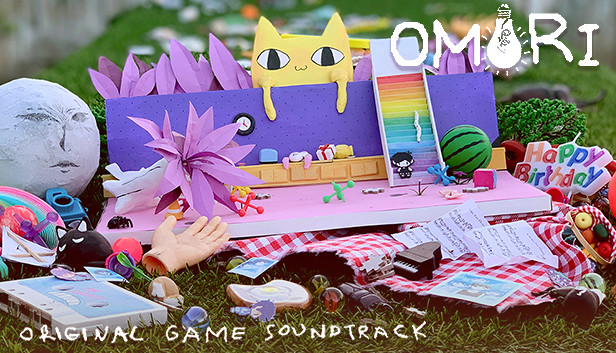
DLCOMORI SoundtrackCarregando ofertas das lojas

OMORI combina um mundo estranho e colorido com escolhas ligadas ao destino. Se você procura uma jornada para um jogador, esta mínima registrada é uma boa oportunidade para considerar o jogo. A versão Steam para PC oferece suporte completo a controles, e as avaliações mostram 97% positivas entre 80.195. Na  GAMIVO, custa ≈ $6.32, o menor valor histórico acompanhado pelo site.
A alternância entre cenários vibrantes e cotidianos dá forma à jornada, enquanto o modo solo permite avançar no seu ritmo. Se essa exploração narrativa combina com seus planos, você pode considerar a compra agora. Na GAMIVO, OMORI custa ≈ $6.32, ou seja, ≈ US$ 13,67 a menos que o preço atual de US$ 19,99 na Steam.
GAMIVOOmori - EN Global-68%a partir de~ $6.32(~ €5.62)Mínimo históricoEconomize US$ 13,67 em relação à SteamComprarOs preços cobrem a Steam e 39 lojas autorizadas; só entram ofertas regulares. O gráfico mostra os mínimos semanais do mercado e o preço oficial da Steam nos últimos 36 meses.
Explore um mundo estranho com amigos e inimigos coloridos. Atravesse lugares vibrantes e cotidianos para revelar um passado esquecido. O caminho escolhido determinará seu destino e talvez também o de outras pessoas. Avaliações de jogadores na Steam: 97% positivas entre 80.195 avaliações. Data de lançamento na Steam para PC: 25 de dezembro de 2020. Idiomas da interface: Chinês simplificado, Inglês, Japonês e Coreano.
| Idioma | Interface | Legendas | Áudio |
|---|---|---|---|
| Chinês simplificado | Sim | Sim | — |
| Inglês | Sim | — | — |
| Japonês | Sim | Sim | — |
| Idioma | Interface | Legendas | Áudio |
|---|---|---|---|
| Coreano | Sim | Sim | — |
Dados da versão Steam para PC · 2026-10-18
A versão Steam para PC oferece interface em inglês, alemão, chinês simplificado e espanhol. Áudio completo não está listado.
A versão Steam para PC lista modo para um jogador e suporte completo a controles.
Você explora um mundo estranho de amigos e inimigos coloridos, entre lugares vibrantes e cotidianos, para descobrir um passado esquecido.
A descrição diz que o caminho escolhido determina seu destino e talvez o de outras pessoas.
Windows e macOS estão listados.
“Dream-and-reality dual-space plus emotion-state combat — the emotional-depth ceiling of indie narrative RPGs.”
## Overall
OMORI's industry positioning is the gold-standard reference for indie narrative-RPG success. On the critical side: Metacritic 88 (Generally Favorable), OpenCritic 86 (Mighty tier, 100% critic recommendation), PC Gamer 88, RPGFan 92, Noisy Pixel 90. On the player side: Steam Overwhelmingly Positive with about 96% positive across more than 76,000 reviews; Metacritic user score 9.0. Chinese media tracks the same elevation: Gamersky player consensus 9.0, Gcores 9.5, 3DM strongly positive. The OpenCritic 100% recommendation figure is itself extraordinary — it means every reviewing outlet that covered the game recommended it, which is the rarest possible outcome in the indie RPG category.
The commercial side reads as a textbook indie success. Steam cumulative sales crossed one million units by December 2022 and conservative estimates now place the figure past two million. Steam concurrent peak near 5,000 at the 2020 December launch; daily concurrent long-tail in the 500 to 1,500 range years after release. The 2014 Kickstarter that started the project is itself a legendary case: a small pseudonymous artist studio raised $220,000 against a $22,000 goal — a 10× over-funding result that enabled the six-and-a-half-year polish cycle that the final game shipped with. The DreamHack 2021 Beyond Awards Daringly Dramatic win was the industry-recognition milestone that confirmed the studio's standing.
The buyer profile is straightforward. Narrative-RPG enthusiasts, deep indie players, adult players able to handle psychological themes, players drawn in by Undertale and the Earthbound family — all of them are in the target audience. The pitch — "dual-space dream-and-reality narrative plus emotion-state combat plus a 179-track score plus a multi-ending tree" — is exactly what the post-2020 indie narrative RPG emotional-depth ceiling looks like. The Chinese community's recurring phrase is "a 20-hour game that makes you re-live your own childhood — not a game to play, a game to remember," which captures the unique place OMORI occupies in the Chinese narrative-RPG audience's collective memory.
The non-buyer profile is equally clear. Players who actively avoid depression and trauma themes; players who want fast, snappy combat with immediate feedback; players impatient with slow-paced narrative — all should look elsewhere. OMORI's "heavy psychological subject matter plus slow-tempo turn-based combat plus engine-bound friction" stack is real entry friction. The depression, trauma, self-harm and suicide themes can be genuinely triggering for players with PTSD or anxiety conditions, and OMORI is honest about that. If "I want immediate fun" is your priority, Dead Cells or Hades are the right purchases. If "I want to commit twenty hours to a sustained narrative experience" is your priority, OMORI is the right purchase. Version guidance: the Steam PC build is the preferred entry point (keyboard-and-mouse menu navigation is smoother), with the official original soundtrack DLC optional for the audio enthusiasts. The Switch version, with its accessibility features (skip cutscenes, configurable text speed, optional combat assistance), is the better choice for sensitivity-prone players. Steam discounts run regularly in the 50% to 70% range, with floor prices around 25 RMB. Chinese-speaking buyers don't need to hesitate on language: the day-one official Simplified and Traditional Chinese localisation covers menus, dialogue, story subtitles, boss names, skill descriptions, and item flavour text.
Set the commercial figures and the score sheets aside, and OMORI's lasting contribution is straightforward — it is the indie narrative-RPG emotional-depth ceiling since 2020. OMOCAT's six-and-a-half-year development cycle, the pseudonymous-artist-led design model, the Kickstarter-funded origin, the RPG Maker MV engine extension work — every one of those structural choices reads as a case study in the "single-author or small-team artisanal indie" production mode. The Chinese narrative-RPG community places OMOCAT alongside Toby Fox (Undertale), Robert Yang (experimental indie work), and the Drog / Xelu team as some of the most identifiably personal voices in the indie narrative-RPG category.
OMORI lines up with Undertale and Disco Elysium as the three flagship indie narrative RPGs of the 2014-to-2020 window — Undertale's spare-or-fight choice school, Disco Elysium's thought-cabinet conversation school, OMORI's dream-and-reality dual-space school. Each tradition has its own signature, and OMORI's emotional-depth signature has stood unchallenged in its lane since launch. The composite 8.5 score affirms the design completeness (the dual-space narrative architecture plus emotion-state combat plus the 179-BGM score plus OMOCAT's hand-drawn direction plus the multi-ending tree), the story-system ceiling (9.5 story is the highest dimension), the audio-investment industry benchmark (9.5 audio matches it), and honestly acknowledges the gameplay drag (6.5 gameplay is the lowest dimension), the RPG Maker MV engine ceiling, and the heavy-subject-matter entry friction. It isn't the year's most visually ostentatious game. It is the most emotionally deep indie narrative RPG since 2020, and the cornerstone release of OMOCAT's pseudonymous-artist-led studio model.
As avaliações úteis selecionadas neste idioma incluem recomendações e críticas. Esta seleção não representa o índice geral de aprovação; as opiniões se referem à versão avaliada.
Fonte: avaliações originais de usuários da Steam. Os votos de utilidade são um registro arquivado, não dados em tempo real. Última coleta: 14/08/2026.