
Notícia
Bunny Garden 2 Adds Twin-Tail Lolita Roro in New Update
Bunny Garden 2's new 10-second trailer shows a twin-tailed lolita character in a sweet-yet-cutting promo. With six heroi
















A sequel that has already won major awards is never really most afraid of being ignored; what it fears is that every step feels like raising the stakes in an endgame. Be even slightly conservative, and it starts to feel repetitive; be even slightly radical, and you risk squandering all the goodwill built up by the previous installment. Beef Season 1 once swept the Emmys, so Beef 2 returning this time is essentially about continuing to make moves on a high-pressure board. As things stand now, Netflix’s move is at least elegant in the opening: the full second season dropped today, and IGN immediately gave it a perfect 10.

From a structural design perspective, the smartest thing about this season is not that it simply replicates the emotional intensity of Season 1, but that it deliberately shifts the main battleground. According to the original information, Season 2 moves its focus away from the more concentrated exploration of Asian identity in the first season and toward broader middle-class anxiety and class conflict. That shift is crucial, because once the subject matter expands, the barrier for audience identification drops significantly, while the series still retains its core sense of relentless pressure. In other words, this is not just a reskin and replay; it takes the same “emotional chain reaction” mechanism and places it on a much larger social chessboard.
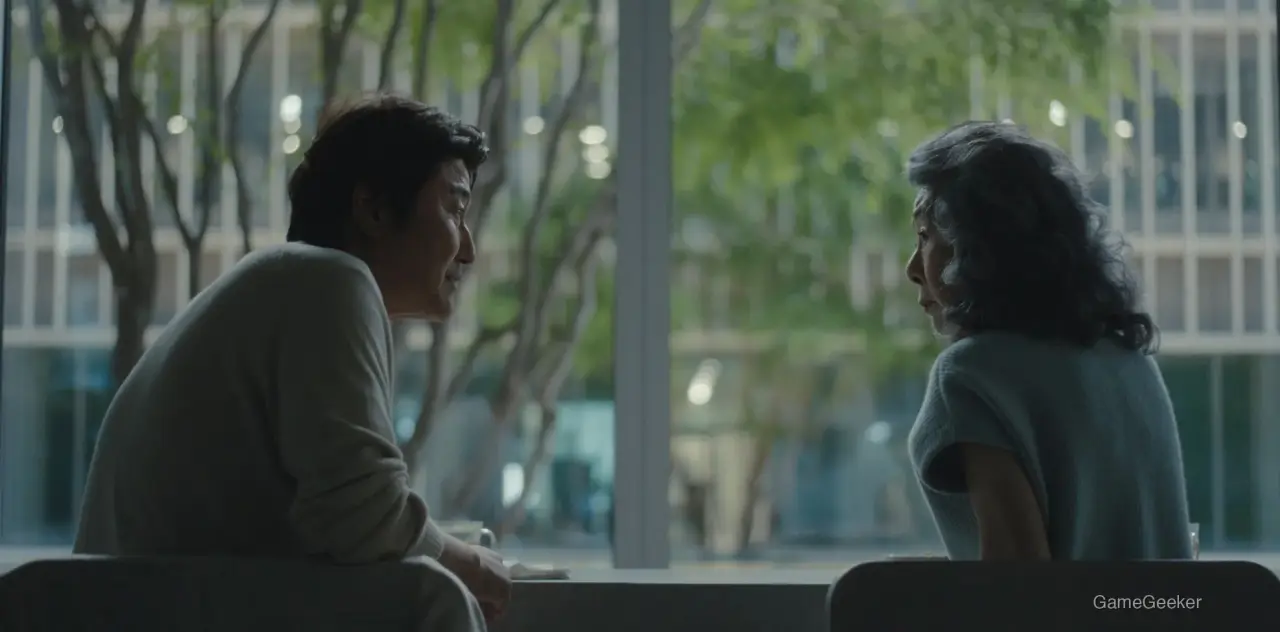
IGN’s assessment is also very straightforward, saying that Beef 2 “fully justifies its existence,” and specifically noting that it “deserves a rewatch.” That carries real weight, because works that invite a second viewing usually aren’t sustained by isolated moments of shock alone, but by the rewatch value found in their details, character behavior, and escalating conflicts. Like a middlegame with a clearly traceable chain of moves, when you look back, you realize every step had its cost from the start. Another comment also hits the mark: it places a group of people who don’t know when to stop into everyday trivialities and keeps ratcheting up the tension. That ability is exactly what many sequels lose most easily.

In terms of strategic depth, what I care more about is whether it avoids turning “escalating conflict” into mechanical repetition. Based on the facts currently available, Season 2 has 8 episodes, and since premiering it has already sparked concentrated binge-watching and positive feedback on overseas social media. That suggests it has at least avoided the common sequel trap of losing steam. Many shows feel like a surprise assault in Season 1, only to become formulaic in Season 2; if Beef 2 really can keep pushing the sense of pressure in everyday life to the extreme, then its greatest strength is not the twists themselves, but the way it keeps viewers in a constant state of wondering whether the next step will spiral completely out of control.

But the issue is that a perfect score and social media praise are never the endgame; they’re only an advantage in the opening rounds. IGN gave it a 10, and overseas word of mouth is spreading. The original text even describes it as a major word-of-mouth bombshell for the spring 2026 release slate. That is certainly a strong signal, but whether it can truly hold its position will still depend on how a broader audience responds to this thematic shift. After all, moving from a more specific identity-driven narrative to more universal class anxiety has the advantage of being easier to relate to, but the risk is that a slight misstep in execution can make it feel overly broad.

If you like works that drive their plot through character relationships, emotional gamesmanship, and chain-reaction loss of control, then Beef 2 is absolutely worth jumping into right now, especially if you’ve already seen Season 1 and want to continue seamlessly. On the other hand, if you only go for fast-paced twists and aren’t willing to patiently sit with how everyday pressure gradually builds into an explosion, then this kind of work may not hit you immediately. For someone like me, who prefers structural complexity, the value of a show that can portray “ordinary people losing control” with such layered escalation has never been in the hype, but in whether it turns every choice into a real cost; judging by the reception so far, Beef 2 has at least not wasted the strong hand it was dealt.





Comentários 0
Queremos saber sua opinião
Participe da discussão e compartilhe sua opinião sobre este jogo.
Ainda não há comentários. Seja o primeiro.