
Notícia
EB Games Leak Reveals Ocarina of Time Remake Release Date
A Reddit user claims an EB Games poster leaked several Switch 2 release dates, though the listing remains unverified. Ni
















In the latest round of arguments about AI, Crimson Desert and The Alters: Expedition 33 suddenly became targets; on a broader level, this whole stir is actually a collision between the overall platform ecosystem and creative tools. If you compare today’s AI wave with the days when UE4 went free and Steam Greenlight opened up, back then people were talking about “how many games can be made,” whereas now more people are worried about “whether anyone still wants to make games.”

Looking first at the mood on the indie side, it’s almost a different world compared to the optimism of AAA publishers. Mike Rose, founder of No More Robots, directly compared generative AI to Pandora’s box in an interview, and said he has a visceral reaction when he sees AI-generated art; in the latest Steam Next Fest, roughly one-third of the demos used AI key art or other AI content, which means that traditional indie games with classic production pipelines like Descenders now have to directly compete for the same exposure slots as “AI assembly-line products.” In contrast, the person in charge of Nexon’s ARC Raiders is much more relaxed; he believes AI can be used to make hits with “a fraction of a AAA budget,” and can conveniently rewrite the entire development process.
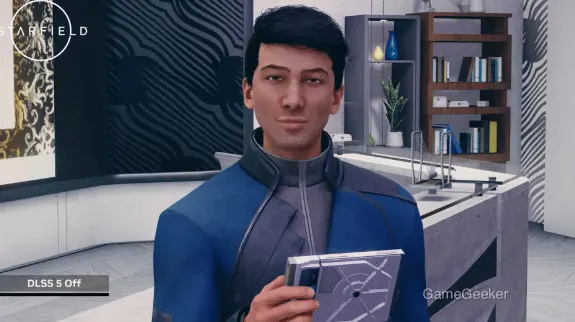
Shifting to the mindset of creators, the difference is just as obvious if you compare Lucas Pope with big studio projects. For author-driven works like Papers, Please and Return of the Obra Dinn, the core lies in the irreplaceability of their ideas and art style; Pope has already said on a podcast that he doesn’t really want to publicly talk about unannounced projects anymore, worrying that his ideas will be fed to AI or simply copied. Big studios, on the other hand, see AI more like we see tech upgrades such as DLSS and FSR: costs go down, visuals “look okay,” and as for the dilution of original style, as long as the pipeline speeds up, it’s a win. Players instinctively resist AI content, yet at the same time they’re used to filling the screen with detail using Nvidia’s full suite of AI technologies; this contradiction is particularly obvious on PC. On consoles and handhelds, because of closed ecosystems and slower certification cycles, the conflict is actually less intense.
Looking at the platform dimension, if you compare today’s Steam with three or four years ago, you can clearly feel the twin squeeze of “exploding quantity and shrinking attention.” Reports mention that over 20,000 games a year are already fighting for space on Steam, and AI tools keep lowering the barrier to entry, which means it’s going to get even more crowded; Valve now requires developers to disclose their use of AI, but this hasn’t slowed the influx of AI content onto the platform. It’s more like slapping on a “contains AI” tag rather than installing a real gate. For PC players, the result is longer Next Fest lists, more lookalike covers, and higher filtering costs; on console digital stores, at the same price point AI content is not yet as rampant, and first-party certification plus curated release pacing actually form a natural buffer wall.
If you compare player communities’ attitudes toward different AI technologies, the way Crimson Desert “hurriedly replaced assets after being exposed for using AI material” stands in an interesting contrast with the controversies around Nvidia DLSS. The former belongs to content creation being directly “taken over” by AI; players can immediately see the dissonance, and the backlash instantly hits reputation and pre-orders. The latter is an underlying tech issue: when players launch collective complaints, they’re more worried about the long-term impact of AI-ification on visual authenticity and overall experience. In Mike Rose’s words, “Human beings are inherently lazy; people can now tell robots to make things for them,” and this applies just as much to developers. The phrase “Video games are cooked” feels more like an emotional conclusion—AI means more and cheaper competitors for indie teams, while for mid-sized and large teams, AI might actually become one of the few new tools that can truly improve cost-effectiveness.
Finally, here are some “purchase recommendations” and trend assessments from a cross-platform player’s perspective. If you only play AAA blockbusters, games like Crimson Desert will most likely further tighten control over marketing and asset sources after AI controversies, and in the short term you’re unlikely to see flagship products completely filled with AI. If you often hang out in indie ecosystems like Steam and itch, then be prepared to rely on wishlists, reviews, and content creators to sift through a sea of AI covers and titles. By comparison, in the short to medium term, console and handheld platforms will still offer game libraries with a relatively stronger “human-made feel” and lower filtering pressure, while mobile and the PC indie space are the fastest battlegrounds for AI content penetration. Whether the industry will truly be “cooked” as Mike Rose says is still too early to call, but one thing is certain: AI will not stop, and player resistance will not disappear. In the coming years, what we’re likely to see is two modes of creation locked in a long-term standoff across platforms, rather than one side achieving total victory.




Comentários 0
Queremos saber sua opinião
Participe da discussão e compartilhe sua opinião sobre este jogo.
Ainda não há comentários. Seja o primeiro.