
Notícia
Grab two free PC games before Epic's clock runs out, while Undertale and Divinity: Original Sin 2 are 75% off
Astral Ascent and LUFTRAUSERS are free to keep today, while two of PC gaming's most celebrated RPGs cost less than $14 c
















When light falls on a character’s face, a good game poster will dim the mood for you by half a shade first—like that instant before the evening wind picks up, when the air already carries the premonition that a story is about to unfold. As someone like me who looks for camera angles before even starting a game, I’ve always had a natural soft spot for works like this, because once the relationships between characters click into place, the setting stops being just a setting and starts feeling like a real room that can hold onto warmth. Ever since Capcom’s new title Pragmata launched, players have suddenly brought the “raising a daughter” theme back into the spotlight for a collective look back, and honestly, it’s not surprising at all that this discussion has heated up.

Looking at the titles already being mentioned, the lineup repeatedly name-dropped this time is anything but lightweight: The Last of Us, Death Stranding, BioShock, Resident Evil 9: Requiem, The Witcher 3, The Walking Dead, Donkey Kong: Bananza, and Detroit: Become Human are all on the list. The question raised in the original piece is very direct—“Is this the genre most likely to produce masterpieces?” What makes it strike a chord with players is not just that these games are highly rated, but that this kind of relationship design naturally brings the emotions of “companionship,” “protection,” and “loss” very close together—so close that you instinctively slow your pace, afraid that after the next corner, the atmosphere might suddenly turn cold.

Back to the game itself, the heated discussion sparked by Pragmata this time also points to a broader trend to some extent: players are increasingly drawn to “relationship-driven” storytelling, not just mechanics-driven design. Rather than simply being handed a grand world, many people now care more about whether they actually want to stay with the characters to the end, whether a glance, a moment of following, or an instance of being depended on can make them genuinely feel a sense of responsibility. Especially within the “raising a daughter” framework, creators can much more naturally stitch combat, exploration, and story together, because moving forward is no longer just about clearing the game—it starts to feel like fighting for tomorrow on behalf of a relationship.
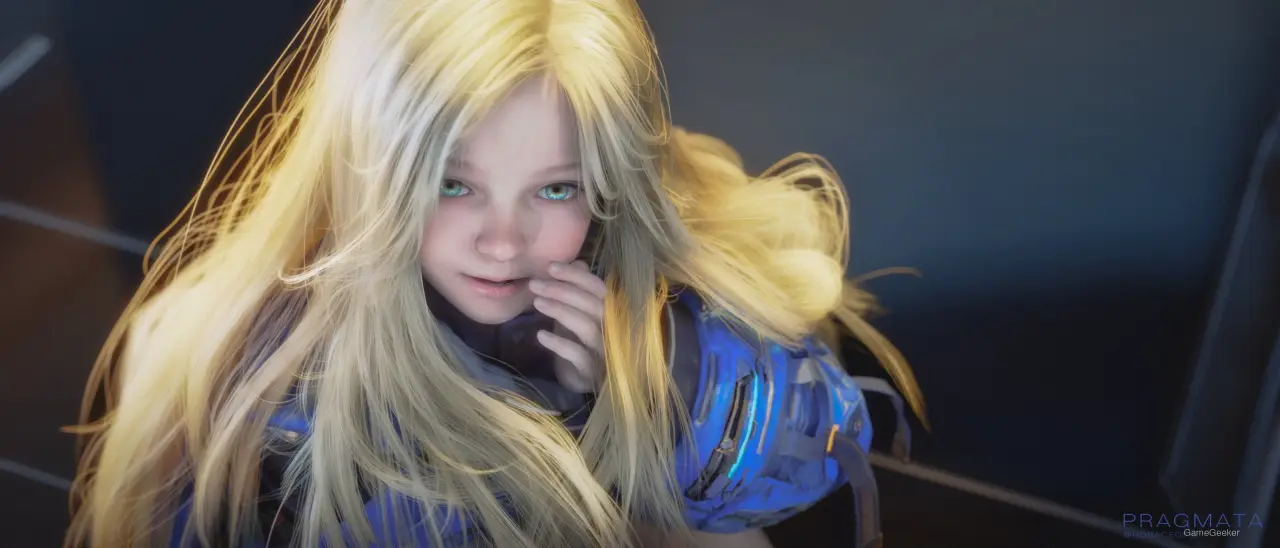
But beyond the visuals, I don’t think this kind of theme is a guaranteed win by nature. The reason it so often produces highly rated games is not because simply “bringing along a daughter” is enough, but because it forces the development team to write characters with greater nuance, make interactions feel more real, and give weight even to the pauses along the journey. If done poorly, all that remains is a functional companion character, like putting a lamp in a room without illuminating any sense of life; if done well, players may even begin imagining what they look like eating, resting, or gazing out the window in a safe zone—and that kind of immersion slowly settles into your body.
If you usually like games with dense storytelling and compelling character relationships, then the list brought up in this wave of discussion is indeed a great place to work through. On the other hand, if you care more about pure system depth, not every game in this category will necessarily hit the mark for you—but those repeatedly proven high-scoring titles are at least worth checking out, if only to see how they turn “taking care of someone” into a long, sprawling adventure. The original article also ended by throwing the question back to players, asking how many of these games they’ve played; in addition, it included information about a giveaway, offering 5 sets of Pragmata Steam activation codes and the Beitong Kunpeng 70 flagship controller, so anyone interested can keep an eye on the relevant information channels. For me, the most moving moments in a game are often not the explosions or the victories, but the moment you suddenly realize that you’ve started sincerely worrying about another character’s tomorrow.




Comentários 0
Queremos saber sua opinião
Participe da discussão e compartilhe sua opinião sobre este jogo.
Ainda não há comentários. Seja o primeiro.