
Notícia
Grab two free PC games before Epic's clock runs out, while Undertale and Divinity: Original Sin 2 are 75% off
Astral Ascent and LUFTRAUSERS are free to keep today, while two of PC gaming's most celebrated RPGs cost less than $14 c
















This move was pretty tough.
Recently, the South Korean government responded to rising desktop and laptop prices with a full combo attack. The reason isn’t complicated: the AI industry has pushed memory demand through the roof, global electronics prices are climbing across the board, and the pressure is most obvious in the PC market. For ordinary gamers and students, this is no small matter. When device prices go up, the barrier to entry gets dragged out like the startup frames before a fighting game move.
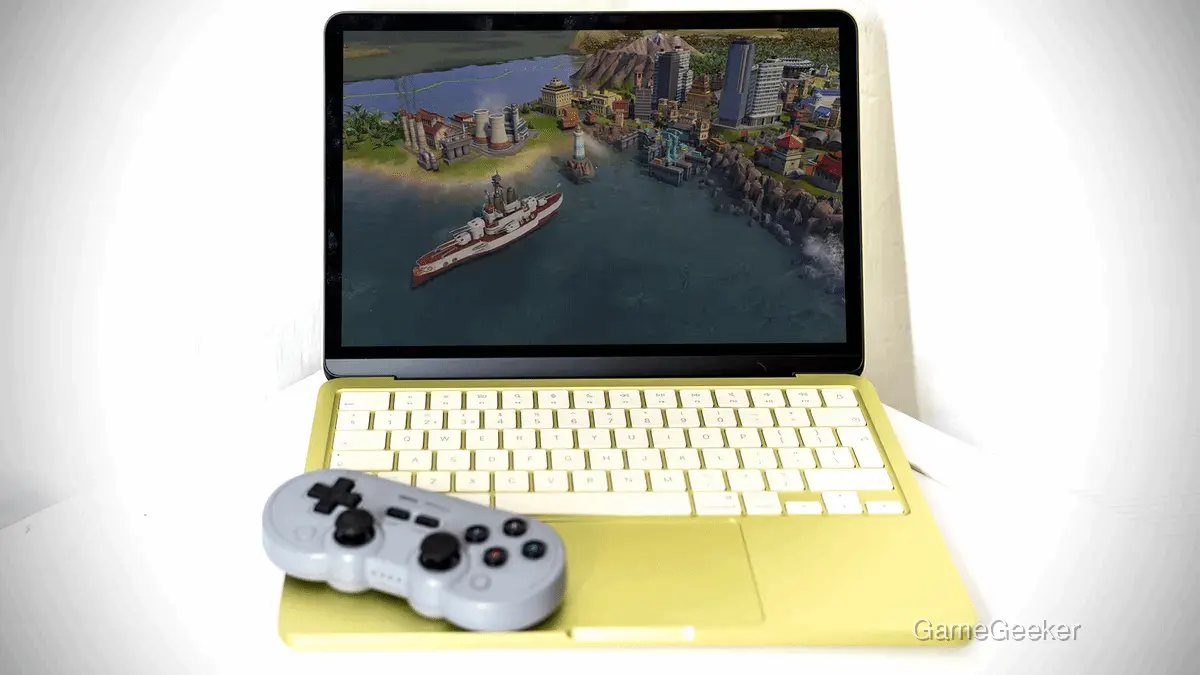
Let’s start with the numbers: this time, it’s not just a feint. South Korea’s computer-related consumer price index rose from 4.3% in October 2025 all the way to 12.4% in March 2026. That kind of increase is no longer a light jab to test the waters—it’s sustained pressure. The South Korean government has also said plainly that it is worried continued rises in computer prices will widen the digital divide even further.
As for the specific measures, the Ministry of Trade, Industry and Energy and the Fair Trade Commission will strengthen monitoring of the memory and finished PC markets. Put simply, they’re keeping a close eye on both core components and complete systems to prevent prices from spiraling out of control or the market from seeing abnormal fluctuations. For the PC market, this kind of oversight may not immediately knock prices back to square one, but it can at least stop the current chaotic swings from getting worse.
On top of that, South Korea isn’t just regulating the market—it’s directly subsidizing devices as well. The government plans to provide free computers to people in need, and students from low-income households will be guaranteed at least 1 device. This is a very practical direction, because for many families, a computer is not an optional upgrade purchase but a basic ticket to schoolwork, research, and internet access.
The most significant figure here is that by the end of 2025, South Korea had already distributed a cumulative total of 4.4 million computers. The original text even used very strong wording, calling this scale “quite rare on a global level.” From a gamer’s perspective, it’s like the developers realizing that newcomers can’t even get into the room, so they hand out entry passes first instead of just standing there shouting slogans.
One last point—and in my view the smartest one—is the reuse of retired devices. South Korea plans to simplify the process for reusing computers phased out by public institutions. Around 80,000 computers reach retirement age every year, and about 22,000 of them are discarded outright. But according to official estimates, in 2025 roughly half of these so-called “retired” devices could still handle basic tasks after some repairs. At present, the reuse rate is only 25%, and the goal is to keep pushing it higher.
This approach is a lot like veteran gamers sorting through second-hand peripherals. Not every old machine can run AAA titles, but for online classes, office work, and basic learning, many are more than enough. For people on tight budgets, that’s far more practical than empty talk about specs.
And there’s another hit on the network side. South Korea also plans to adjust the pricing policies of its three major carriers so that even after users exhaust their data allowances, they will still be guaranteed speeds of at least 400Kbps. This is expected to benefit 7.17 million people, with special attention given to those aged 65 and above. That speed is nowhere near enough for competitive gaming, and even streaming HD video steadily would be difficult, but at least it’s not a complete disconnect. In critical moments, being able to stay online means many essential services remain accessible.
Looking at the broader trend, what South Korea is dealing with this time is not just simple computer price inflation, but how ordinary people can continue to remain in digital society after AI-driven demand pushes up hardware costs. Devices, recycling, and traffic guarantees—these three moves are a combo, not isolated shots. If other markets run into the same problem later, this approach will very likely be studied.
From a gamer’s perspective, my advice is straightforward. If you’re planning to build a PC or replace your laptop anytime soon, keep an eye on memory prices and the timing of complete-system promotions, and don’t chase high prices in the heat of the moment. For light users and students, reused devices that meet basic needs may be perfectly viable—the key is cost performance and maintainability. At the end of the day, what the hardware market fears most is not high prices themselves, but prices that rise without any clear limits while leaving ordinary people with no chance to get in the game.





Comentários 0
Queremos saber sua opinião
Participe da discussão e compartilhe sua opinião sobre este jogo.
Ainda não há comentários. Seja o primeiro.