Has the voice acting in *Ne Zha 2* also fallen? AI voice theft is driving out human actors
·Autor: Sam Torres·newsDetail.views: 2,873 Comentários
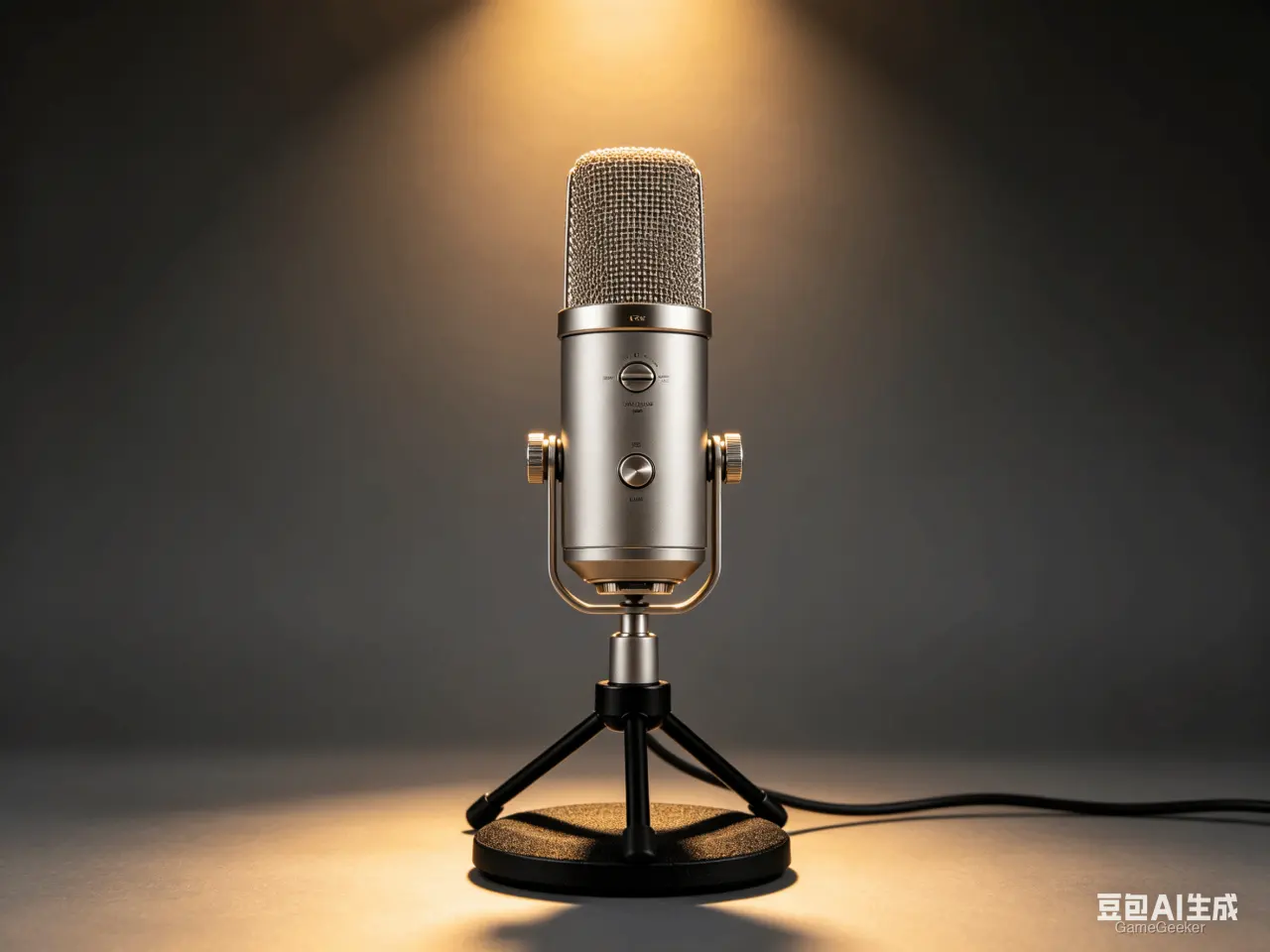
Over the past two days, I’ve seen multiple voice actors speaking out in a concentrated wave, and my first reaction wasn’t “the technology has advanced again,” but that this track is already starting to spiral out of control. Especially after Zhang Jiaming, the voice actor for Taiyi Zhenren in Nezha 2, publicly shared his experience defending his rights, the issue instantly shifted from industry complaints to a survival crisis laid bare. For games and broader entertainment content, voice has never been some optional accessory; it is tightly bound to character recognition, emotional impact, and commercial value.\n\n\n\nZhang Jiaming mentioned that since the end of last year, his voice has been widely misappropriated, with the hardest-hit being the classic voiceprint of Taiyi Zhenren. According to his count, more than 700 infringement cases were discovered in a single day alone. This is no longer a matter of isolated edge cases, but something close to mass replication and assembly-line distribution. An even harsher blow has come on the commercial side: some partners have already ended their collaborations because the market is flooded with similar AI-generated voices that can be used for free, directly resulting in the cancellation of 3 commercial deals.\n\nThis looks strikingly like the script of “dimensionality reduction replacement” in competitive sports: it’s not that you performed poorly, but that someone used an almost zero-cost method to replicate your most valuable ability, then drove down the entire market price. What voice actors sell is not just a single line of dialogue, but years of trained vocal control, character understanding, and emotional explosiveness. If all of that can be scraped, trained on, and deployed without authorization, the industry’s pricing system will inevitably collapse first.\n\nChina Media Group recently also produced a special program exposing the problem of AI voice theft, and the judgment from cybersecurity experts was blunt: "With just 1 second of a person’s audio, their voice can be easily ‘cloned.’" What makes this frightening is not only that actors are losing jobs, but that ordinary people may also be dragged into it. Once a voice is abused, it can easily end up being used in illegal scenarios such as blackmail, romance scams, and financial fraud. The risk has already escalated from a copyright dispute to a matter of public safety.\n\nBased on the information currently available, the hardest part of defending one’s rights is not “whether infringement exists,” but “how to pursue accountability efficiently.” Zhang Jiaming said he has already invested substantial funds in collecting evidence and launching rights protection efforts, but many of the infringing parties are minors, creating real obstacles to accountability, and so far not a single lawsuit has succeeded. On top of that, more than half of industry practitioners have experienced their voices being cloned. Clearly, relying on individuals to tough it out alone is not enough to withstand this kind of high-frequency, decentralized, low-cost infringement model.\n\nSo in my view, what will truly determine how this unfolds next is not whether a particular actor can win a lawsuit, but whether platforms and regulations can step in immediately to fill the gap. The report has already pointed to the direction: all AI-generated voice content should carry both visible and invisible labels and embedded digital watermarks; platforms need to open dedicated complaint channels for voice infringement; and developers must also establish ethical review mechanisms. Legal experts have proposed that industry organizations take the lead in class-action lawsuits, and that punitive damages be applied to malicious infringement and conduct causing serious negative impact. That sounds like the kind of approach that could genuinely raise the cost of breaking the law.\n\nFrom the perspective of players and content consumers, I also want to add one thing: in the future, when you come across character voiceovers, short-video remixes, or joke audio clips that sound “suspiciously familiar,” it’s best to stay alert. Because today, it’s the voice of a Nezha 2 actor being copied; tomorrow, it could be an ordinary person’s voice message being spliced and exploited. Technology can accelerate, but the industry cannot charge into a turn with no one hitting the brakes. Otherwise, the first thing to lose control is often not the machine, but trust.
Comentários 0
Queremos saber sua opinião
GFixado
GameGeeker
Participe da discussão e compartilhe sua opinião sobre este jogo.





















Comentários 0
Queremos saber sua opinião
Participe da discussão e compartilhe sua opinião sobre este jogo.
Ainda não há comentários. Seja o primeiro.