

DLC全軍破敵:戰鎚 III - 巴希瓦 – 角色包HK$ 38.00→價格來源: Steam
 KinguinTotal War: WARHAMMER II - The Prophet & The Warlock DLC PC Steam CD Key目前地區是否可用,請進入商店查看。
 GAMIVOTotal War: Warhammer II - The Prophet and The Warlock DLC Global目前地區是否可用,請進入商店查看。起≈ HK$51.57(€5.65)去購買
 K4GTotal War: WARHAMMER II - The Prophet & The Warlock RoW Steam CD Key目前地區是否可用,請進入商店查看。
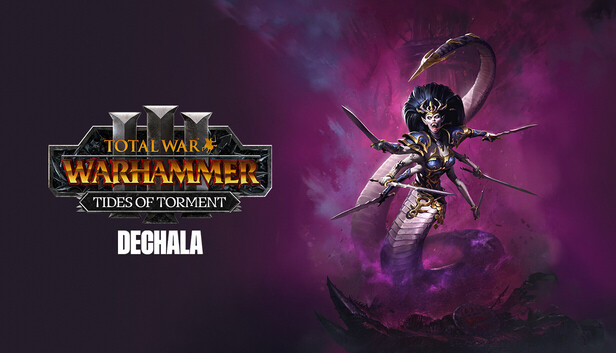
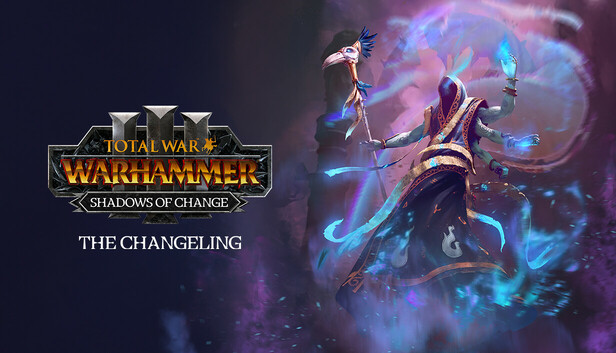
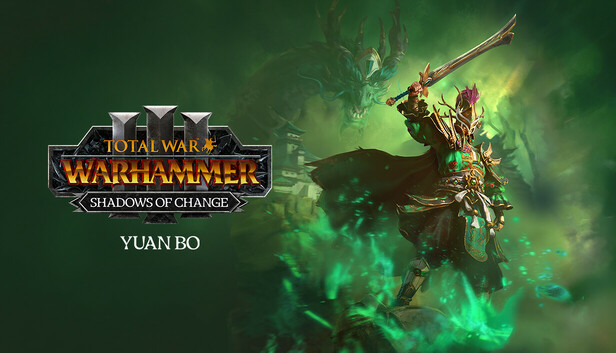
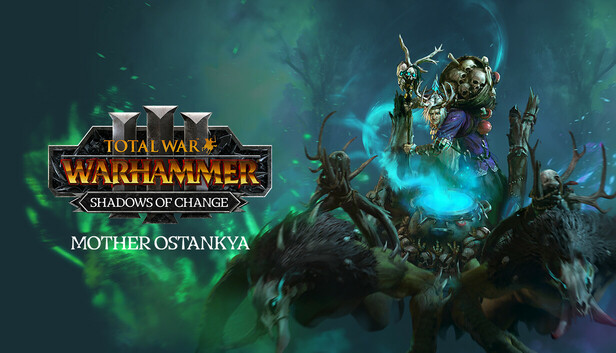
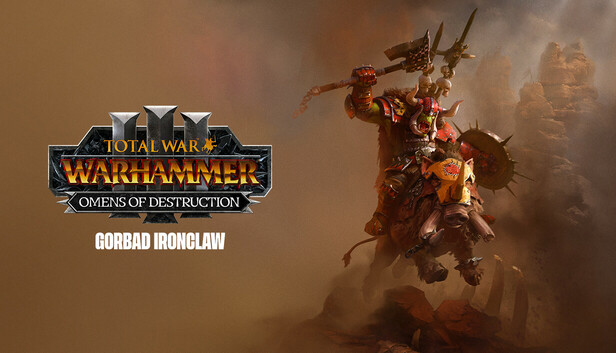
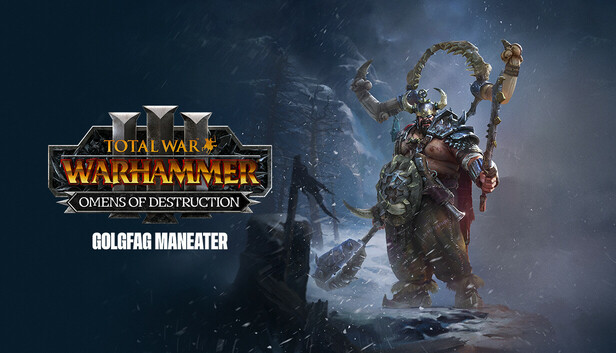
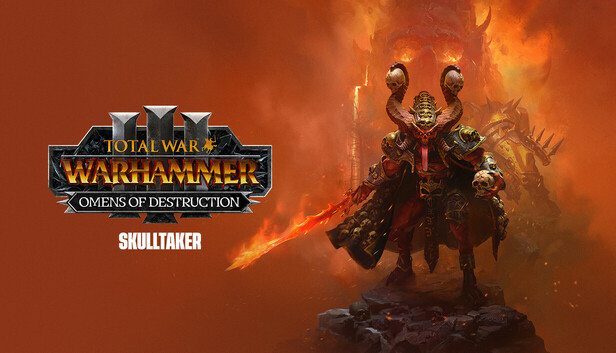
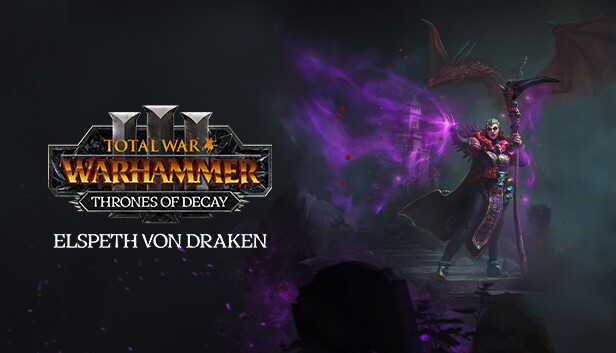


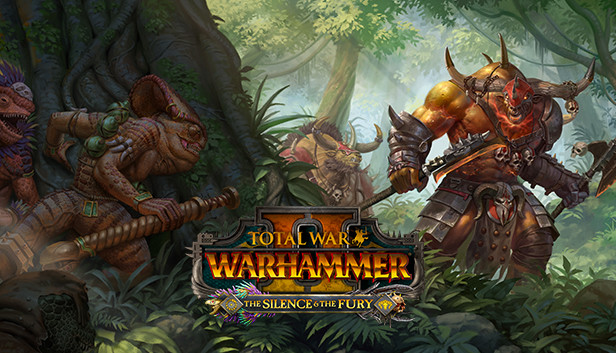
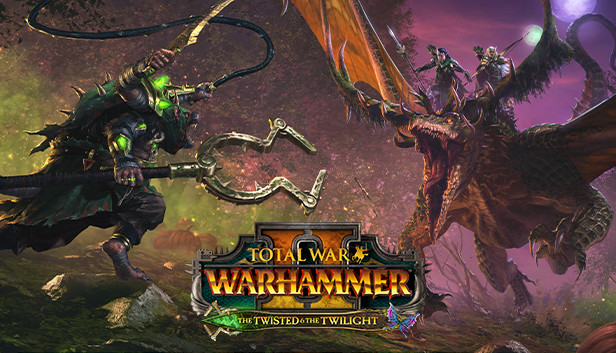
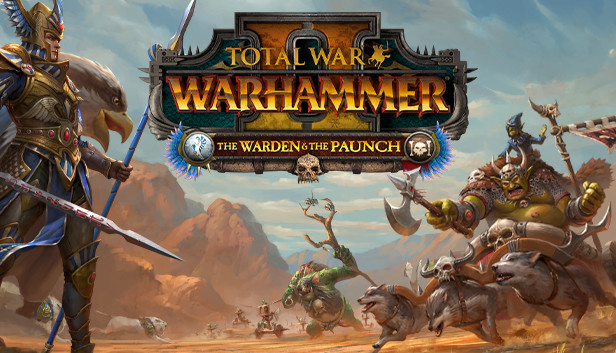
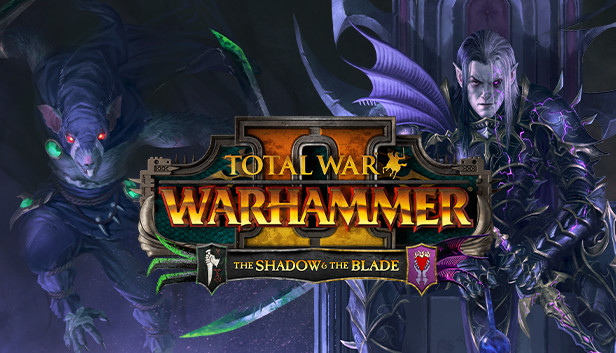

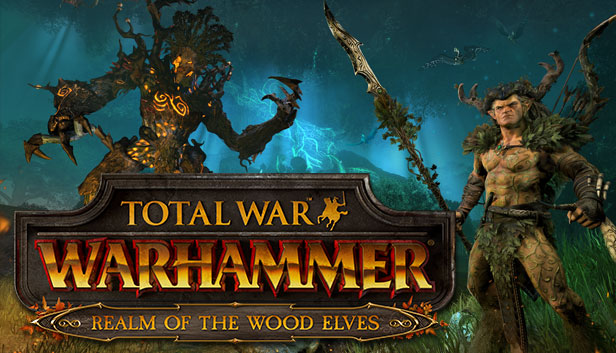
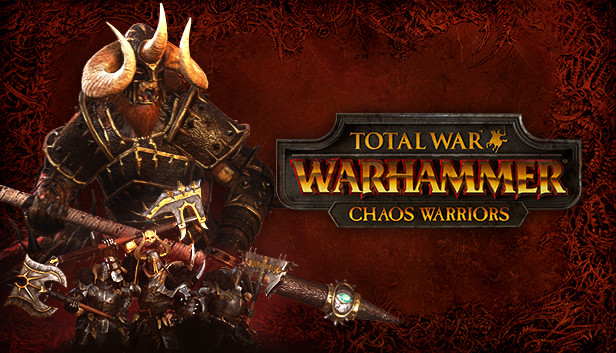
“Immortal Empires unites 80+ races, canonizes Grand Cathay, and runs 5000-unit real-time tactics — the Warhammer trilogy's peak finale”
Warhammer III occupies a singular position in strategy-game history. It's not a mass phenomenon like Minecraft, and it's not a turn-based 4X benchmark like the Civilization series. What it is, instead, is a hardcore strategy product focused on "epic fantasy plus large-scale real-time tactics plus deep strategic simulation." As Creative Assembly's Warhammer trilogy finale, it carries the responsibility of completing the epic-fantasy strategy mission that started in 2016. From Warhammer 1 through Warhammer 3, six years of development with cumulative sales over 5 million copies makes this Creative Assembly's most successful series ever.
Holding 80% positive across 98,000 Steam reviews — for a product that weathered both a launch gameplay controversy and a DLC pricing controversy — is genuinely stable data. The August 2022 Immortal Empires free release pulled reception from Mixed back to Very Positive, August 2023's Shadows of Change pricing pulled it back to Mixed, and the 2024-2025 DLC content uplift gradually restored community sentiment to Very Positive. That "roller-coaster" evaluation pattern is Warhammer III's defining trait, and it reflects Creative Assembly's exploratory difficulties on the DLC business model side.
On awards, Warhammer III pulled in the 2022 TGA Best Strategy Game nomination, PC Gamer 2022 Strategy Game of the Year, Strategy Gamer Immortal Empires Content of the Year, and Chinese-region ChinaJoy 2022 Most Anticipated Game. It's the representative work for 2022 strategy gaming.
Held against peers: Warhammer 1 and 2 are prior entries, now merged into Immortal Empires; Three Kingdoms is the Chinese-themed Total War title but content updates have ended; Rome 2 is a classic but with simplified mechanics; Stellaris leans space 4X in a different category; Hearts of Iron 4 leans military simulation; Civilization VI is turn-based 4X. Warhammer III has no true substitute in the epic-fantasy strategy lane — that "owned lane" positioning is the most valuable asset accumulated across 12 years of strategy-game development.
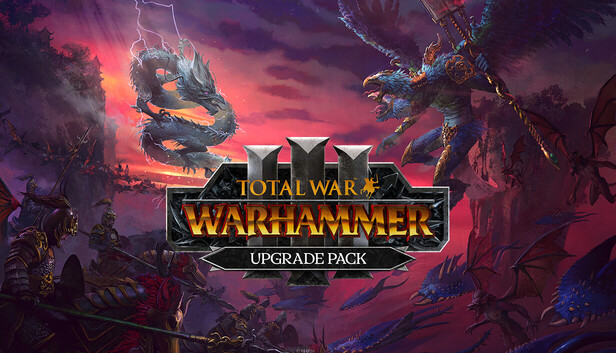
The target audience profile is clean: hardcore strategy players who want epic fantasy combined with large-scale real-time tactics and deep strategic simulation. If you've played any Total War entry before, or if you have any interest in the Warhammer fantasy universe, or if you're willing to invest 100+ hours learning a strategy game, Warhammer III is close to a default pickup. For Chinese players, Grand Cathay's addition gives the game an extra sense of belonging — the Storm Dragon Miao Ying, Iron Dragon Zhao Ming, and Jade Dragon Yuan Bo defending the Great Wall against northern Chaos has become a canonical experience for Chinese strategy player communities.
The reverse profile is just as clean. DLC-price-sensitive casual players will bounce off the base-plus-six-DLCs total investment. Players seeking simple turn-based onboarding will struggle with the complexity of 5000-unit real-time tactics battles. Total War newcomers face a 10-20 hour learning curve on the world-map strategic layer alone. For players completely unfamiliar with the Warhammer universe, eight races with twelve Legendary Lords' worth of racial mechanics will feel overwhelming. One more group worth flagging: players new to Total War altogether should start with Grand Cathay. Grand Cathay's defense-plus-economy-plus-balance design is intuitively legible, the Great Wall defense mechanic keeps newcomers from early-game collapse, and combined with official simplified Chinese support and Bilibili creators' extensive Grand Cathay guide content, this is the optimal onboarding path for Chinese-region newcomers. Jumping straight into Khorne or the Daemon Prince campaign — those will absolutely punish you for the first 20 hours with complex mechanics.
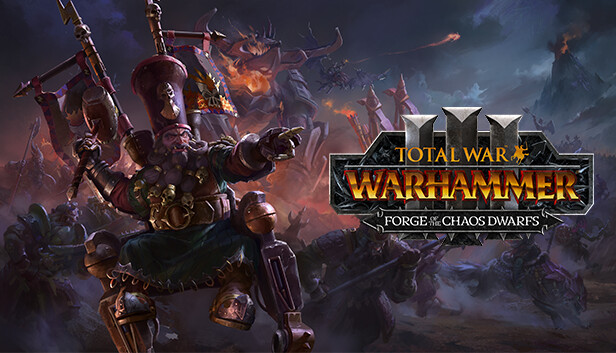
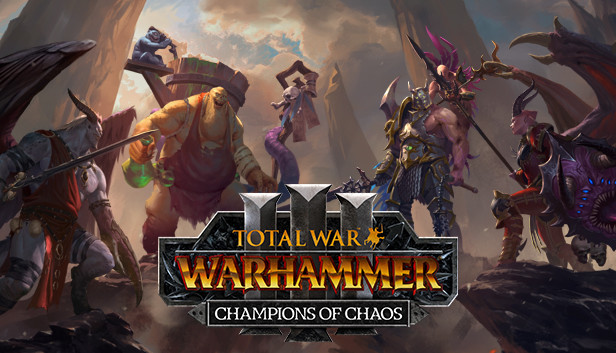
The 2026 buying path: base game (required), plus Immortal Empires (free, included), plus Forge of the Chaos Dwarfs (strongly recommended, new race), plus Thrones of Decay (strongly recommended, three established races expansion), plus Champions of Chaos (recommended), plus Omens of Destruction (recommended), plus Tides of Torment (recommended, price pulled back to reasonable level), plus Shadows of Change (optional, controversial value proposition relative to other DLCs). With routine 50% Steam discounts in the Chinese region, the full DLC bundle runs about ¥600. That's strategy gaming's highest "series total investment" but with per-hour value still in the upper tier.
Replaceability comes back to the angle: Immortal Empires uniting 80+ races, Grand Cathay's first canonization, and 5000 units on a single battlefield — that triple stack hasn't been substituted. Three Kingdoms has stopped content updates; Civilization VI is turn-based and in a different category; Stellaris leans space 4X; Hearts of Iron 4 leans military simulation. Warhammer III remains the only epic-fantasy strategy benchmark in 2026. Even with the Shadows of Change pricing controversy and launch gameplay controversies, its core experience has no real substitute. For hardcore strategy players, this remains the unavoidable 2026 purchase.
留言 0
期待聽到你的聲音
歡迎來到評論區!說說你對這款遊戲的看法,第一個發言說不定有驚喜~
還沒有留言,來發表第一則吧!