

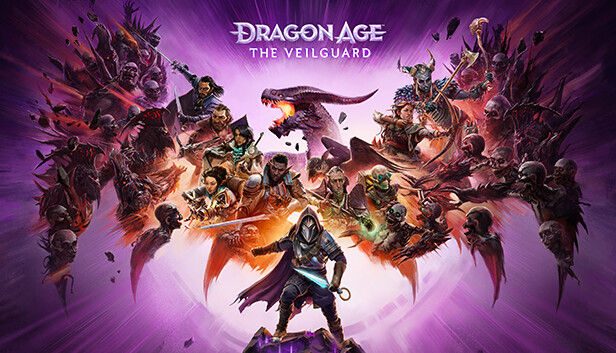
闇龍紀元™: 紗障守護者

闇龍紀元™: 紗障守護者

洛可與七名同伴迎戰掙脫封印的神祇,遊戲魅力在於單人冒險和團隊成員各自的故事。《闇龍紀元™: 紗障守護者》在GAMIVO售價≈ HK$62.04,是此優惠追蹤到的最低價格。41,600則評論中67%%為好評,可供參考;是否適合你,還得看你是否想玩以同伴故事為核心的單人角色扮演冒險。 相比 Steam 節省≈ HK$406.96,GAMIVO的≈ HK$62.04低於 Steam 目前價格HK$469.00。

正在取得全網報價
67%Steam 玩家評分4.2萬 則評價76Metacritic/10080OpenCritic/100
發售日期: Oct 31, 2024
LGBTQ+ · Fantasy · Singleplayer · RPG · Action RPG
Dragon Age: The Veilguard - EN Global·平台:Steam·-87%起~ HK$62.04(~ €7.05)史低比 Steam 省 HK$406.96去購買
Dragon Age: The Veilguard PC (EA App)·平台:EA App·~ HK$525.61-68%起~ HK$169.40(~ $21.59)去購買
Dragon Age™: The Veilguard (PC) EA App Key GLOBAL·平台:EA App·-59%起~ HK$190.27(~ $24.25)去購買
·平台:Steam·香港 Steam 官方價~ HK$469.00去購買
·平台:Epic·~ HK$470.69(~ $59.99)去購買
·平台:EA App·~ HK$470.69(~ $59.99)去購買
Dragon Age: The Veilguard Steam Altergift·平台:Steam·起~ HK$565.68(~ €64.28)去購買
Dragon Age: The Veilguard РФ+СНГ+ВЕСЬ МИР EA App КЛЮЧ·平台:EA App·~ RUB 2,544.31Credit/Debit Card去購買
史低 ~ HK$141.15含 Steam 及第三方通路目前價格處於歷史最低水準
正在取得全網報價
心願價
設定後,所選地區的可用報價達到或低於心願價時,會寄送電子郵件提醒。

價格歷史

近 36 個月 · 資料每日更新
全網低價紀錄~ HK$141.152026-06目前全網低價~ HK$470.69Steam距低價紀錄+233%
~ HK$220.01~ HK$312.98~ HK$405.96~ HK$498.9325-1126-0226-0526-0826-11~ HK$141.15

價格涵蓋 Steam 官方與 39 家授權商店,僅統計正規通路報價。曲線按週呈現近 36 個月的全網低價與 Steam 官方價。

歷史價格以美元記錄,圖中金額按 2026-11-02 歐洲央行匯率換算為 HKD,僅供參考;實際結算金額以商店頁面為準。

01關於闇龍紀元™: 紗障守護者

在《闇龍紀元™: 紗障守護者》中,你將扮演洛可,帶領七名同伴穿越塞達斯,阻止兩位掙脫封印的神祇。探索奇幻地點,與惡魔和巨龍戰鬥,並透過職業技能與同伴行動塑造戰鬥風格。 Steam 玩家好評率為67%%,共41,600則評論。 Steam PC 版是單人角色扮演遊戲,完整支援控制器。 英文提供完整語音。

製作團隊

作曲
漢斯·季默 · 羅恩·巴夫
開發
BioWare
發行
Electronic Arts

Steam 玩家評論

67%好評褒貶不一41,600 Steam 評論

近 36 個月記錄最低價

≈ HK$141.152026-06-18 · Steam基本遊戲 · 與上方圖表記錄相同;美元價格歷史,並非區域 Steam 最低價。

語言支援

語言介面字幕音訊
簡體中文是是—
繁體中文是是—
英語是是是
再顯示 9 種語言
語言介面字幕音訊
法語是是是
義大利語是是—
德語是是是
西班牙語是是—
日語是是—
韓語是是—
波蘭語是是—
巴西葡語是是—
俄語是是—

Steam PC 版資料 · 2026-11-03

02購買前

模式與控制器

Steam PC 版是單人角色扮演遊戲,完整支援控制器。

語言

英文提供完整語音;介面支援英語、德語、法語、義大利語、西班牙語、日語、波蘭語、葡萄牙語、俄語、韓語、簡體中文和繁體中文。

03常見問題

有幾名同伴?

洛可將帶領七名同伴,每人都有自己的故事和能力。

有哪些職業可以選?

可選戰士、法師或俠盜,每個職業有兩種武器類型。

選擇會影響同伴嗎?

會。同伴故事中的選擇會影響他們的發展。

8.0
綜合評分
外部評分67%Steam 玩家評分4.2萬 則評價76Metacritic/10080OpenCritic/100
畫面
9
音效
8.5
玩法
8.5
劇情
6
內容
8

“Looking for an action-fantasy RPG that looks gorgeous, carries a marquee score, and plays smooth — and you're not lugging a decade of series baggage? This one fits. But if you came for the pause-and-command, grimdark CRPG of Origins, brace yourself first.”

評測總結

Eighty from the critics, sixty-eight from the players — a rare fracture

Critic versus player reception

Lay the numbers on the table. Veilguard sits at 84 on Metacritic and an 80 top-critic average on OpenCritic, level with Inquisition's 84 — the press handed it a "solid mainline sequel." Cross over to the players and Steam's long-run rating is just 68 percent, tagged Mixed. That fracture between critics and community is the most telling thing about the game, and even EA eventually filed it under commercial disappointment.

Why the split? Because the critics were grading "is this game well made" — combat, visuals, score, signposting, all of it on point — while the veterans were measuring "is this still the Dragon Age I knew." Pause-tactics gone, the grimdark dialed down, choices hollowed out, the lore only ever skimmed. One game, two different rulers, two different scores.

It is a competent action RPG and not necessarily a competent Dragon Age sequel, and both of those can be true at once. The series chased a wider, smoother, more action-forward audience, and it caught them — at a cost the old guard tallied very differently. The commercial shortfall that followed, and the studio turbulence after it, is the kind of outcome that happens when a sequel wins the review average but loses the fanbase's sense of ownership.

Who falls for it, and who should brace first

Audience fit analysis

So should you buy it? Depends who you are. If you want a third-person action-fantasy RPG that looks gorgeous, carries a marquee score, and plays smooth — and you aren't hauling a decade of franchise baggage — this is a fine pick. Seven character threads will hold you across thirty or forty hours, and newcomers in particular tend to be won over by the sheer level of finish. Its official companion podcast, Vows & Vengeance, even took a Best Audio award at the Tribeca Festival; the production values are no bluff.

But if you came for the grimdark CRPG of Origins — the pause-and-command strategy, the heavy moral choices, the dense worldbuilding — then take the warning early: the game walked away from all of that, and it is not the entry built for you. In the end it reshapes a veteran strategy RPG into the smoothest-playing action adventure the series has made, splitting hard from Inquisition's open-world path. That direction is a delight for the newcomer and a bittersweet pill for the faithful. Settle which one you are before you check out, and your experience won't end up pointed in the wrong direction. Go in expecting a sleek modern action RPG with a great-looking world and a film-grade score, and you will likely come away happy; go in expecting Origins reborn, and the disappointment is baked in before the title screen. The game is exactly what it set out to be — the trouble was only ever that not everyone wanted that thing.

Its place in the series — a bet on direction that won the press and lost the faithful

Place in the series

Pull back to the whole of Dragon Age and Veilguard is destined to be its most divisive entry — not because it's bad, but because it pivoted so completely. From Origins in 2009 to Inquisition in 2014, the series kept oscillating between strategy RPG and action, and this time it simply strode all the way to the action end and pulled the pause button out by the roots. That was a bet on direction: a wager that the new audience outnumbers the old one, that slickness sells harder than depth.

The bet half paid off. Critics endorsed the finish, and the 84 on Metacritic is real validation; but a sizable chunk of the diehards a decade of games had built up didn't follow, and the 68 percent Steam rating and EA's own "commercial disappointment" are the bill for the turn. It ends up an instructive case: a sequel that's genuinely well made on its own terms yet reads as a rebellion when slotted back into the series' lineage. Looked at years from now, it will likely be remembered as the boldest — and most fracturing — turning point Dragon Age ever took.

展開閱讀完整評測